

Leave your details and our team will get in touch.
Request a call back
Croydon Sump Pump Systems & Services
Protect your basement before water reaches the floor.
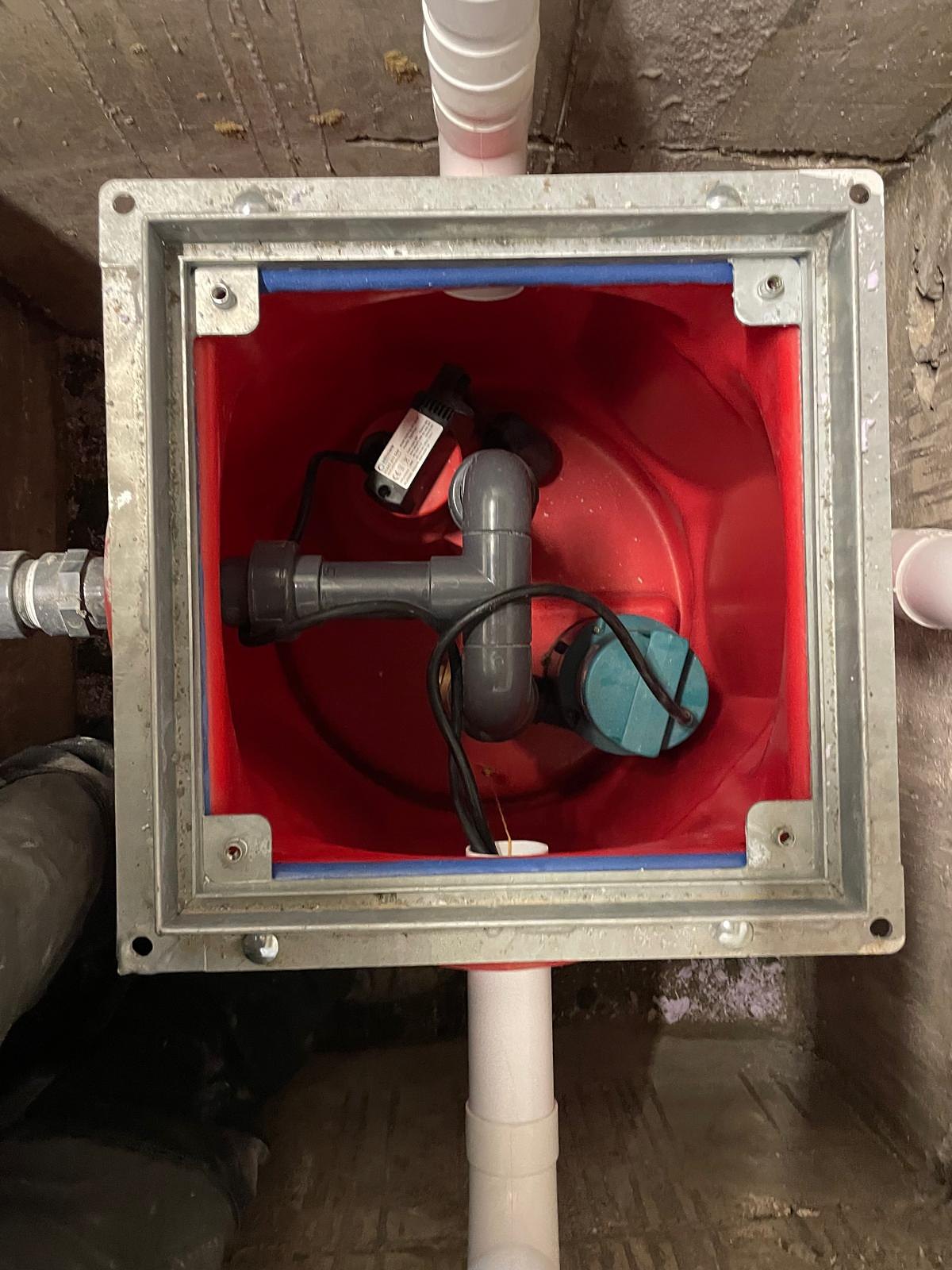
A professional sump pump installation is a cost-effective way to protect a basement from flooding. As groundwater or rainwater rises beneath the floor, it enters a sump chamber. The pump then automatically sends it outside the building before it floods the floor or damages stored belongings.
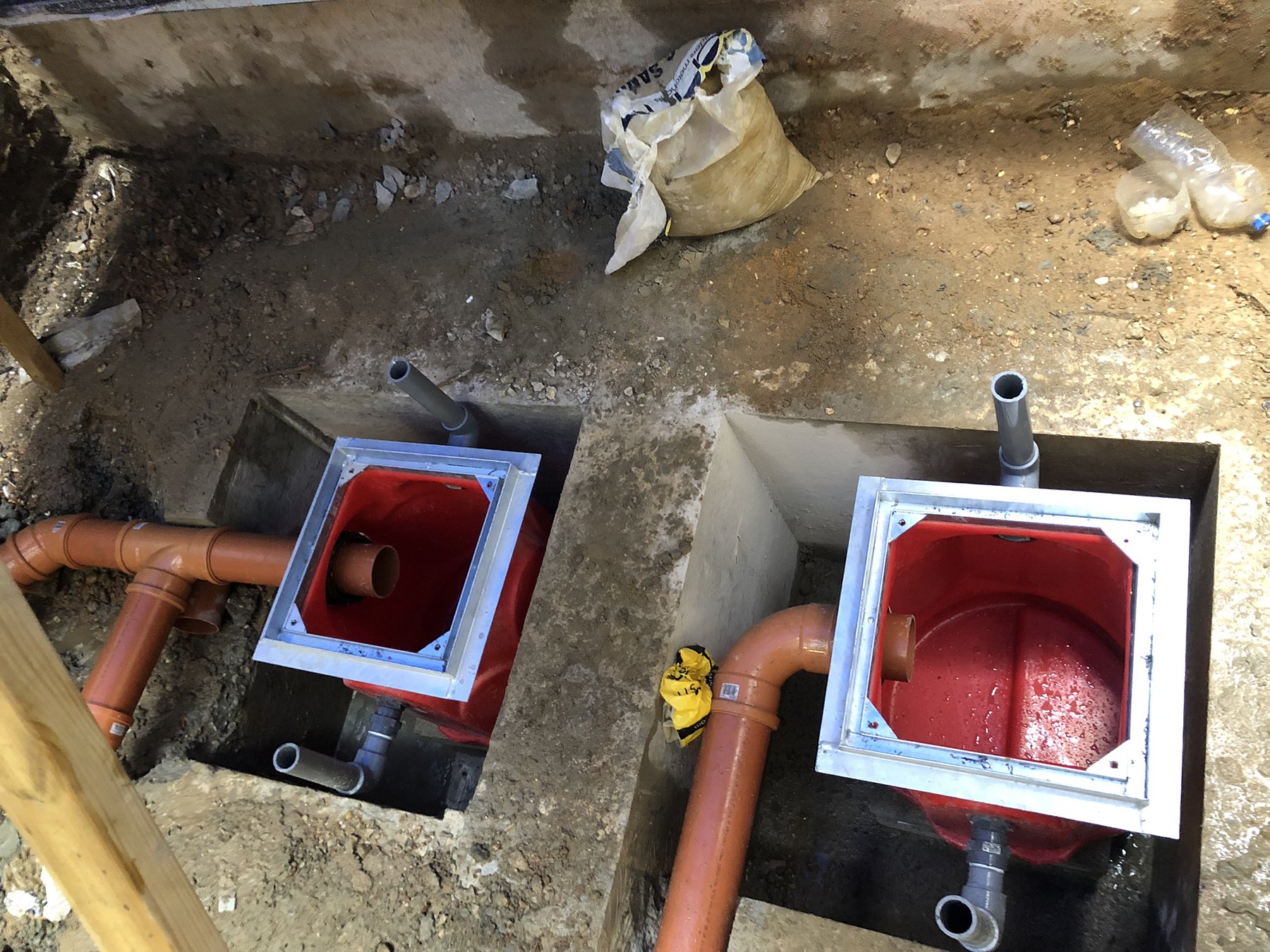
For homes and commercial properties in Croydon CR0, Crystal Damp Proofing & Basements Ltd designs, installs and services sump pump systems, from a single pump to twin pumps with battery back-up.
Signs your basement needs a pump
Water rarely arrives without warning. Call us if you notice:
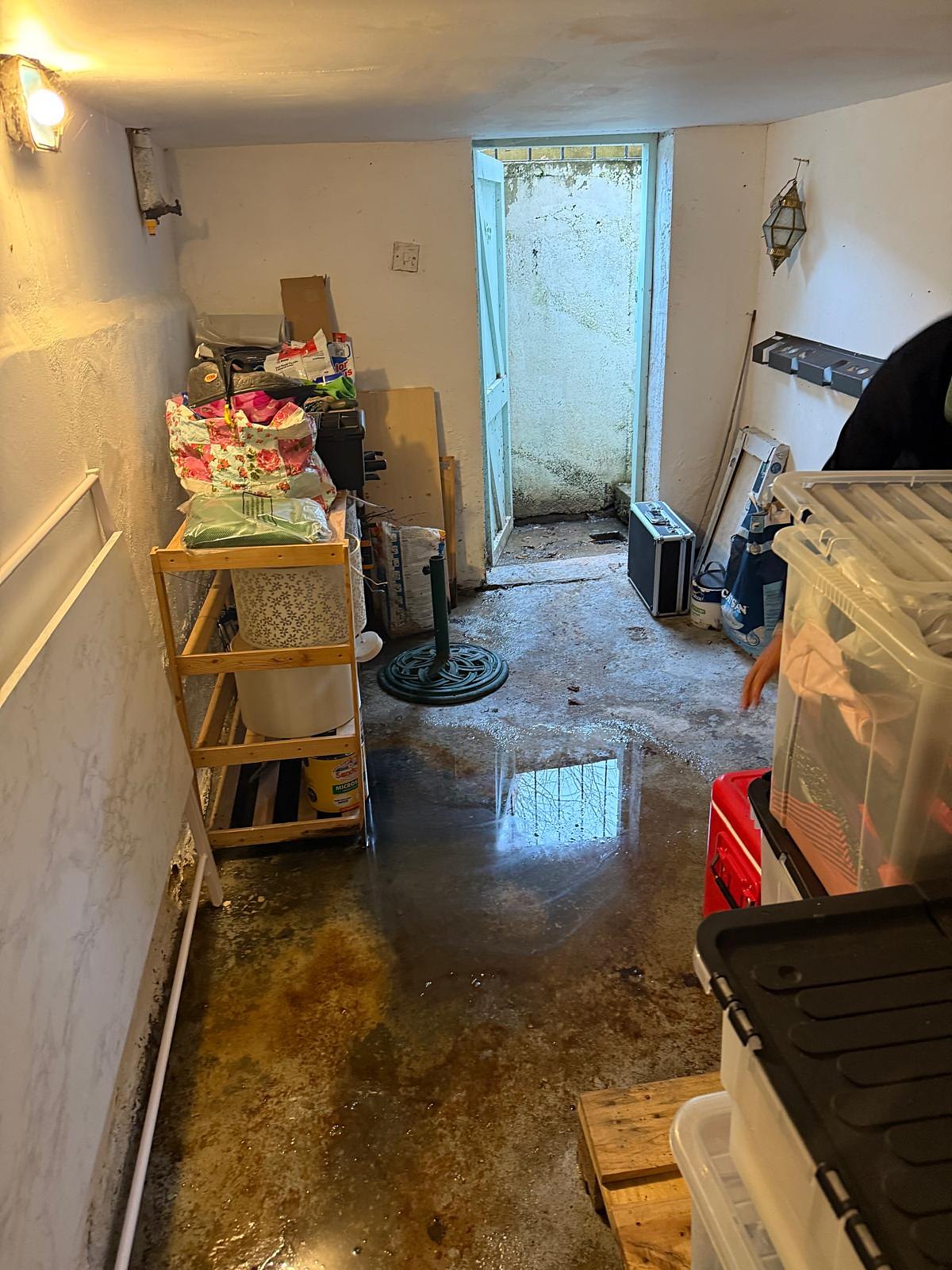
- Standing water on the floor after heavy or prolonged rain.
- Tide marks where the walls meet the floor.
- A damp, musty smell that ventilation does not shift.
- Wet walls that darken after every storm.
- Plans to convert a basement that has flooded before.
Is installing a sump pump worthwhile?
Yes. A sump pump removes water before it builds up and floods the basement, though it cannot prevent water coming through the walls. If you plan to use the basement as a living space, gym, fitness room or office, the pump alone will not be enough: it needs to work alongside proper waterproofing.
Has your basement flooded after rain?
Water left standing on the basement floor after rain may mean groundwater has risen above floor level, or rainwater cannot soak away quickly enough and is entering the building. Placing an automatic pump in a sump chamber at the basement’s lowest point is the quickest and most effective way to prevent the floor flooding again. For immediate guidance, see what to do if your cellar has flooded.
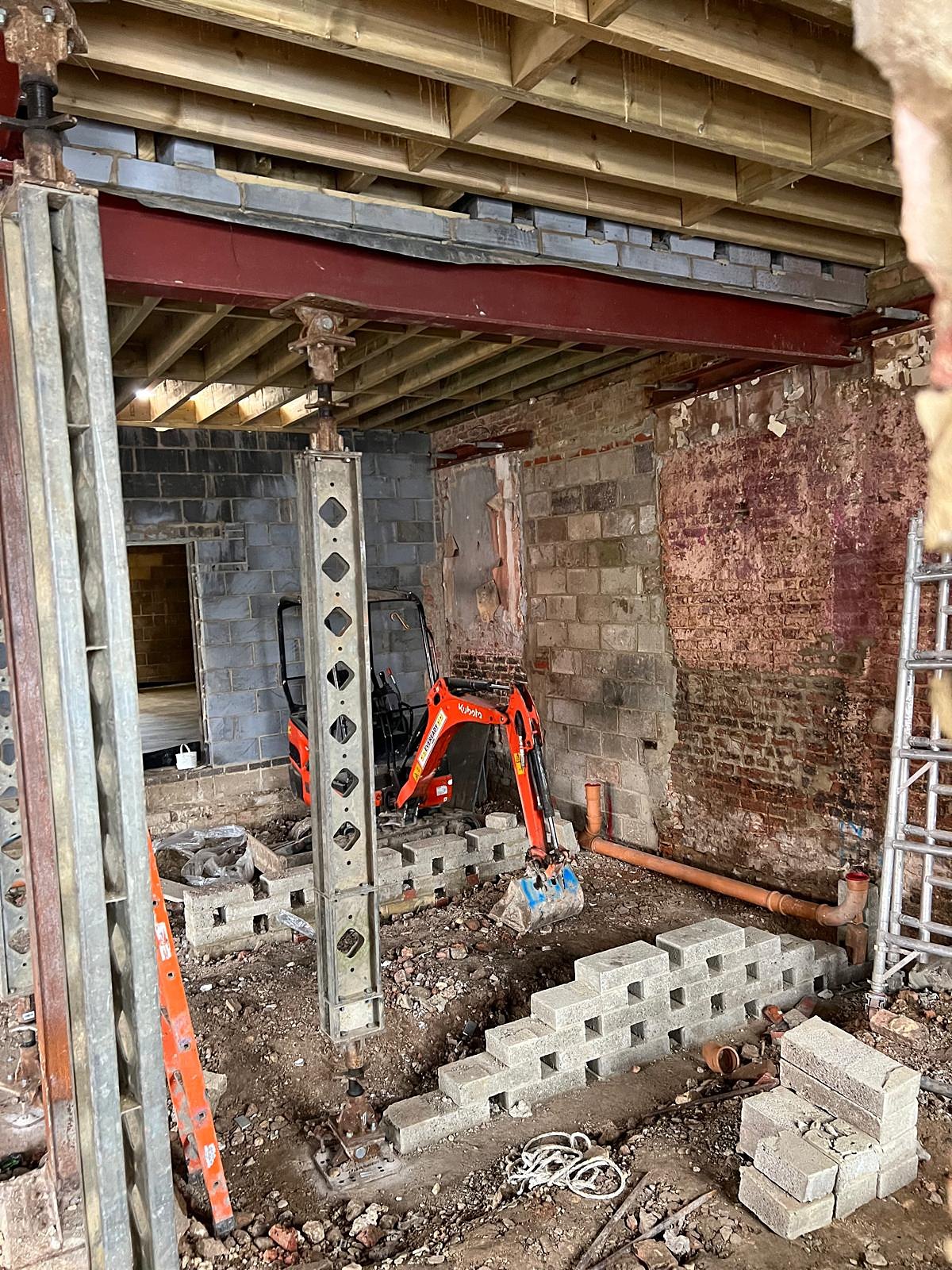
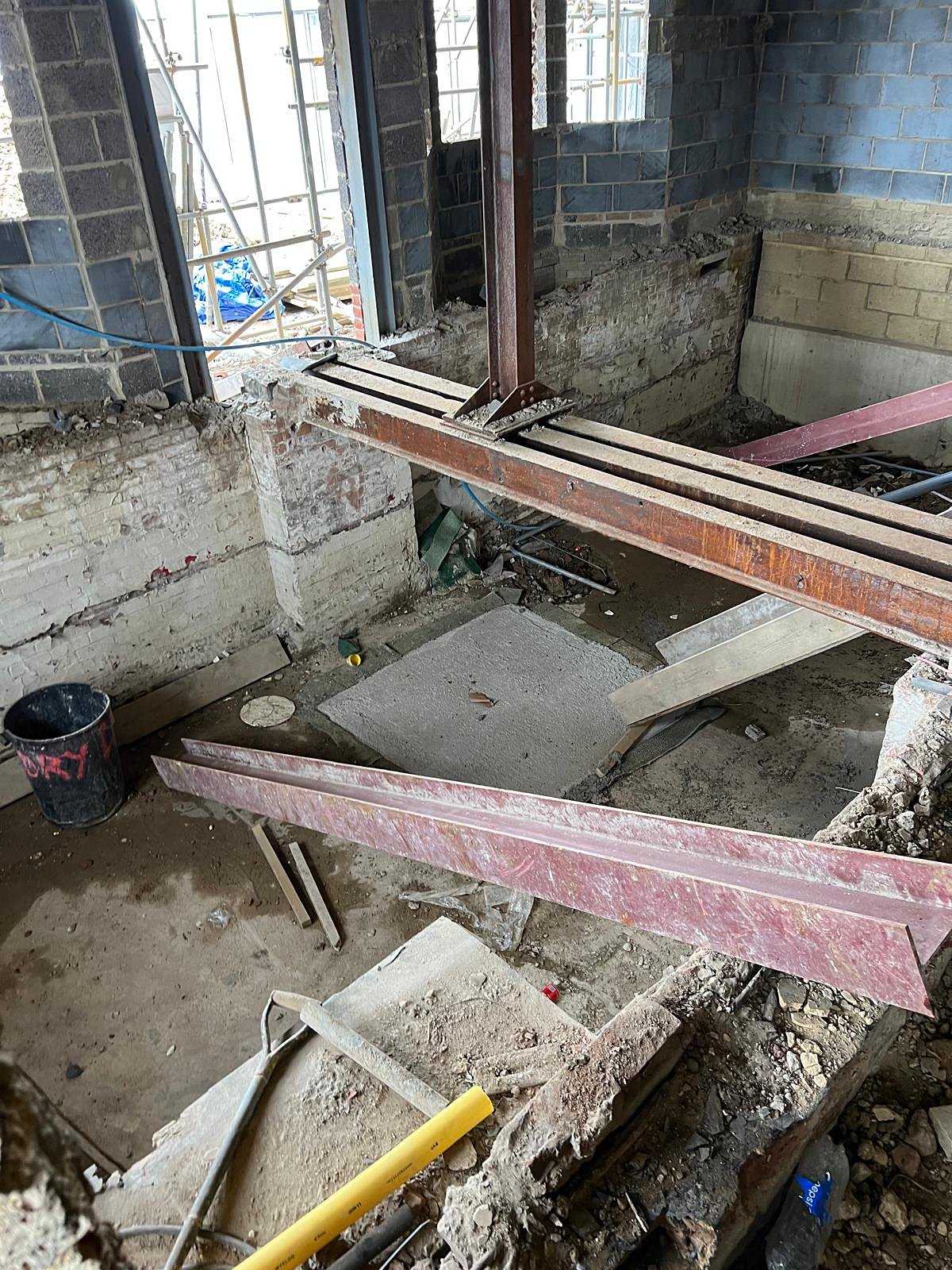
Projects we have worked on
Before you convert your basement
Damp smell and repeated flooding: do you need a pump and a membrane?
A complete waterproofing system is essential when a planned basement conversion has active leaks or floods repeatedly. Otherwise, water will soon ruin the new walls and floors, and harmful mould will grow in the room.
A persistent damp smell signals that water and vapour are entering the walls, raising humidity and leaving moisture in the pores of brick or concrete. In a basement subject to repeated flooding, high groundwater pressure can push internally applied rigid tanking (Type A) off the wall if used alone. In these conditions, we recommend a cavity drain membrane together with a sump pump.
For converted basements, drained protection is the most effective solution: Type C waterproofing under BS 8102. Rather than forcing water to stay outside, the system manages it, collects it safely and removes it from the building.
Waterproofing with a Type C system
How the pump and cavity drain membrane work together
The sump pump and cavity drain membrane form a single mechanism, directing incoming water along a controlled route out of the building rather than trying to hold it back.
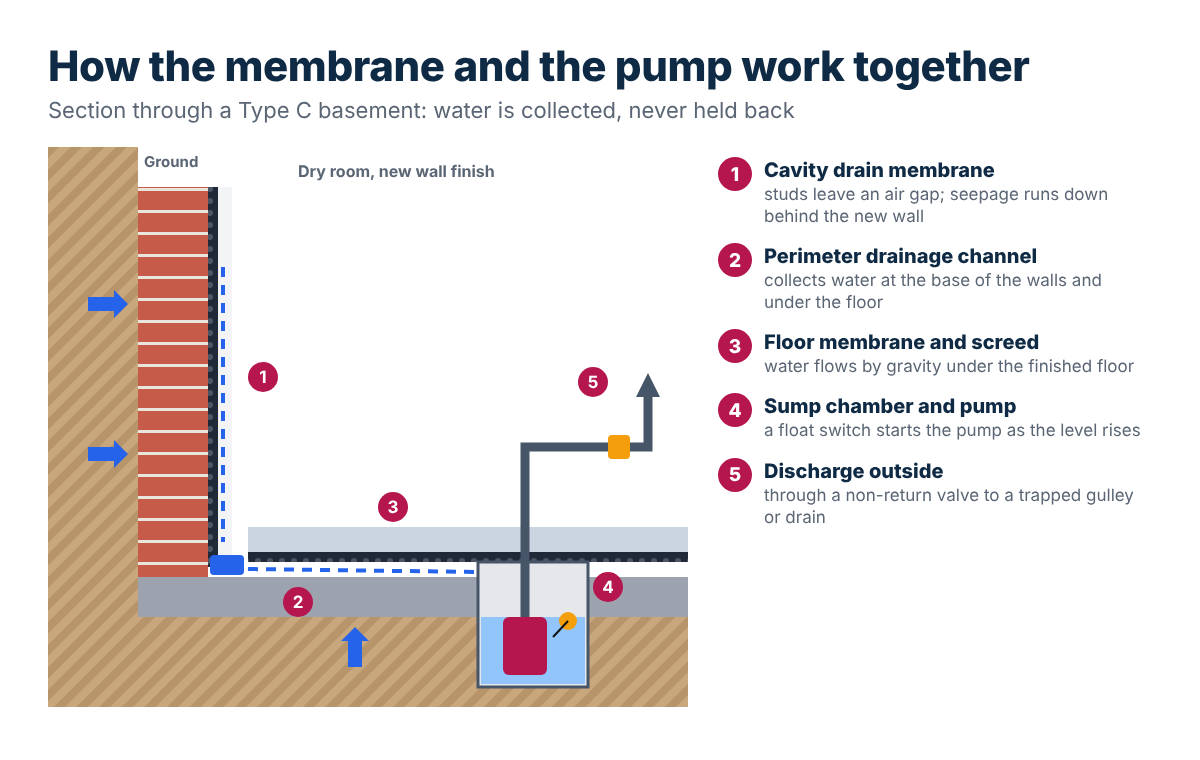
The result: working together, the membrane, drainage and pump remove water before it evaporates into the room. The basement stays completely dry and the musty smell disappears. Learn more about the cavity drain membrane.
Dealing with wet walls
Walls wet after rain: why membranes need pumps
Walls that become wet indicate water pressing against the building from the surrounding ground. A drainage membrane is not a waterproof layer on its own; keeping the walls dry calls for a complete system.
Working from outside
If excavation around the foundations is possible:
- Vertical waterproofing: we apply suitable vertical waterproofing, such as a thick bituminous coating.
- Protection: a studded membrane shields the coating as the excavated ground is backfilled.
- Perimeter drainage: pipes along the foundation base gather water from the walls and lead it to the sump; the pump discharges it away from the house.
Working from inside
If excavation cannot be carried out:
- Type C membrane: a cavity drain membrane is fitted to the interior walls and floor.
- Drainage channels: channels at the perimeter gather water flowing behind the membrane.
- Sump and pump: water follows the channels into the sump, then the pump discharges it outside.
Basements designed for everyday use
A habitable basement needs waterproofing and a pump
For a basement used as a gym, office or entertainment room, pumps and waterproofing must work together. If the walls are not waterproofed, they remain damp even when the pump runs continuously. Harmful mould and fungi can then grow, and plaster can come away.
From initial design to the finished space
How we manage the work from design to finish
Our complete service takes the project from design through to the finished room, avoiding the risk of mistakes between different trades:
- Survey and finding the leaks: we check the walls and groundwater level, locate the water entry points and select appropriate membranes, for example 8 mm for walls and 20 mm for the floor.
- Designing the Type C system (BS 8102): our CSSW-qualified surveyors design the falls in the drainage channels and select pump capacity that accounts for inflow during heavy storms.
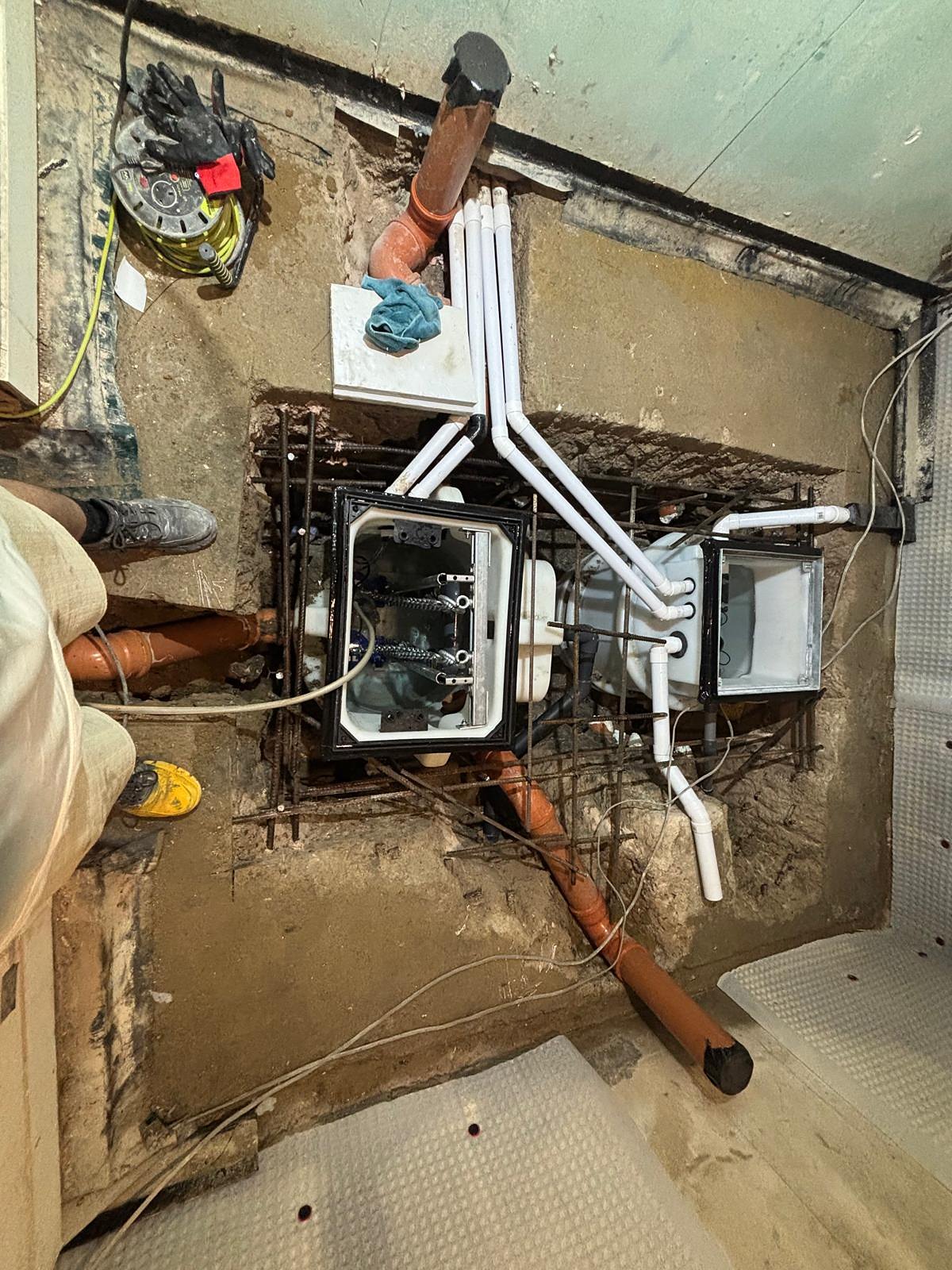
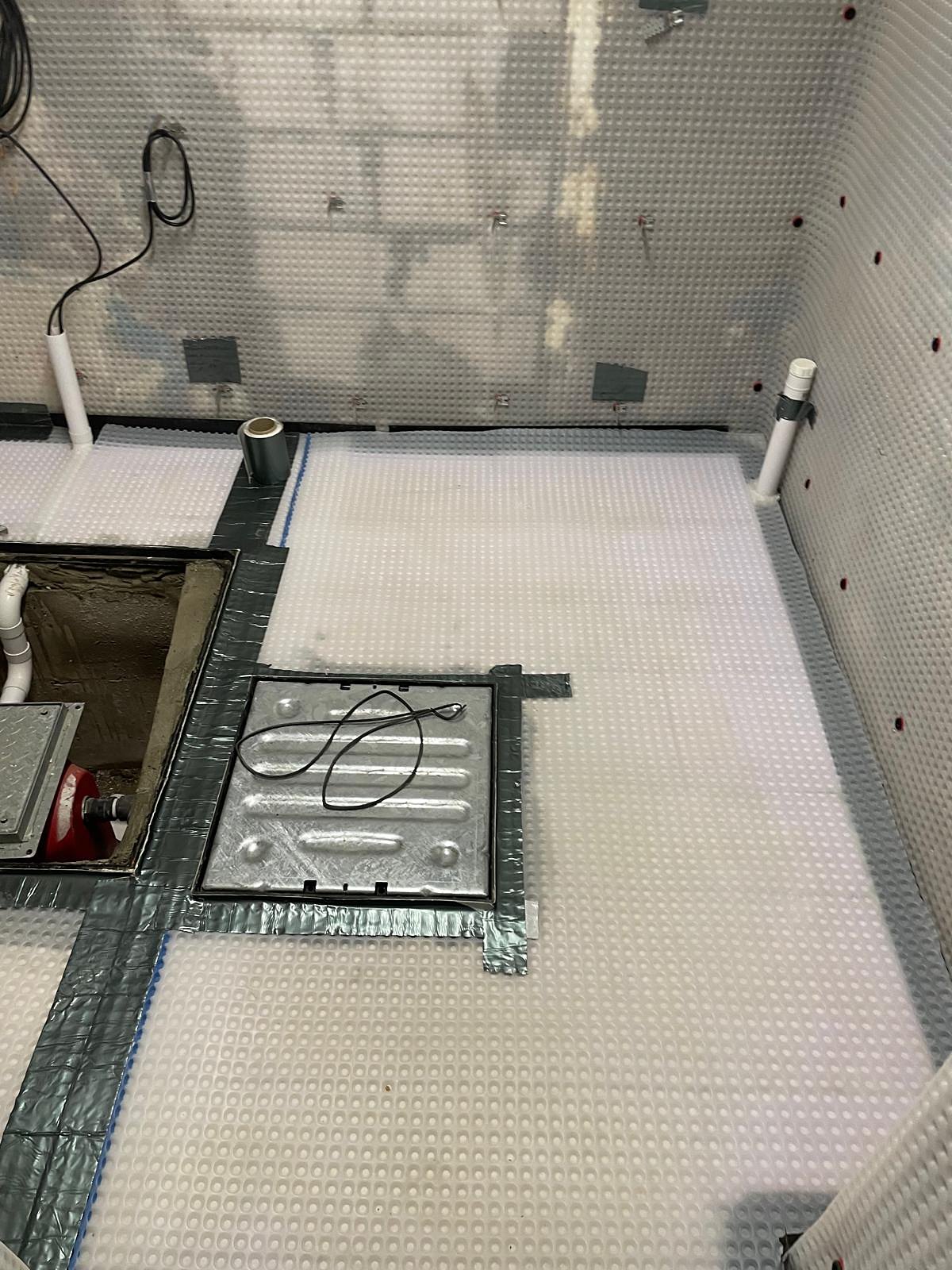
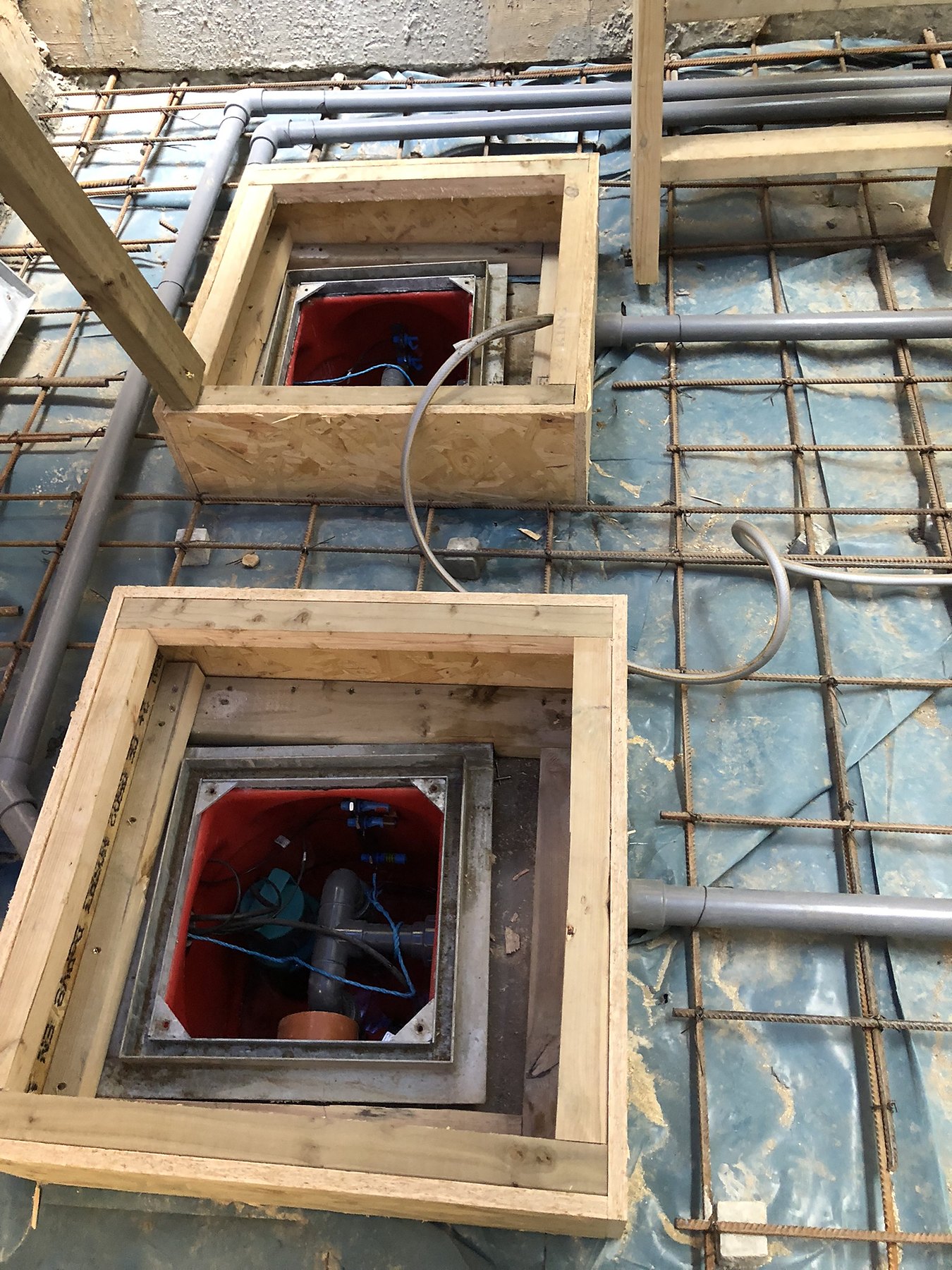
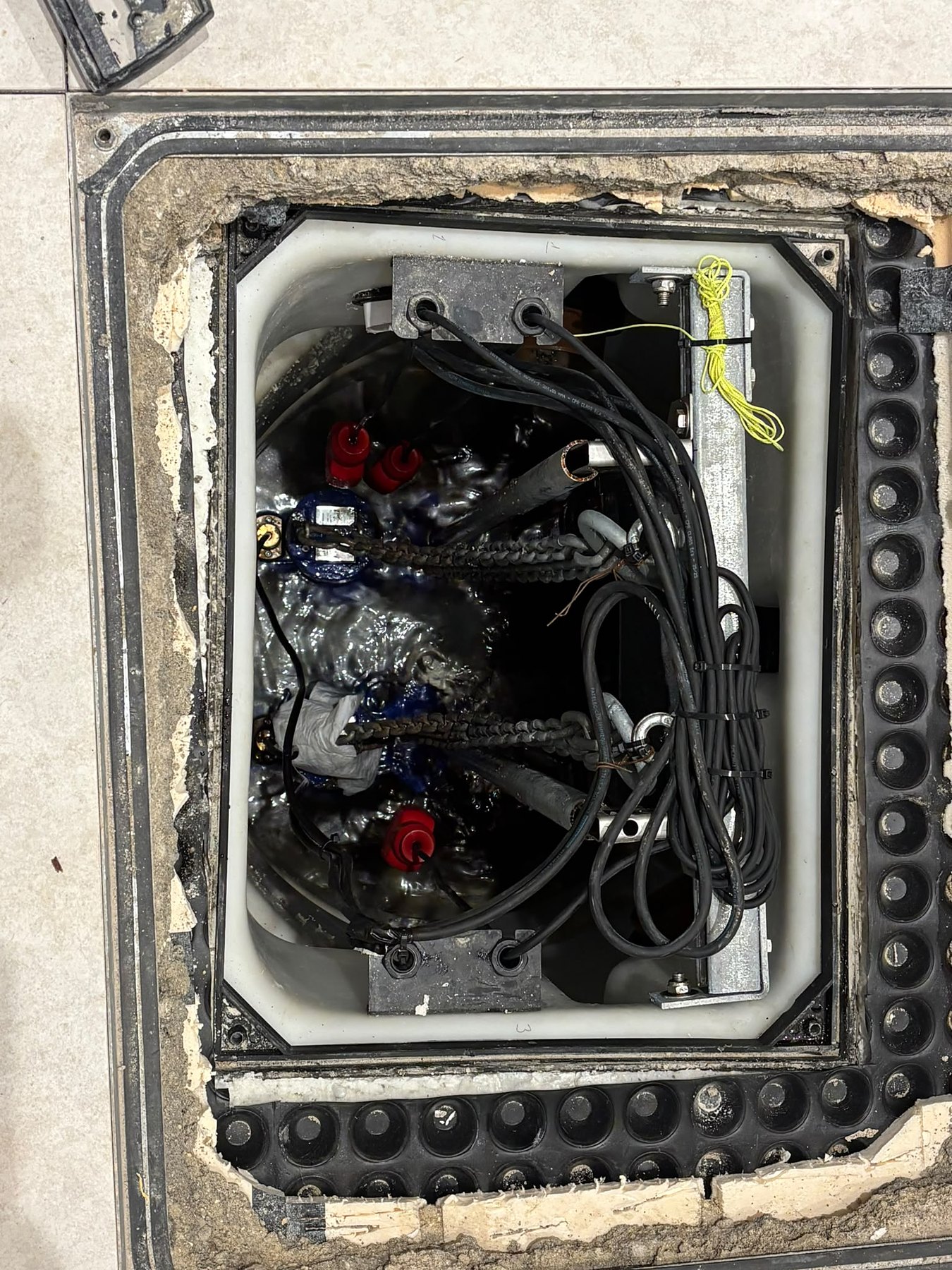
- Turnkey installation with back-up: we excavate the sump chamber and fit the membranes. Where flooding happens frequently, we install twin pumps with battery back-up to cover power cuts during storms.
- Building work and finishing: once waterproofing is in place, we construct the new walls using either a metal frame and moisture-resistant boards or plywood boards on battens, then complete the finishing work.
The specialists on your project
Who helps plan a conversion in a flood-prone basement?
Building Regulations govern conversions involving active leaks and a drained (Type C) system. Different specialists are needed at different stages. We work with our own architects and structural engineers to coordinate the structure, waterproofing and conversion as one project.
Structural engineer
Essential, for Building Control approval
- Lowering the floor: where digging down is planned, the engineer calculates safe support for load-bearing walls through underpinning.
- The sump pit: positioned at the lowest point and around 80–100 cm deep, it must be checked by the engineer to ensure its location does not affect foundation stability.
- Channels cut into the floor: cutting the slab to form drainage channels also calls for structural checks.
Architect
Optional, but highly recommended
- Planning permission: the architect prepares council drawings for a lightwell, new basement windows or a separate entrance.
- Fire escape: a habitable basement must have a safe escape route under Building Regulations (Approved Document B).
- Layout and services: these include mechanical ventilation, essential in damp basements.
Waterproofing designer qualified as CSSW
Required by BS 8102:2022
- The right qualification: a Certificated Surveyor in Structural Waterproofing (CSSW) should be included in the design team; architects and engineers rarely hold that qualification.
- Our own team: our CSSW qualifications mean we design the pump and membrane system ourselves.
- Responsibility: we are responsible for the system working under groundwater pressure.
Working near neighbours
Notifying neighbours under the Party Wall Act 1996
Could my basement work fall under the Party Wall Act?
Before work begins, you may need to give neighbours formal notice under the Party Wall etc. Act 1996 if your home shares a wall with theirs or excavation is close to their building. Basement projects involving a sump pit, perimeter drainage or a lowered floor often come within the Act.
When does the 3-metre rule apply?
The Act applies when excavation within 3 metres of a neighbouring building for the sump, drainage or lowered floor extends deeper than the base of its foundations.
When does the 6-metre rule apply?
It also applies if the excavation is within 6 metres of the neighbouring building and deep enough to cut a line drawn down at 45 degrees from the bottom of their foundations.
What about work affecting the shared wall?
For a terraced or semi-detached home, work to the party wall itself is also covered. Examples include inserting beams into it or underpinning the foundations beneath it.
Who serves a Party Wall Notice, and when?
The building owner must serve official notice on the neighbour at least one month before excavation work under Section 6, or two months before work to the party wall under Section 2. Excavation notices include plans and sections showing the site and depth of work, including the sump pit depth where relevant. The notice lapses if work has not begun within 12 months. Our engineers can prepare the drawings.
What follows the neighbour’s response?
Neighbours have 14 days to reply. If they consent, work can proceed, although photographing existing cracks in their property beforehand is still worthwhile. If they dissent or do not respond, a dispute arises and party wall surveyors must be appointed.
What is the surveyor’s role in party wall work?
The surveyor’s role is to ensure the work is carried out safely, not to block the project. They record the neighbour’s property before work in a Schedule of Condition and issue a Party Wall Award setting out matters such as noisy excavation hours and protection of the neighbouring property.
Who is responsible for the surveyors’ fees?
The building owner normally pays both their own surveyor’s fees and those of a surveyor the neighbour is entitled to appoint. If both sides agree to use a single Agreed Surveyor, this significantly reduces the cost. This is general information, not legal advice; each property differs, so check the details with a party wall surveyor.
Where the water goes and what keeps the pump running
Where should the water go?
Selecting the right discharge point helps prevent smells and backflow:
- Into a foul or combined sewer: this is the best option, provided the connection runs through a trapped gulley to stop sewer gases and odours returning to the basement.
- Into a surface water drain: connect directly and fit a non-return valve to prevent rainwater flowing back into the basement in a downpour.
Back-up protection
Violent storms cause most basement flooding and often coincide with power cuts. We therefore recommend:
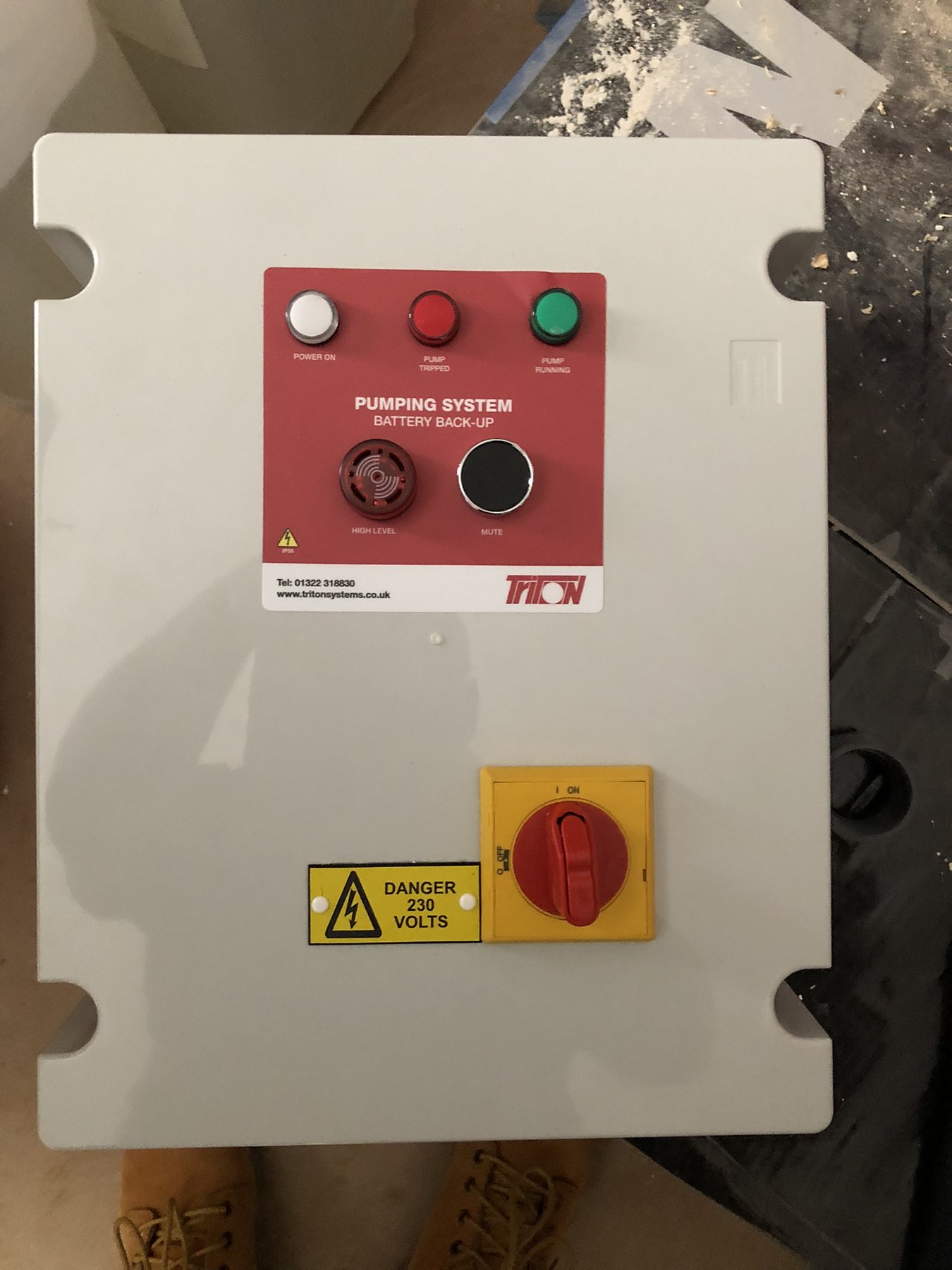
- Battery back-up (UPS) or a generator: provides power to keep the pump working during a power cut.
- A second, back-up pump: in a twin-pump system, it starts if the first pump fails or water enters very quickly.
- A high-level alarm: alerts you immediately when water in the chamber rises above its intended level.
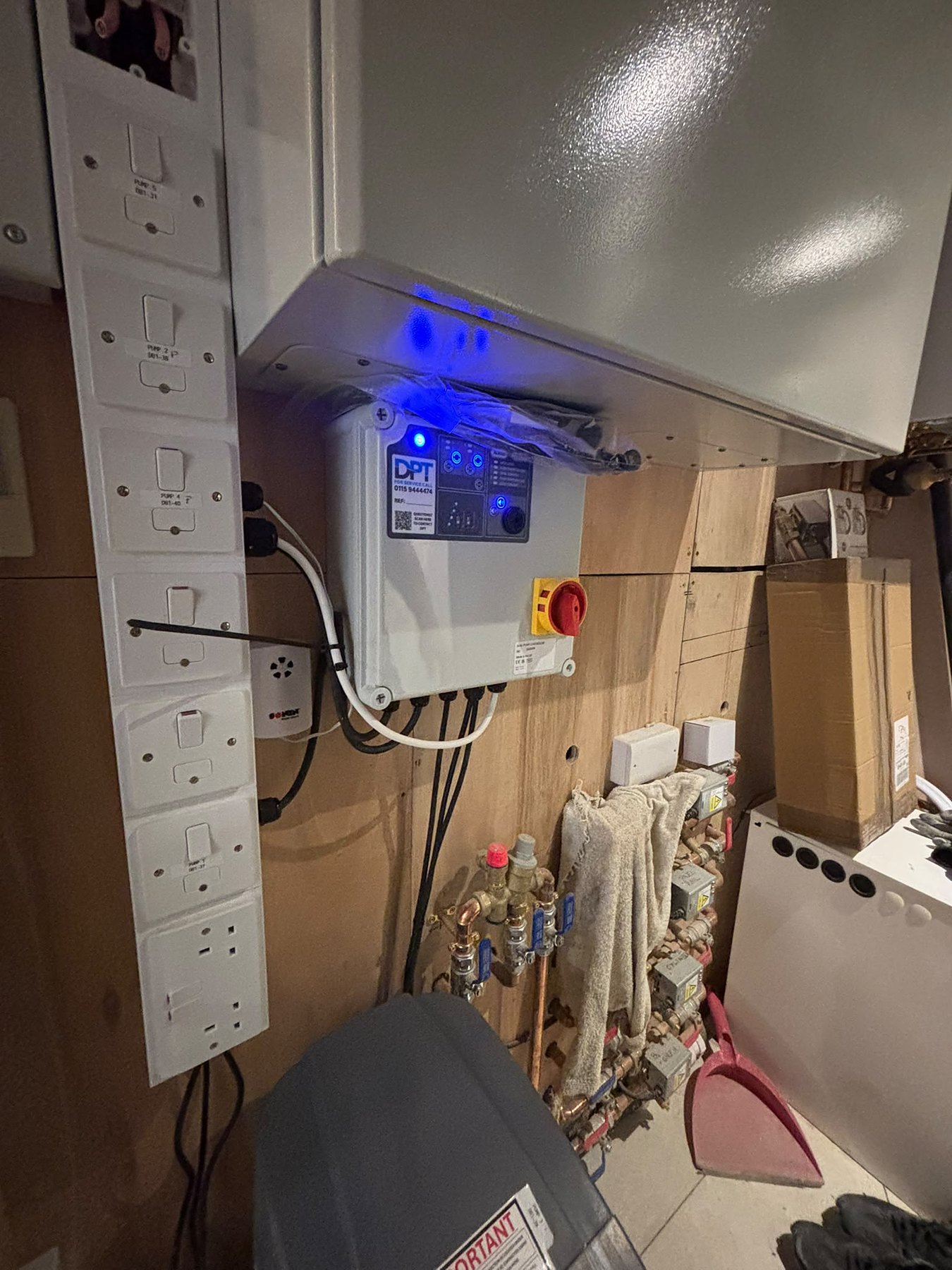
Servicing your sump pump
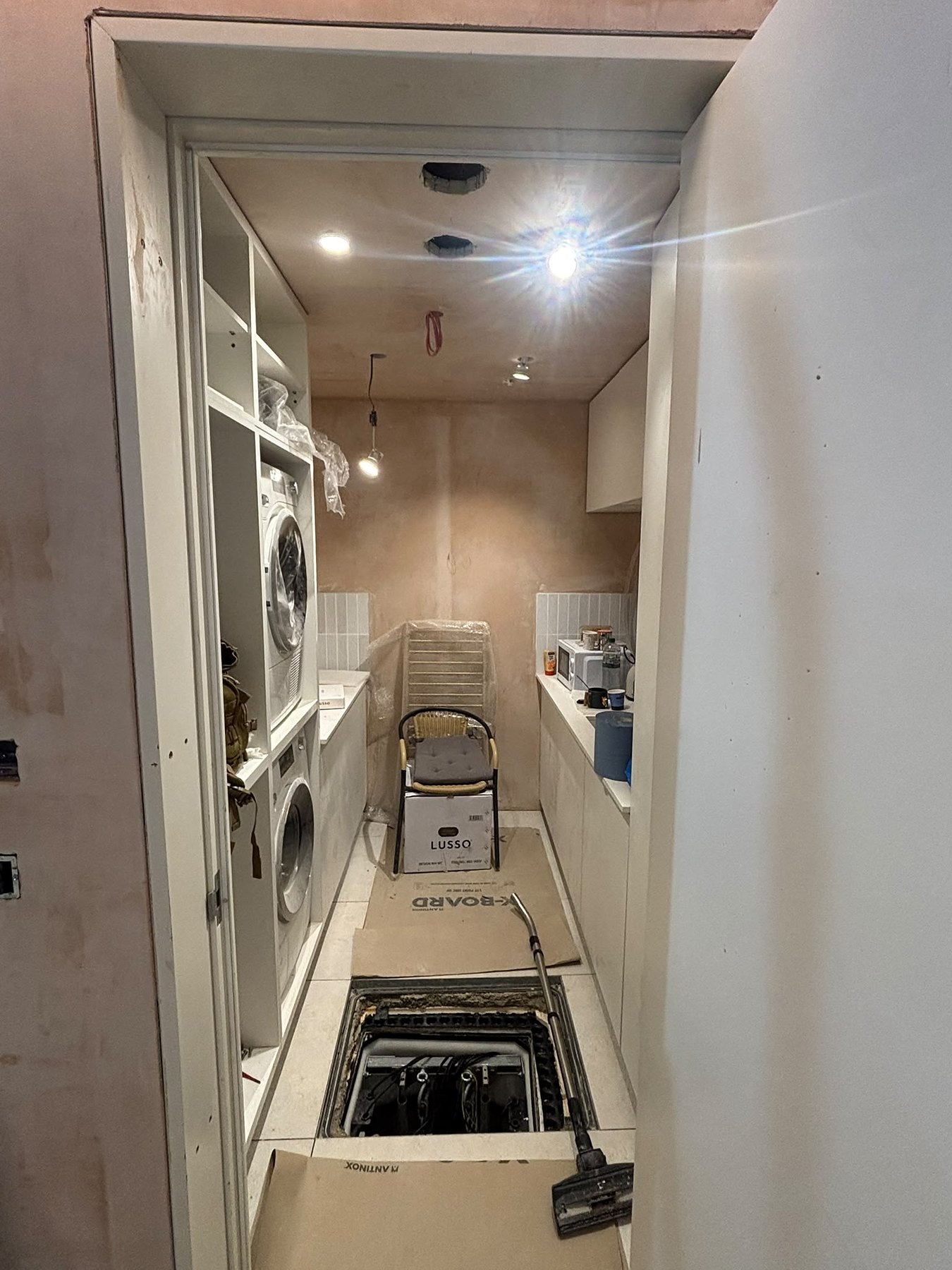
We recommend sump pump servicing twice a year: in spring before the thaw and autumn ahead of heavy rain. More frequent visits make sense for pumps that run often or serve commercial buildings. We also offer aftercare and emergency call-outs. During a service, we carry out the following checks:
- Cleaning the sump chamber: we lift out the pump and remove silt, sand and debris that could obstruct it.
- Cleaning the inlet strainer: we remove any deposits from the pump intake.
- Checking the float switch: we confirm it moves freely without catching on cables or the chamber walls.
- Testing: we add clean water to the chamber to confirm the pump starts automatically and empties it quickly.
- Checking the discharge: we inspect the non-return valve and ensure the gulley trap contains water.
Following each visit, we provide a written record of the checks to help keep your system and its warranties in order.
Damp smells and mould
Musty smell around the pumps? Book a service now
A damp, mouldy smell in the pump room or upstairs calls for urgent attention. It indicates mould spores are already growing in the building and that drainage or ventilation is not working properly.
What commonly causes the smell?
- Stagnant water in the chamber: a poorly adjusted float can prevent the pump emptying it fully, allowing silt, grease and bacteria to accumulate, cause odours and release moisture into the house.
- Dry gulley or failed non-return valve: either can allow sewer gases and unpleasant smells back into the basement.
- An overloaded pump: a blockage in the strainer or impeller stops the pump keeping up, causing humidity to rise sharply.
During an urgent service, we isolate and remove the pump, clear water and silt, clean and disinfect the chamber, clean the impeller and float, test the pump, refill the gulley trap and inspect the smell barrier. We then locate the source of mould and treat it with a professional fungicide. Simply opening the windows at this stage spreads spores through the house.
Why can you smell it on the floors above?
Even a three-storey house can be affected throughout by a damp basement with mould:
- The stack effect: warm air moves upwards and escapes through the roof or ventilation, pulling basement air and mould spores through doors, service openings and gaps in floors.
- Capillary rise: wet basement walls can draw water upwards like a wick, sometimes reaching the ground or first floor and bringing damp, salts and mould. Find out more about rising damp.
Mustiness detectable upstairs means spore concentrations are already high. Possible effects include allergies, asthma, recurring infections, headaches and tiredness, particularly among children and older people.
Explore connected services
Waterproofing services to pair with your pump
To make your pump part of a complete system, we also provide basement waterproofing, basement conversions and cellar waterproofing.
Waterproofing Basements
Pump, membrane and tanking options.
Technology for Basement Waterproofing
How Type A and Type C differ.
Waterproofing & Basement Conversion
Turn a damp cellar into usable living space.
Cellar Waterproofing
Dry protection for older cellars.
Retaining Wall & Foundation Waterproofing
Exterior protection ahead of backfill.
Rising Damp
Moisture travelling upwards from the ground.
Black Mould & ISO-Therm Membrane
Tackling mould and condensation.
Basement Floor & XPS Insulation
Below-ground floors kept warm and dry.
Common questions
Sump pump installation: your questions answered
How is the right pump selected?
We size the system during the survey by assessing water entering in heavy storms, the height and distance it must travel to the discharge point, and how critical it is to keep the space dry. We fit twin pumps if flooding happens frequently or the basement is lived in.
Will the sump pump work during a power cut?
The mains pump stops without electricity, potentially just as a storm brings the most water. A generator or battery back-up (UPS) keeps it running, while a high-level alarm alerts you if chamber water rises too far.
When does my sump pump need servicing?
We recommend servicing twice a year, in spring and autumn. Guidance in BS EN 12056-4 suggests at least yearly servicing in homes, twice yearly where flooding is a risk and four times yearly for commercial premises.
What are the options for pump discharge?
Ideally, the water goes into a foul or combined sewer through a trapped gulley to keep smells out, or into a surface water drain fitted with a non-return valve to stop backflow during a downpour. We agree the discharge point at the survey.
Can a sump pump dry out damp walls?
No. It removes water collecting at the lowest point but cannot stop moisture entering through the walls. A dry, usable room also needs waterproofing, such as a cavity drain membrane and perimeter drainage working alongside the pump.
Does a sump pit need an engineer, and how deep is it?
A sump pit is generally around 80–100 cm deep and located at the basement’s lowest point. Excavation near footings changes stresses in the ground, so a structural engineer confirms its position. The Party Wall Act may apply if a neighbouring building is close.
What causes a musty smell in the pump room?
Common causes are stagnant chamber water, a dry gulley trap, a failed non-return valve or an overloaded pump with a blocked strainer. Arrange an urgent service so we can clean and disinfect the chamber, test the pump and restore the smell barrier.
How can I arrange a survey, service or call-out in Croydon?
Arrange a survey online, or speak to our specialists on 020 8432 3350 or 07720 752231. We install new systems, service existing pumps and provide emergency call-outs.
Free survey
Arrange a sump pump survey in Croydon
For water entering your basement or a pump due for servicing, arrange a survey or speak with our specialists on 020 8432 3350 or 07720 752231.
07720 752231
Describe your basement
Please fill in the required fields marked *. We will contact you to arrange a survey once your details reach us.
Assessing your basement locally
Our first checks for basements in Croydon
In Croydon, we assess each basement on its own merits before proposing a pump, rather than relying on assumptions about the surrounding area. The same approach applies whether the space is a cellar, sits beneath an extension or serves a commercial property.
During the visit, we identify where water enters, whether it appears after rain or persists, and the lowest point in the basement. We also look at possible discharge points and power for the pump and back-up. These findings determine chamber size, the number of pumps and the discharge route.
Fungi and mould in a damp basement
When basement humidity stays above 60–70%, moulds and wood-destroying fungi can develop:
- Dry rot (Serpula lacrymans): the most destructive fungus in buildings carries water many metres along its strands. It can cross dry masonry, destroy timber and weaken mortar.
- Wet rot (Coniophora puteana): develops where materials stay wet or flood repeatedly and causes brown rot.
- Aspergillus: a common mould in damp basements, appearing as black or dark brown growth.
- Penicillium: forms fluffy patches with a greenish colour.
- Black mould (Stachybotrys chartarum): grows on damp insulation, wallpaper and plasterboard and is considered one of the most toxic moulds in homes. See our black mould service.
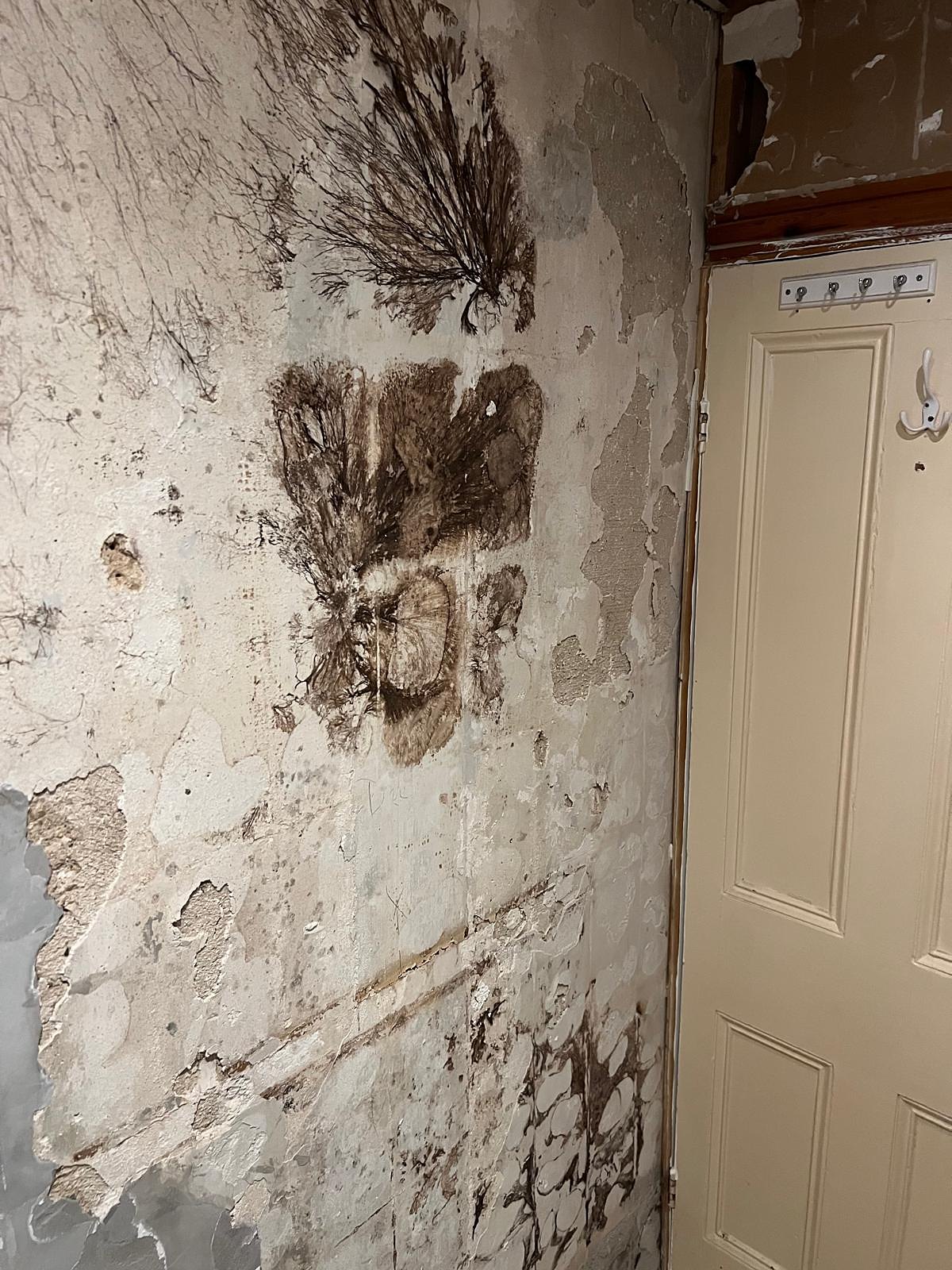
Spot the warning signs
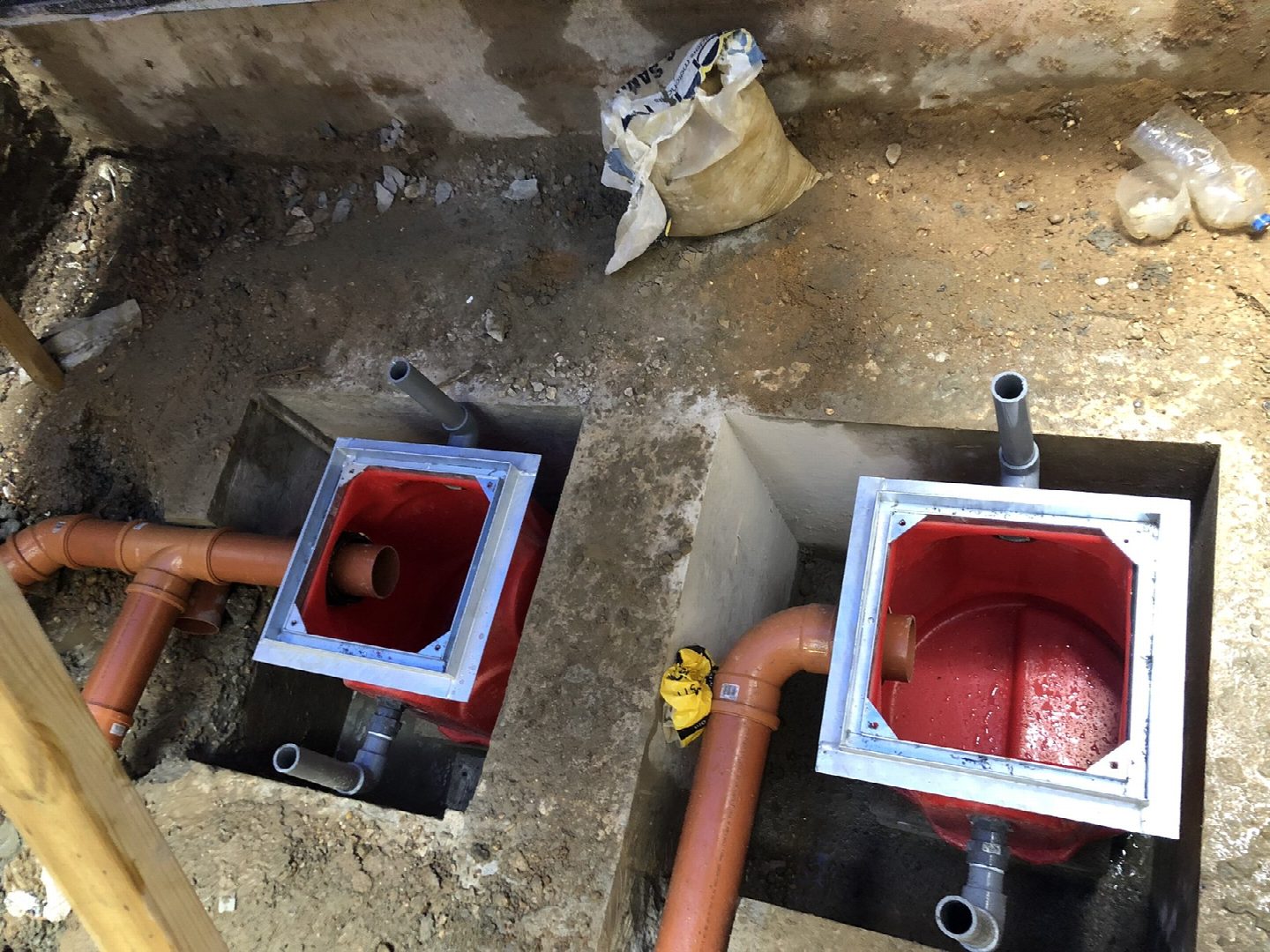
Keep your basement dry, whatever the weather
Proud of our 5-star Google rating, we invite you to read our reviews, arrange a survey or speak to our specialists on 020 8432 3350.
Qualified Specialists & a 10-Year Guarantee
Our family-run team holds CSSW qualifications, with a minimum of 10 years’ experience each. We back our waterproofing work in Croydon with a 10-year guarantee covering workmanship, plus a QANW Insurance Backed Guarantee that transfers to the new owner if you sell your property. The pumps we install carry the pump manufacturer’s warranty, usually up to 2 years, and we keep them in good working order with regular servicing.

See What Our Clients Say
We are proud of our 5-star Google rating. Whether you need a new sump pump system, a service or an emergency call-out, book a survey or call our specialists on 020 8432 3350 or 07720 752231.
Where we work
Sump pump services across Croydon and nearby
For sump pump installation and servicing, Crystal Damp Proofing & Basements Ltd serves Croydon and surrounding areas, including Norbury, Mitcham and Purley. Select an area below to visit its local page.