

Leave your details and our team will get in touch.
Request a call back
Waterproof Render in West Wickham
Give your walls added protection from rain, damp and cold.
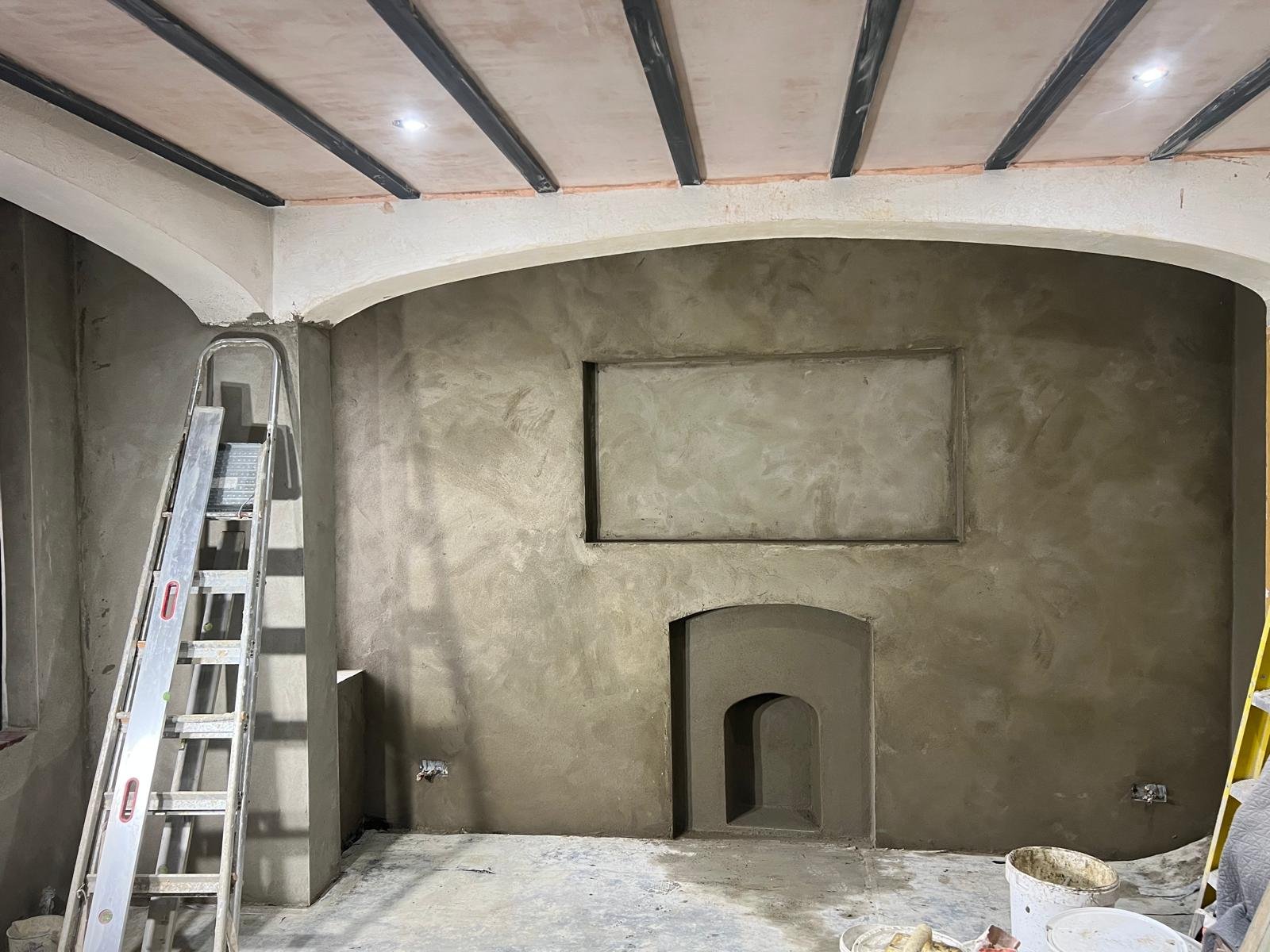
Rather than simply finishing a wall, waterproof render adds a protective layer against cold and moisture entering the masonry. Render alone is never 100% waterproof. When the right system is specified and applied correctly, however, it protects most of the underlying wall structure against frost damage, cracking, mould and damp patches. Waterproofing slurry beneath the render completes the barrier against water.
For walls inside and outside properties in West Wickham BR4, Crystal Damp Proofing & Basements Ltd selects a system to suit the building. Our CSSW-qualified team then applies waterproof render in West Wickham.
What makes render water-resistant?
Waterproofing additives are mixed into the render. They enter the material’s pores and bond there, creating protection within the layer that greatly reduces water absorption. The wall’s position and conditions determine which of these options we use:
- Cement renders with waterproofing additives: our strongest and most watertight choice for interior basement walls and areas with the greatest exposure.
- Silicone renders: repel water strongly; rain runs off, taking dirt along with it.
- Acrylic renders: absorb little water while offering flexibility and resistance to weather.
- Mosaic (resin) renders: withstand water and impact particularly well and are usually used on plinths.
- Renovation renders: resist salts yet remain highly breathable when restoring older walls affected by damp.
What can waterproof render help protect against?
Waterproof render helps shield your property from:
- Driving rain and splashback: rainfall striking the wall or splashing upwards from the ground.
- Rising and penetrating damp: moisture entering masonry from the ground (rising damp) or finding its way through a wall (penetrating damp).
- Frost damage: moisture held in a wall expands when it freezes, cracking both render and masonry.
- Cold and heat loss: walls insulate much more effectively when they are dry.
- Mould, algae and moss: growth that readily develops on persistently damp surfaces, indoors and outside.
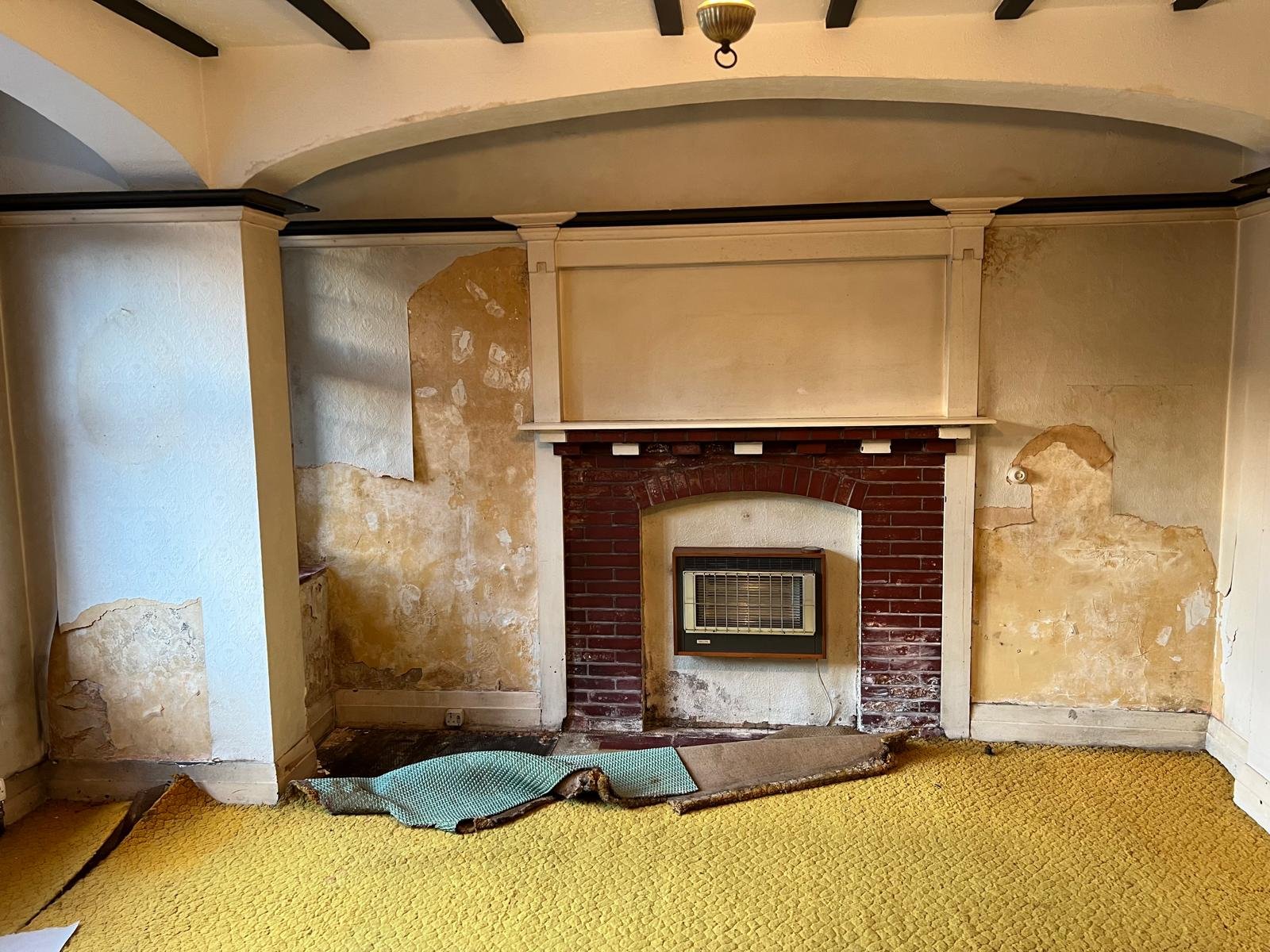
The wall before treatment
Where rendering helps
When is waterproof render suitable?
Walls with greater exposure to water can benefit from waterproof render, whether they are indoors or outside.
On the outside of the building
- Plinths and lower walls: the bottom 30–50 cm of a façade, where rain splashes upwards and snow can rest.
- Foundation and basement areas: ground-contact walls without full vertical waterproofing, or those needing further protection. Learn about retaining wall and foundation waterproofing.
- Exposed walls: elevations facing prevailing wind and rain, alongside slower-drying walls where algae develops.
- Around terraces, balconies and entrances: places where runoff or splashes from flat surfaces reach the render.
- Near water and trees: buildings by rivers, lakes or woodland, where the surrounding air remains humid.
Indoors and on older masonry
- Old, damp walls: as part of restoring a building affected by moisture.
- Interior walls: in basements, cellars and other rooms prone to damp.
Do mortar joints need attention before rendering?
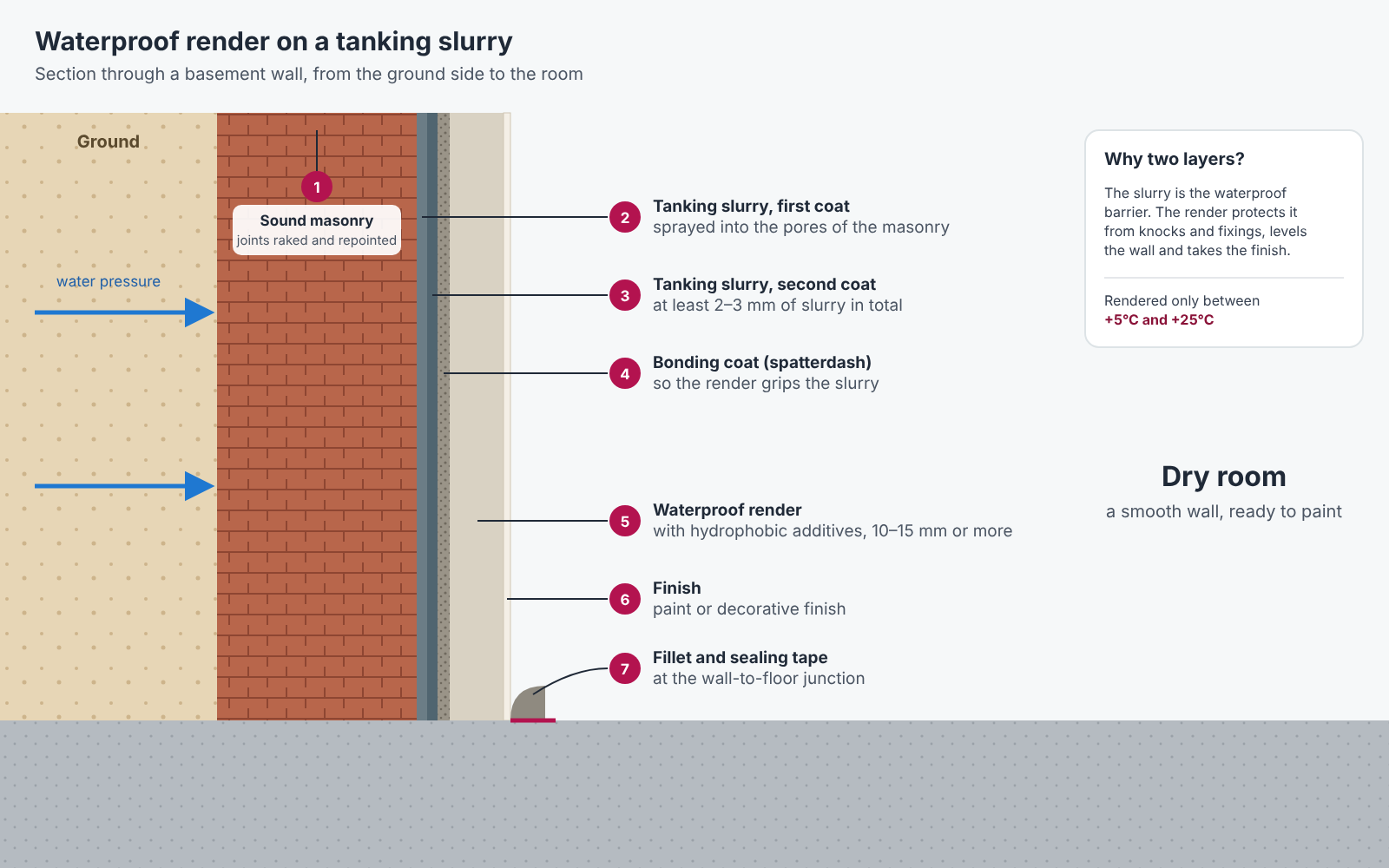
Yes. Render depends on sound masonry beneath it. We rake out loose or crumbling mortar and repoint the joints to a depth of at least 20 mm. Any cracks must be repaired before render is applied. A stable base is essential for effective waterproofing.
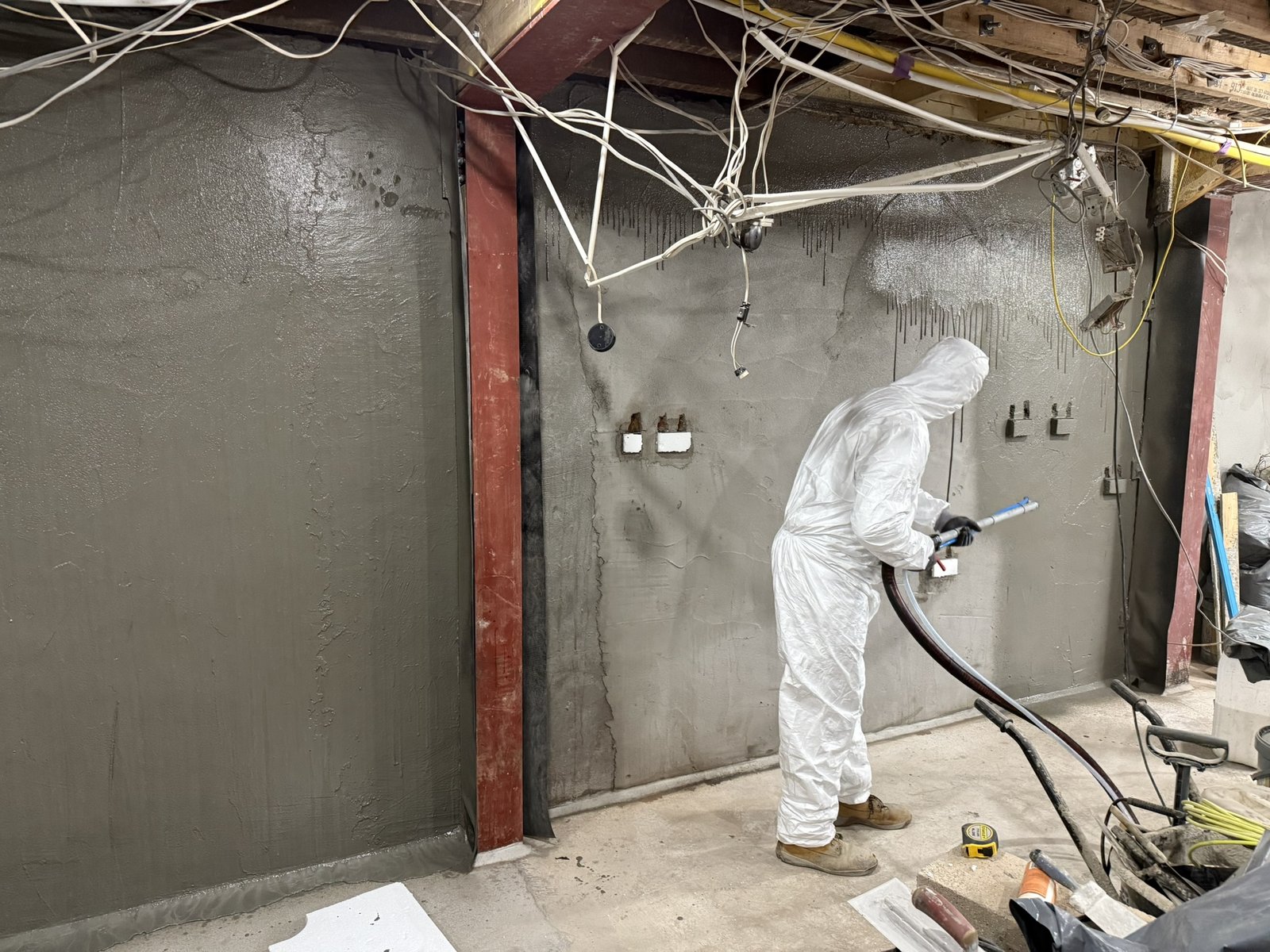
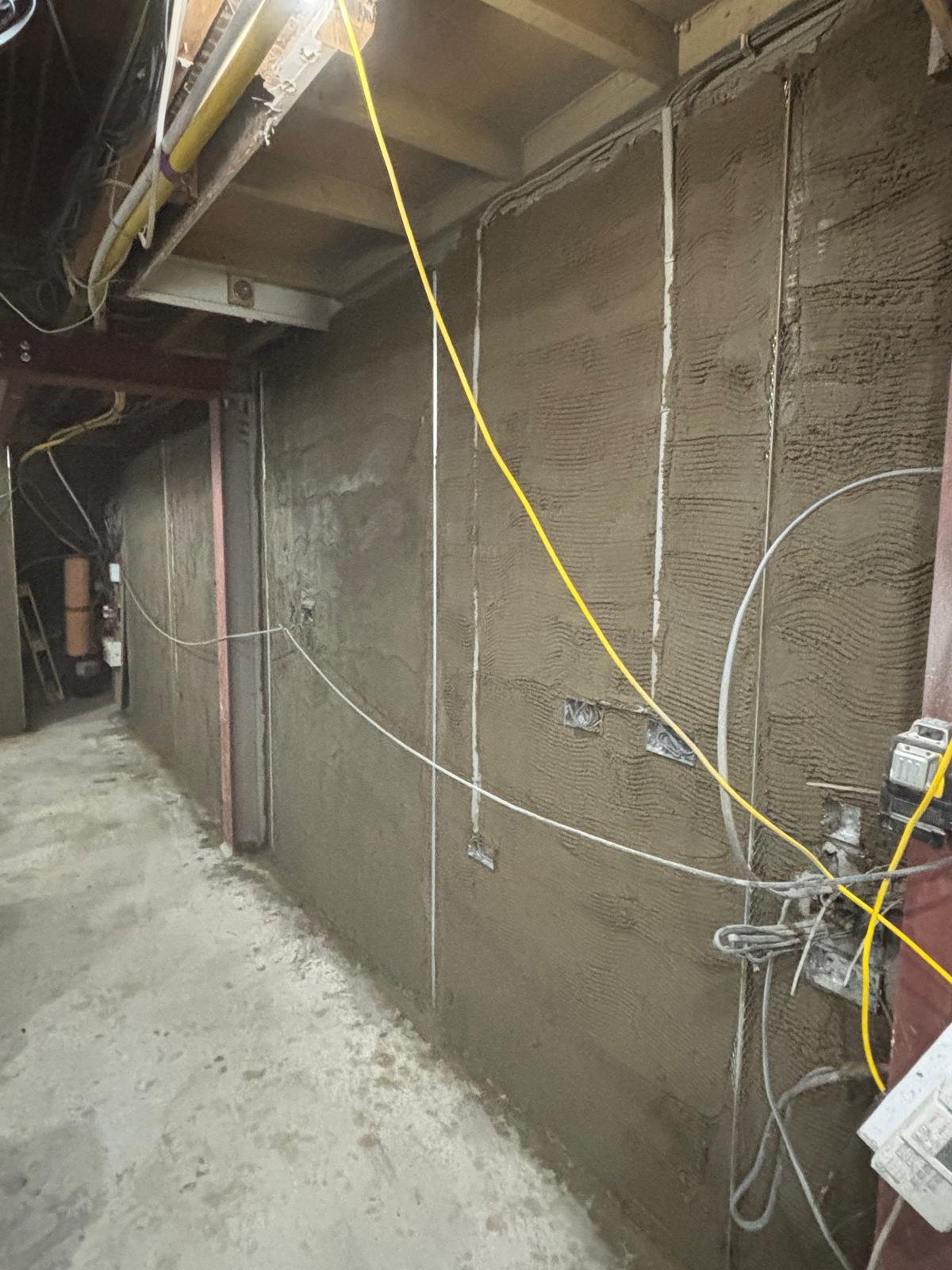
Machine-sprayed tanking
Tanking basement walls before applying render
For cellar and basement walls, rendering follows a spray-applied tanking system. The slurry is a mineral, cement-based waterproofing mortar modified with polymers. We spray it by machine in at least two coats, around 2–3 mm thick altogether. It bonds permanently to the wall, forming a single seamless, watertight barrier against ground moisture and water pressure.
Machine spraying offers advantages over applying slurry by hand:
- No weak spots: sprayed slurry reaches deep into pores, hollows and irregular areas of brick, stone and concrete that a trowel or brush may leave thin or miss.
- One seamless coat: without joins or overlapping edges that water could follow.
- Even coverage and speed: a consistent layer reaches corners and areas behind services across the wall, far faster than hand application.
Render over slurry
How waterproof render and tanking slurry support each other
Slurry and render perform separate roles; combined, they offer stronger protection than either layer provides alone.
A smooth, ready-to-finish wall: render levels the surface and supplies a sound base for paint or another finish, helping a basement look like any other room in the house.
Building up the system
How we apply waterproof render over tanking slurry
We generally build up a layered system on basement and cellar walls. Under the render, tanking slurry provides the water barrier. The render protects that barrier, evens out the wall and supports its final finish.
Rules that matter and mistakes to avoid
- The right order: when waterproofing a basement internally, slurry must be beneath the render, on the side from which the water comes.
- Corners and junctions: we set sealing tape into the slurry where walls meet each other or the floor, as movement of the building can cause cracks there.
- Curing: we lightly mist both slurry and render during the first few days, shielding them from drying too rapidly in sunshine or draughts.
- Too thin a layer: slurry below 2 mm thick cannot provide full waterproofing.
- The wrong conditions: rendering takes place only between +5°C and +25°C, without rain or strong wind, and never on a wall that is soaking wet.
Assess the water first
Is it dampness or water pressure?
What is happening to the room’s walls determines which system is appropriate.
When moisture rises through the wall
Ground moisture travels upwards through masonry. The wall feels damp and shows salts, although no water is running in.
When water stands against a wall
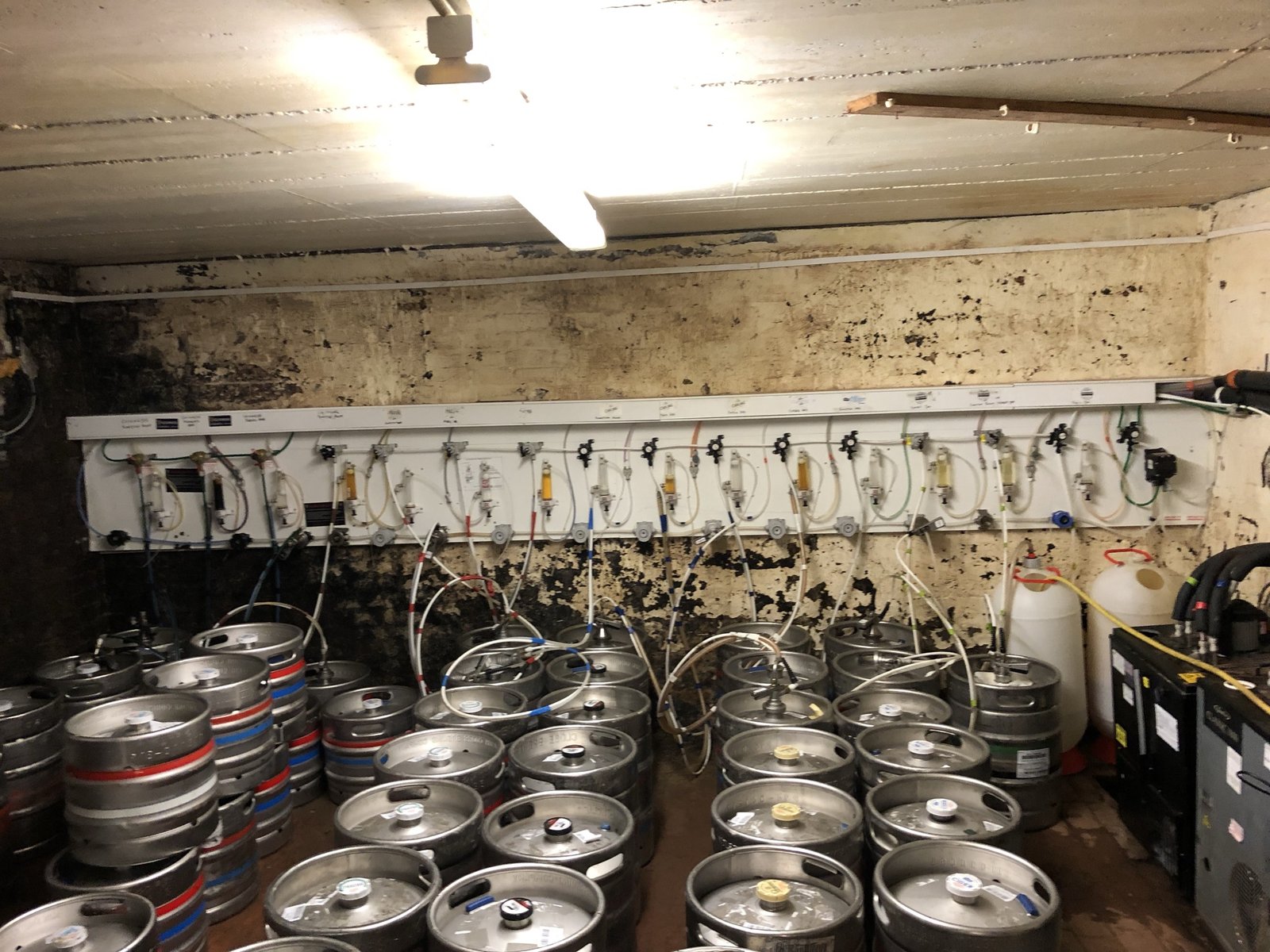
Water sitting against the outside of a wall pushes towards the room. This negative pressure attempts to force the waterproofing away from the masonry. Standard flexible slurry and ordinary waterproof render cannot withstand it: water can lift the layers and cause blisters.
Our approach to water pressing through a wall
- Stopping active leaks first: we cut seeping or spurting points into a dovetail shape and plug them with fast-setting hydraulic cement, which sets in seconds on contact with water.
- Back to sound masonry: we remove old render at least 80 cm above the visible damp line, ideally up to ceiling level in basements, then clear away all salt deposits with a wire brush.
- Fillets at the wall-to-floor junction: at the point of greatest water pressure, we use repair mortar to form a rounded fillet with a radius of around 4–5 cm.
- Rigid mineral slurry: we apply slurry designed for negative pressure, often based on crystalline technology, in at least 2–3 coats to a cured thickness of at least 3 mm.
- Render on top: a bonding coat is followed by render selected to suit the conditions.
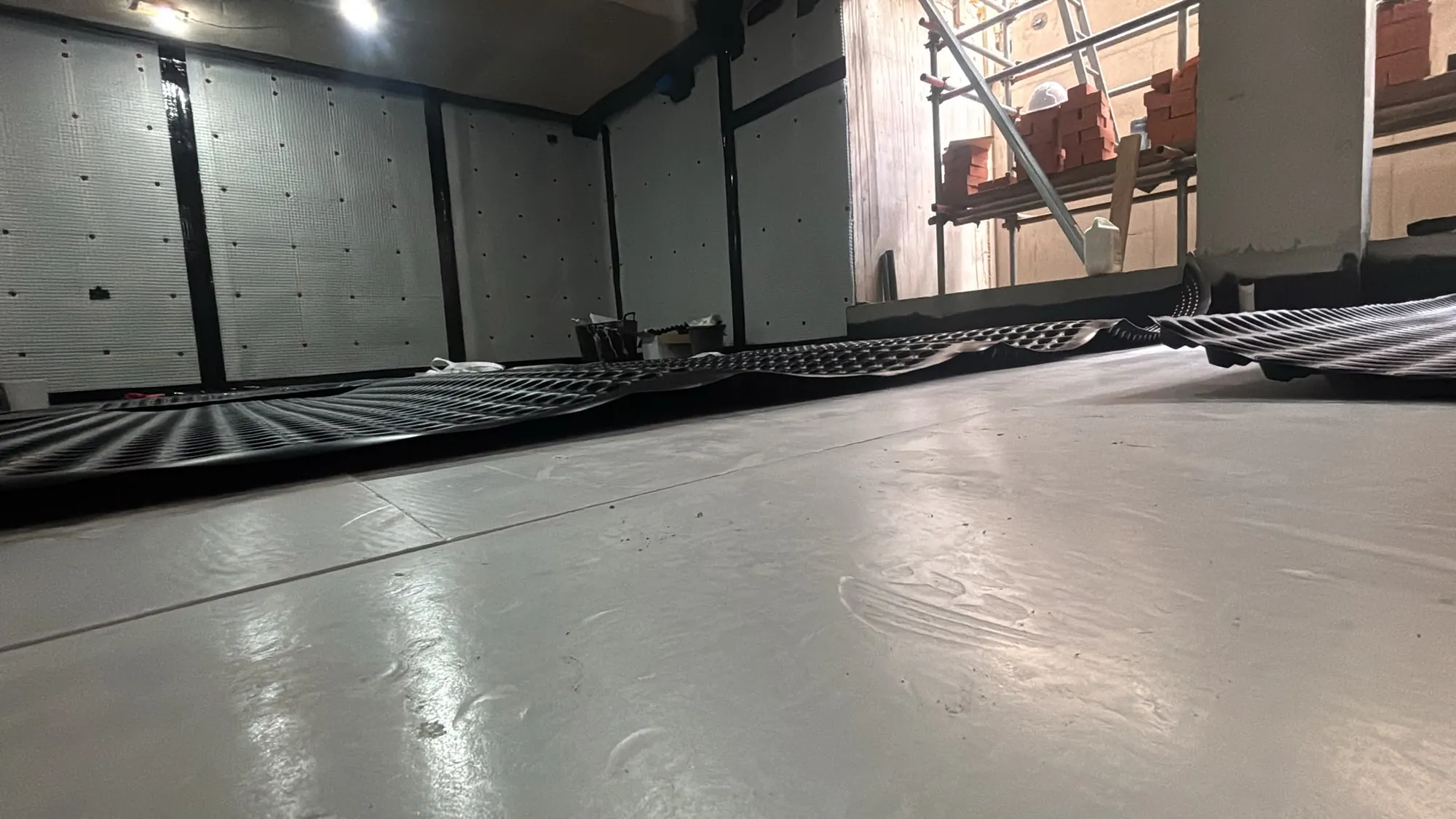
If water pushes in constantly under high pressure, slurry and render alone may not keep a habitable room dry. In line with BS 8102, we then recommend drainage and a sump pump with a cavity drain membrane system (Type C). Our basement waterproofing page explains this approach.
Choosing Type C where necessary
Older walls affected by salts
Choosing renovation render for salts and rising damp
On walls affected by both rising damp and salts, ordinary waterproof render can fail quickly. It holds moisture within the masonry, while salts build up and push the render away.
Building a renovation render system
- Bonding coat: we begin with a semi-covering renovation spatterdash coat.
- Renovation render: we follow with porous, air-entrained renovation render at least 20 mm thick.
How it works: numerous tiny pores allow the wall to breathe and release remaining moisture. Damaging salts crystallise inside those pores rather than breaking up the rendered surface.
Addressing the source of rising damp
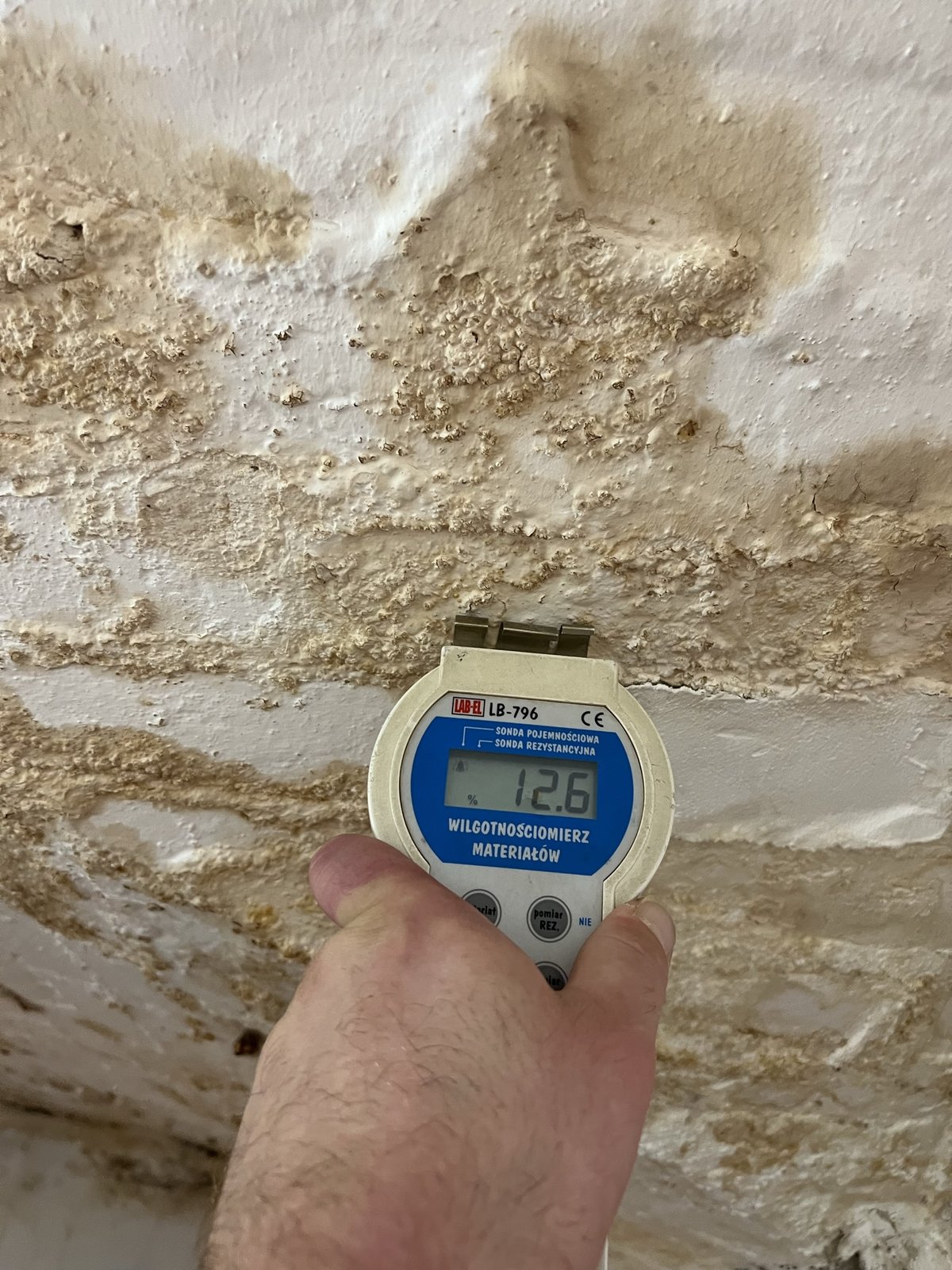
When moisture rises from the foundations, slurry applied internally only blocks it at the surface. The room may become dry, but moisture remains inside the wall.
We recommend DPC injection to stop rising damp completely. We drill holes into the wall and inject a special cream or silane-based fluid, forming a barrier against water within the masonry.
Dealing with standing water
If you need a sump chamber, we can help install it
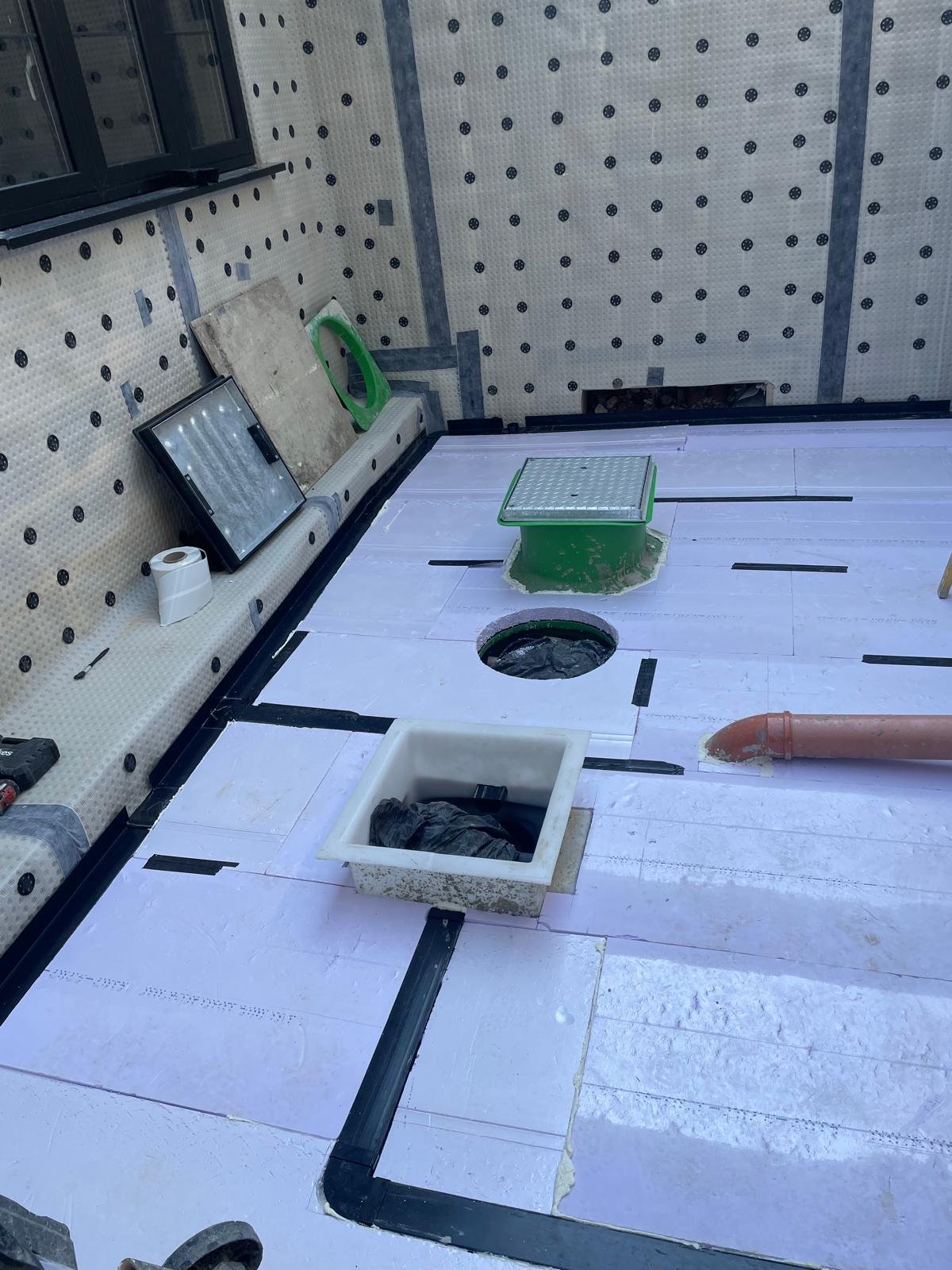
Where water stands on a room’s floor, it needs a way out before waterproofing begins. If you have no sump chamber, we will help you install one.
- Sump chamber at the lowest point: installed within the floor and fitted with an automatic sump pump to discharge water outside the building.
- The right discharge point: water enters a foul or combined sewer through a trapped gulley that prevents smells returning, or a surface water drain through a non-return valve.
- Back-up protection: a battery back-up (UPS) or generator runs the pump during a power cut. With twin pumps, the second starts if the first fails.
- Regular servicing: we advise servicing pumps twice a year to clean the chamber, check the float switch and test that the pump starts automatically.
System materials
Quality materials from trusted manufacturers
Products we use come from well-known manufacturers, including Newton, Wykamol, Delta, Biokil and Mapei. Working together as a complete system, these proven materials protect your walls for years to come.
NEWTON
Newton
Slurries and membrane systems for waterproofing.

Wykamol
Additives, tanking slurries and renovation materials.

Delta
Sump pumps alongside membranes and channels.

Biokil
Treatments for mould and products for damp proofing.

Mapei
Repair materials, waterproof mortars and renders.
Complementary services
Other work that can support waterproof rendering
Depending on what your walls need, waterproof render can be combined with services such as spray-applied tanking or full basement waterproofing.
Spray-Applied Basement Waterproofing
A sprayed slurry layer below render.
Basement Waterproofing
Systems using pumps, tanking and membranes.
Cellar Waterproofing
Helping older cellars stay dry.
Rising Damp
Ground moisture travelling upwards.
Penetrating Damp
Addressing water passing through a wall.
Crystalline DPC Injections
A damp proof course within masonry.
Structural Cracks Repair
Preparing cracks for subsequent rendering.
Retaining Wall & Foundation Waterproofing
Waterproofing for walls retaining soil.
Sump Pump System & Services
Moving collected water out by pump.
ISO-Therm Membrane & Black Mould
Resolving condensation and mould.
Basement Waterproofing Technology
Explaining Type A, B and C.
Insurance-Backed Guarantee & Product Warranty
Cover transferable upon sale.
Helpful answers
Frequently asked questions about waterproof render
Can render be completely waterproof?
No. On its own, render is never 100% waterproof. Additives greatly limit its water absorption, protecting most of the underlying wall. Applied above tanking slurry, the combined layers form a complete barrier against water.
How do I choose a waterproof render type?
The choice depends on the wall’s location and exposure. Cement render with waterproofing additives suits the most exposed areas and basement walls. Silicone sheds rain and resists algae; acrylic offers flexibility and weather resistance; mosaic protects plinths; and renovation render suits older, salt-affected walls. We recommend a system after the survey.
Will you repair mortar before applying render?
Yes. Sound masonry is vital beneath render. We rake out and repoint crumbling or loose mortar to a depth of at least 20 mm, and repair any cracks before rendering.
What thickness do the slurry and render need?
We apply tanking slurry in at least two coats, reaching at least 2–3 mm in total. Waterproof render above it is at least 10–15 mm thick; renovation render is at least 20 mm thick.
Is rendering possible when water presses into a basement wall?
Yes, with a system suited to the conditions. First, we plug active leaks using fast-setting hydraulic cement. We then apply rigid mineral slurry designed for negative pressure to at least 3 mm thick, followed by render. If water presses in constantly under high pressure, we recommend a cavity drain membrane system (Type C) in line with BS 8102.
What makes renovation render suitable for rising damp?
Porous, air-entrained renovation render allows the wall to breathe. Salts crystallise within its pores instead of breaking the surface. We finish it with a breathable mineral paint or coating and recommend DPC injection to stop rising damp at its source.
What conditions are needed to apply render?
We render only between +5°C and +25°C, without rain or strong wind, and never onto a soaking wet wall. For the first few days, we lightly mist slurry and render and protect them against drying too quickly.
How can I arrange a survey in West Wickham?
Arrange a survey online or speak to our specialists on 020 8432 3350 or 07720 752231. We will assess the walls and advise on a suitable render system for indoors or outside.
Your free survey
Arrange a survey for walls in West Wickham
Whether your walls are damp or cracked, need fresh render because the existing render has blown, or your basement is taking in water, arrange a survey or speak to our specialists on 020 8432 3350 or 07720 752231.
07720 752231
Describe what is happening to your walls
Please fill in all fields marked *. We will get in touch to arrange your survey after receiving your details.
Assessing your property
What matters when rendering walls in West Wickham
Across West Wickham, we assess the particular wall rather than assuming a single render system suits every property. Older masonry and more modern walls can need different preparation, so we inspect the material and its condition before making a recommendation.
Our on-site checks cover which way the wall faces and its exposure to rain, the mortar and any cracks, evidence of salts or rising damp, and whether water is pressing in from the ground. What we find guides the preparation, the choice of render and whether tanking slurry belongs beneath it.
Accountable for the render we apply
Every render we apply is our responsibility. Should a defect appear in our work, we put it right.
Our own qualified team carries out each project, so you know who completed the work and who is responsible for it. We also undertake waterproof render work in Shortlands, Beckenham, Bromley and Croydon.
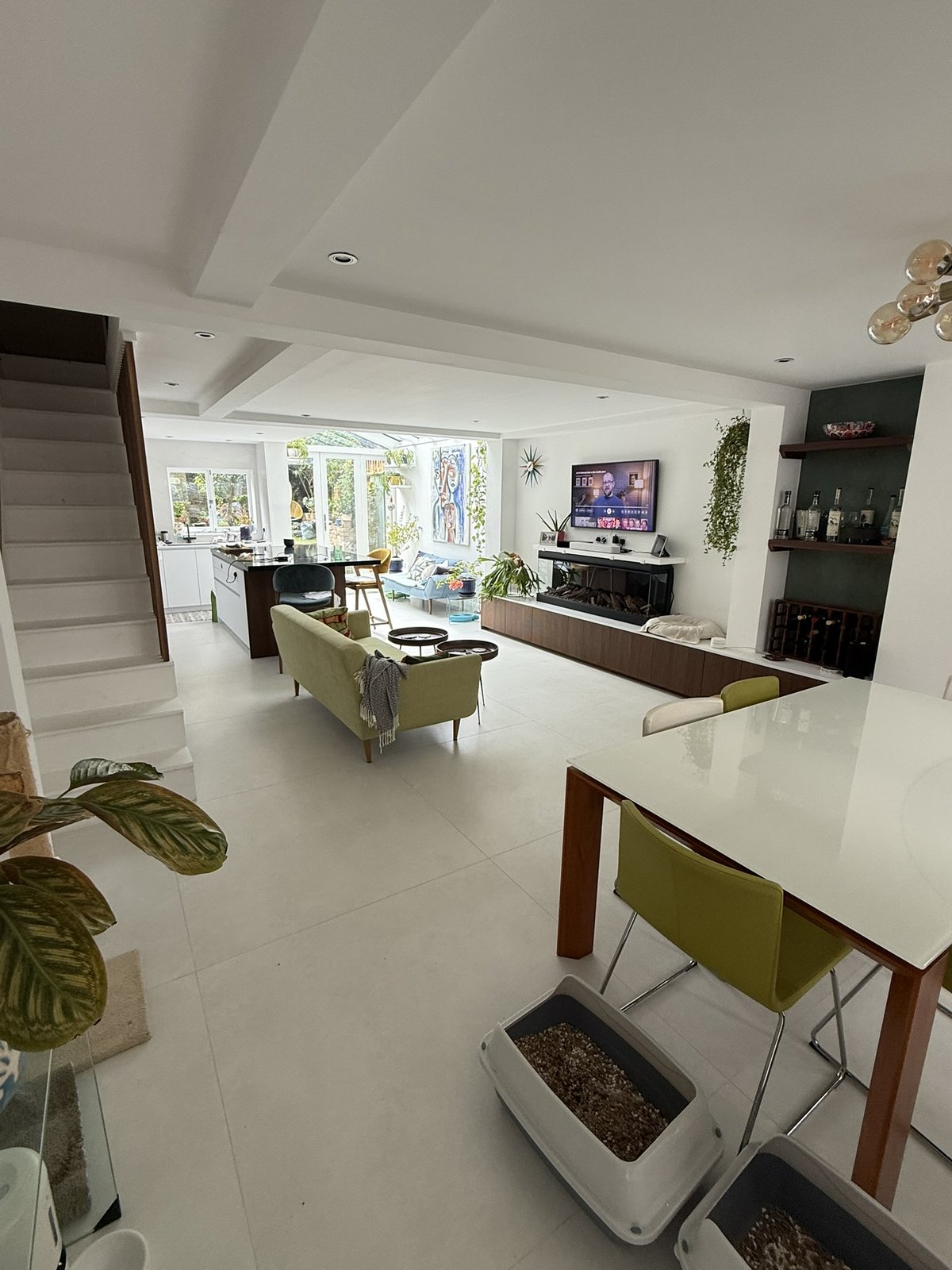
Completed by our own team
Concerned about damp, cracks or loose render?
Our 5-star Google rating is a source of pride. Arrange a survey, explore our reviews or speak with our specialists on 020 8432 3350.
Qualified Specialists & a 10-Year Guarantee
Our family-run team holds CSSW qualifications, with a minimum of 10 years’ experience each. We back every job in West Wickham with a 10-year guarantee covering workmanship, plus a QANW Insurance Backed Guarantee that transfers to the new owner if you sell your property. We work on domestic and commercial properties in West Wickham and across London and the South East.

See What Our Clients Say
★★★★★ Rated 5 stars on Google
We are proud of our 5-star Google rating: see our reviews. If your basement or property in West Wickham is damp or takes in water, book a survey in our Booking Survey section, or call or message our fully qualified advisors.
Our coverage area
Interior and exterior waterproof render around West Wickham
For walls inside and outside, Crystal Damp Proofing & Basements Ltd applies waterproof render in West Wickham and nearby areas, including Shortlands, Beckenham, Bromley and Croydon. Select an area below to view its local page.