

Leave your details and our team will get in touch.
Request a call back
Structural Crack Repair in Belgravia
Structural crack repair to stabilise walls permanently, without demolition or months of building work.
Cracks in walls are not just a cosmetic problem. They can be a sign that the structure is losing stability, and hairline cracks can widen over time, weakening the walls and letting in water. Our structural crack repair service finds the cause, repairs it properly and makes sure the cracking does not come back.
Crystal Damp Proofing & Basements Ltd repairs cracked walls in Belgravia SW1X, across London and the South East. In Belgravia, as elsewhere, it makes sense to resolve ongoing cracking before insulating or redecorating.
How we repair cracked walls
- Helical bar crack stitching: stainless steel bars set into mortar joints to bridge the crack.
- Resin injection: epoxy creates a rigid structural bond, while polyurethane keeps water out.
- Underpinning and strengthening: planned with our structural engineers where the ground is moving.
- Waterproofing below ground: addresses basement wall cracks that allow water through.
What causes walls to crack?
A crack is a sign of an underlying issue. We establish what is moving, and why, before choosing a repair. Common causes include:
- errors during foundation construction,
- roof structures that were poorly designed or built,
- ground settling unevenly,
- clay soil contracting as it dries, often close to trees,
- leaking drains eroding ground beneath foundations,
- construction work at neighbouring properties,
- vibration from heavy traffic,
- alterations in groundwater and soil conditions.
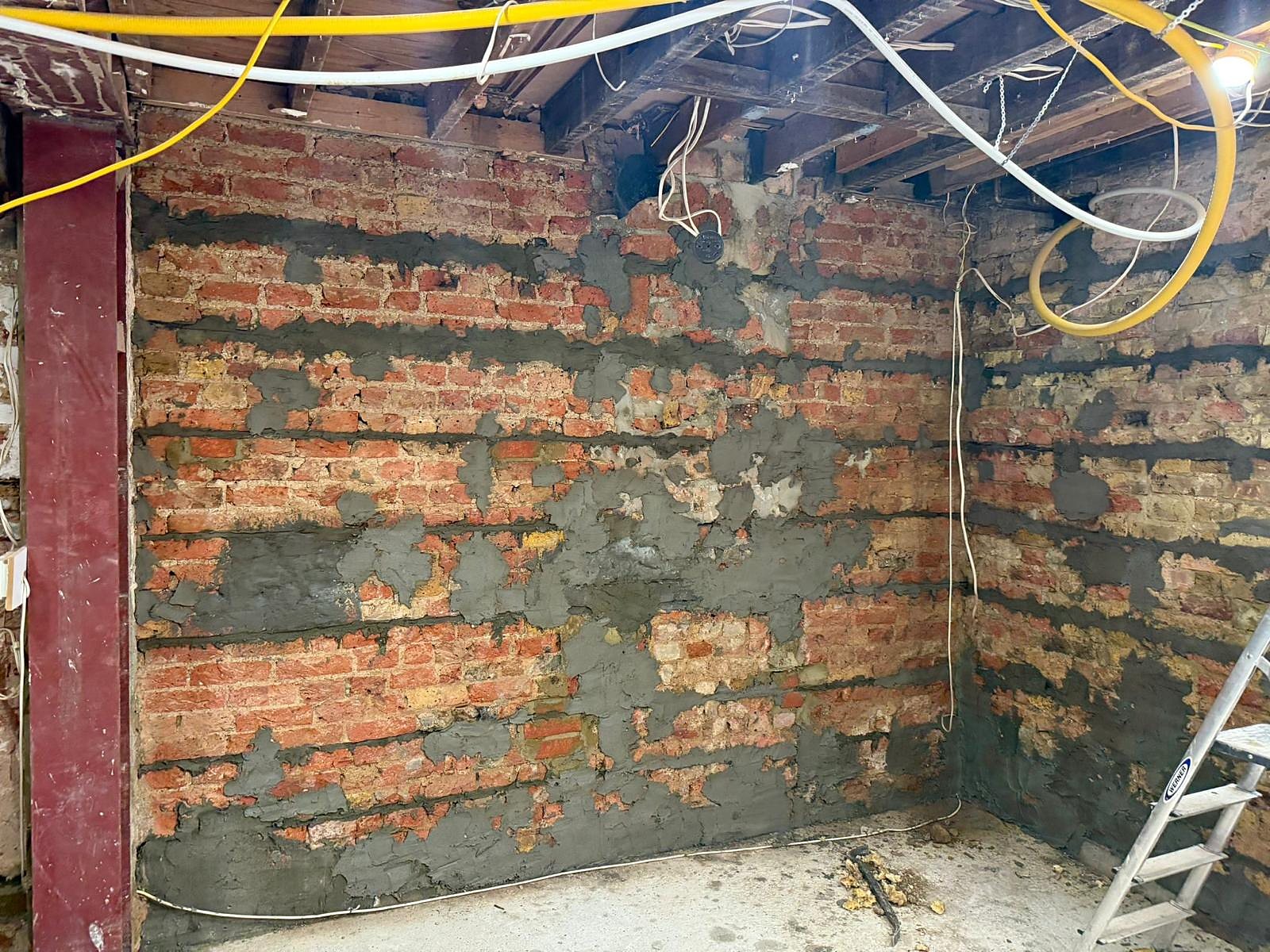
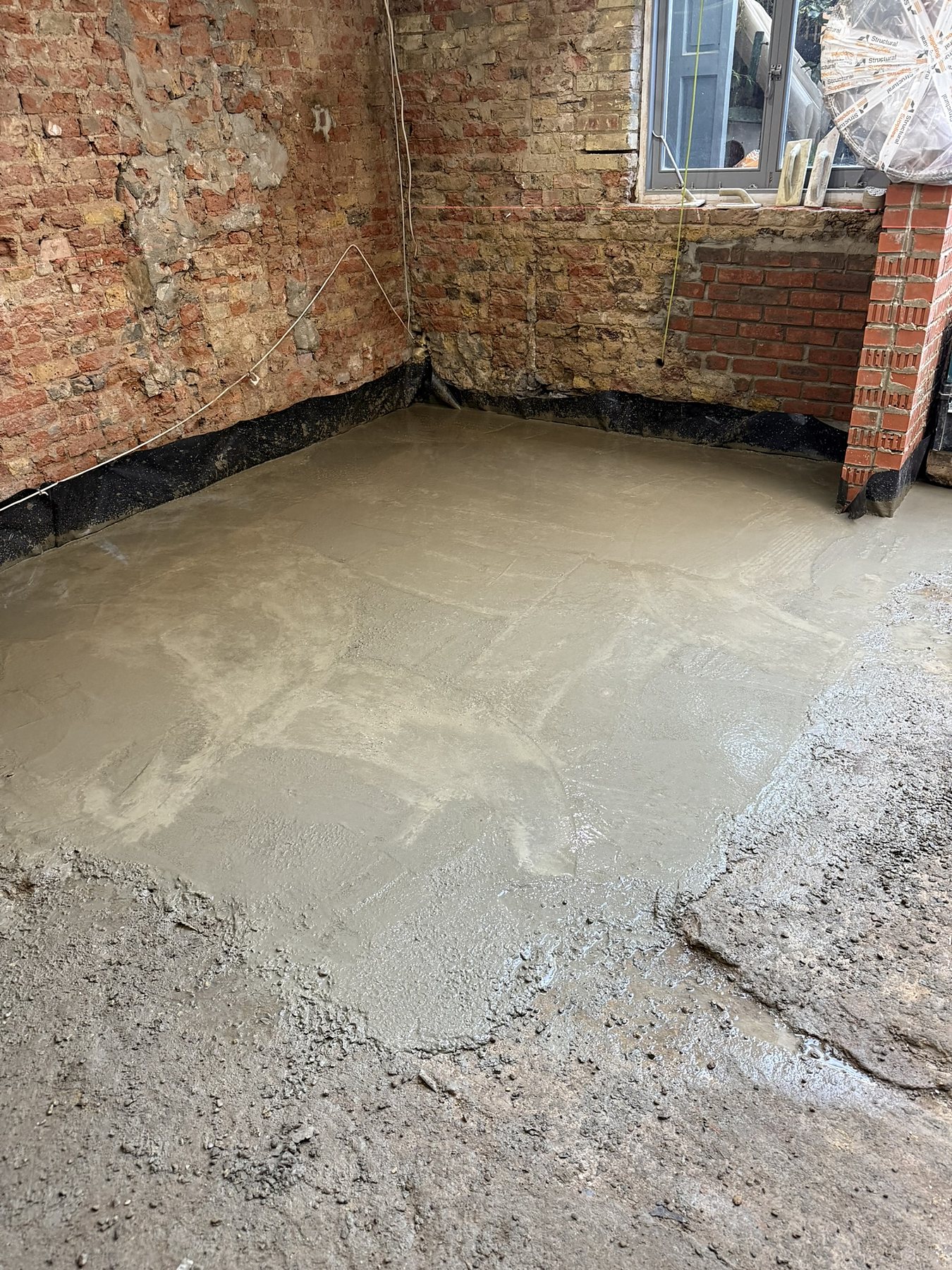
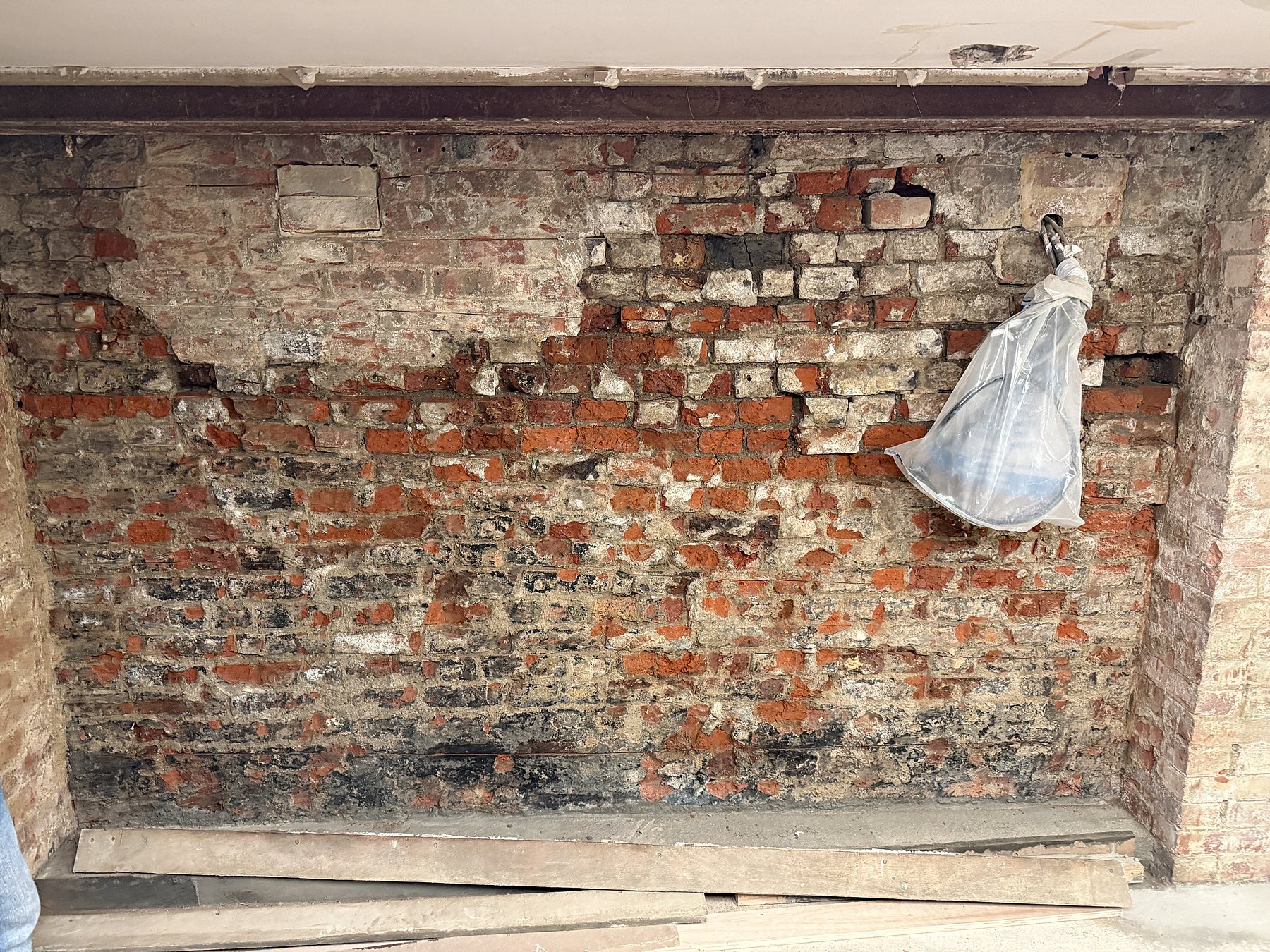
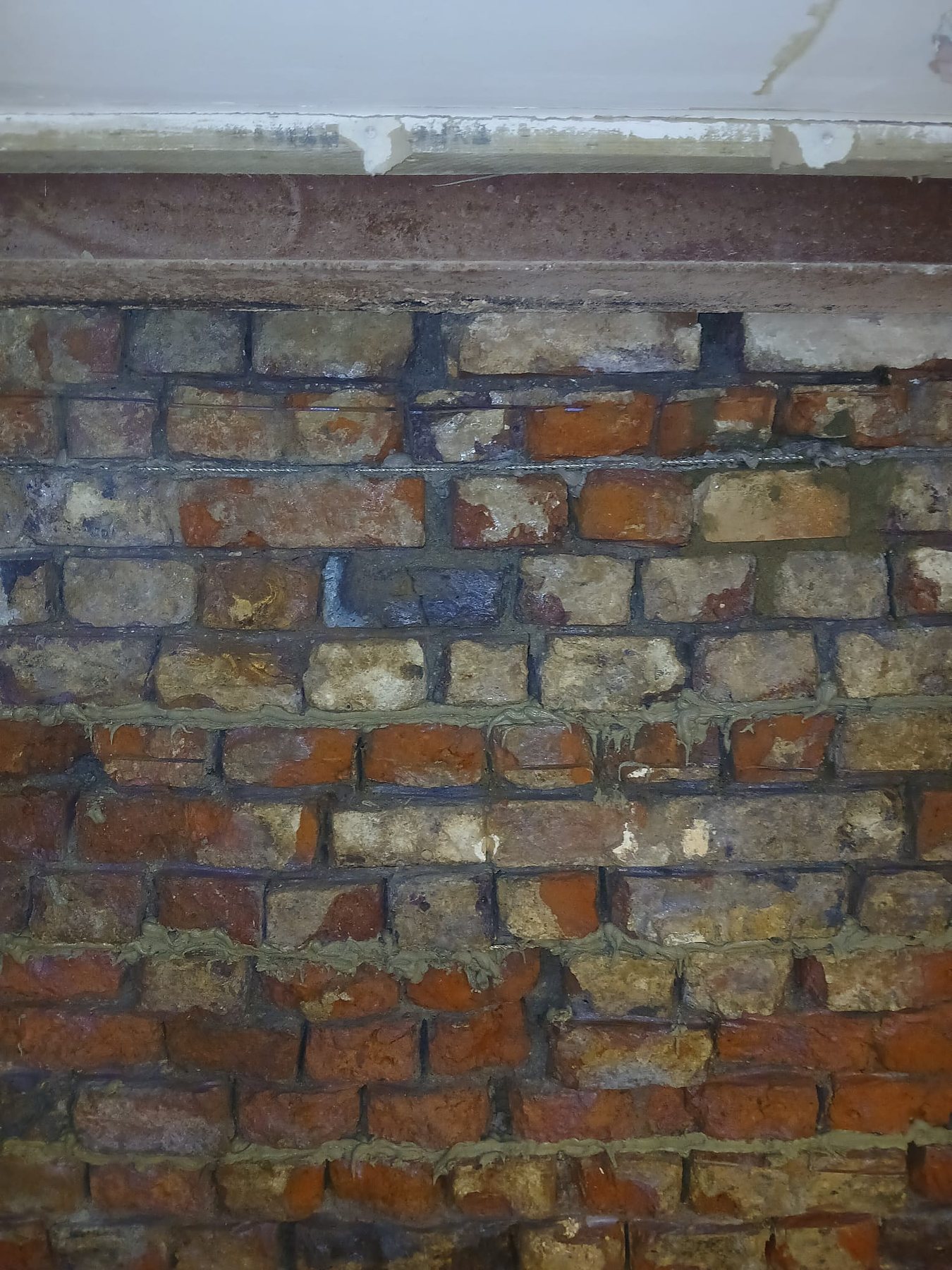
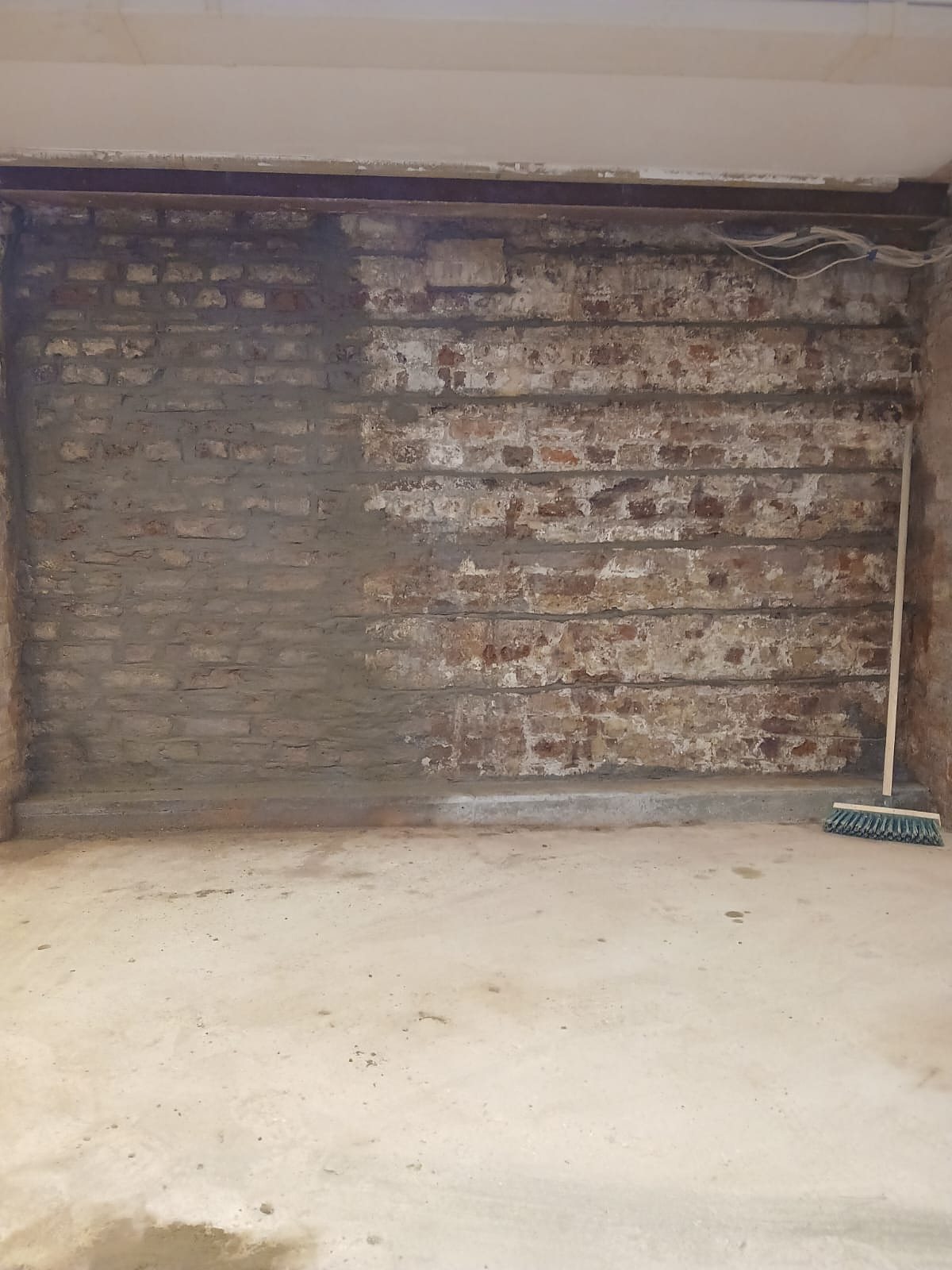
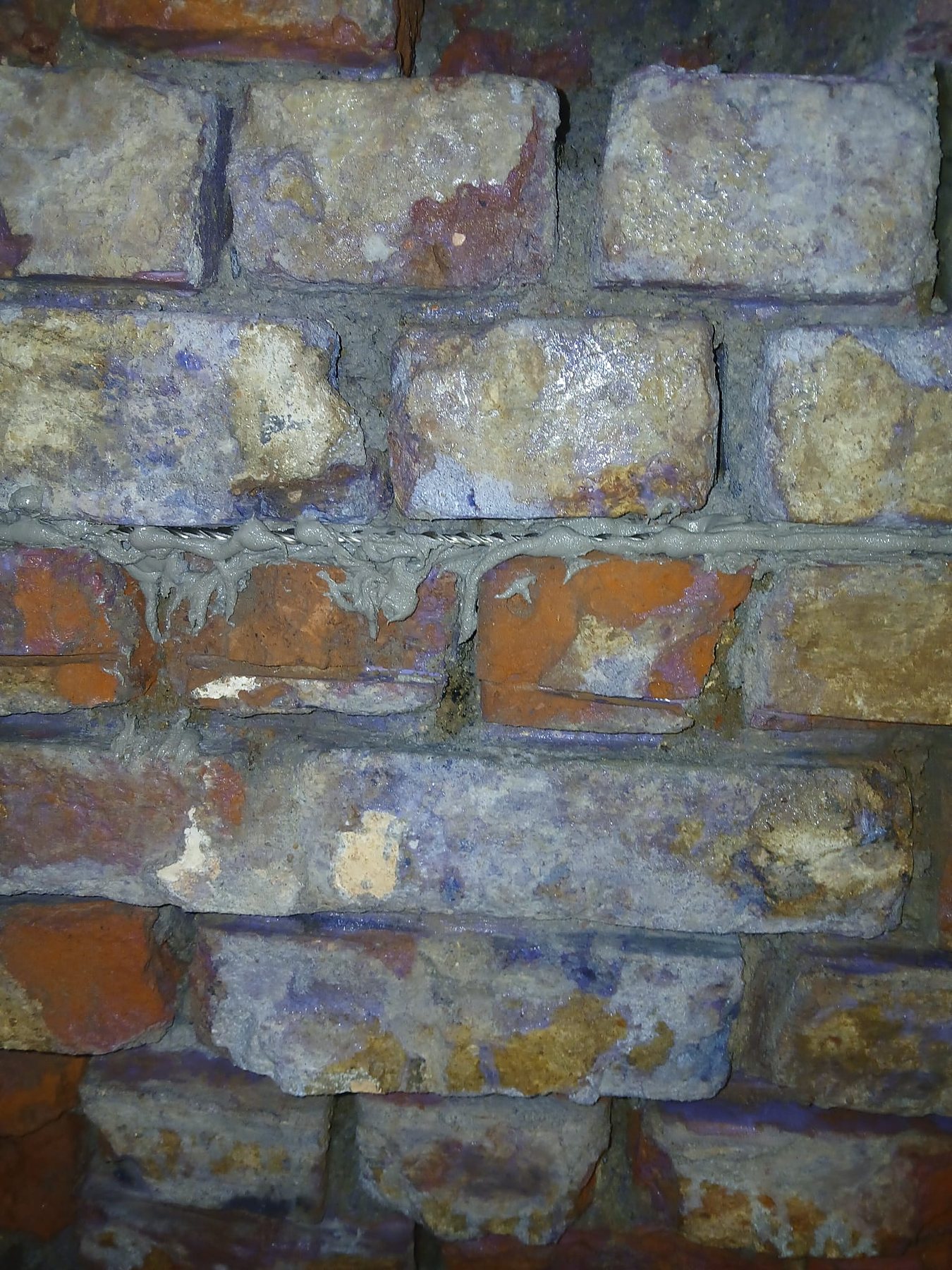
The photos show the wall before the crack repair and after it.
Cosmetic or structural
Is a wall crack cosmetic or structural?
Some cracks are only cosmetic, but others need prompt attention; these are the signs we check first.
How wide is the crack?
- Under about 1–2 mmUsually a harmless finishing defect, such as plaster shrinking as it dries.
- Between about 2 and 3 mmBest monitored, to see whether the crack is still growing.
- Wider than about 3–5 mmTreat it as structural damage and have it assessed.
In the UK, BRE Digest 251 classifies damage by crack width, ranging from hairline (under 0.1 mm) to structural damage (over 25 mm).
Crack shape and other warning signs
- Diagonal or steppedCracks at around 45°, or stepped along the mortar joints of brickwork.
- Horizontal in a basementThis can indicate pressure against the foundation walls.
- Other warning signsWindows or doors beginning to stick, visibly sloping floors, or a crack running through the wall and showing both inside and outside.
Crack types
Types of crack and what causes them
The pattern of a crack helps us identify its likely cause and judge how urgently it needs attention.
Step 1
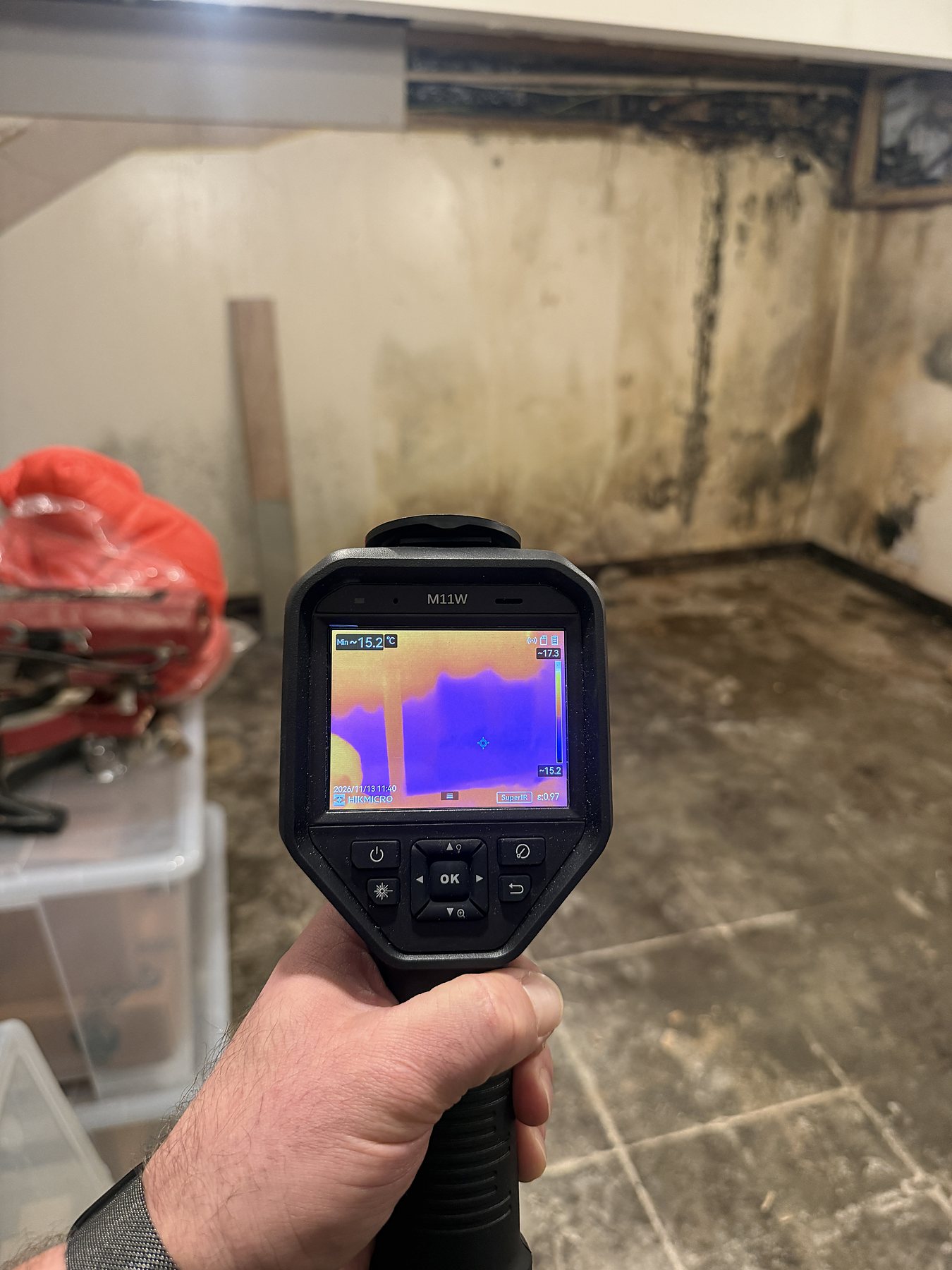
Step 1: Diagnose the cause and assess safety
Why filler alone cannot solve the problem
Filler or plaster only conceals a structural crack. If the building continues to move, the fresh material can split again within months. Effective repair means finding and addressing the cause, then stabilising the wall.
We therefore begin each repair with a diagnosis:
- Inside-and-out inspection: we examine both faces of the wall, check for damp and use thermal imaging to investigate whether water is entering through the crack.
- Structural engineer input: working with our structural engineers, we identify causes such as settlement, building defects or excessive loading, then prepare a technical report or repair design.
- Monitoring the crack: glass, plaster or digital tell-tales help establish whether the crack remains active and is growing, or whether movement has ceased.
Steps 2 and 3
Strengthen the structure before repairing the crack
After identifying the cause, we strengthen the structure where necessary before repairing the visible cracks.
Step 2: Structural strengthening
If the problem originates in the ground or the building structure:
- UnderpinningThis may be needed if the building is settling. Planned with our structural engineers, options include mass concrete, mini-piles or geopolymer resin injected into the ground; the resin expands, compacts the soil and can help level a building. See basement conversion and underpinning.
- Wall ties and lintel replacementRestore the integrity of the building and secure window and door openings.
Step 3: Repairing the cracks
- Helical bar crack stitchingFor brick and block walls, stainless steel bars are bonded into mortar joints to carry tensile stresses across the crack with minimal intervention.
- Resin injectionEpoxy forms a rigid bond in cracked concrete that is stronger than the concrete itself; flexible polyurethane foams when it meets water and seals it out.
- Rebuilding and repointingFor badly damaged sections where stitching alone is not enough. See render and repointing.
Step 4
Step 4: Stop leaks and restore basement waterproofing
Groundwater can enter through basement cracks. We first stop the leak by sealing the concrete from inside, then reinstate the vertical or horizontal waterproofing.
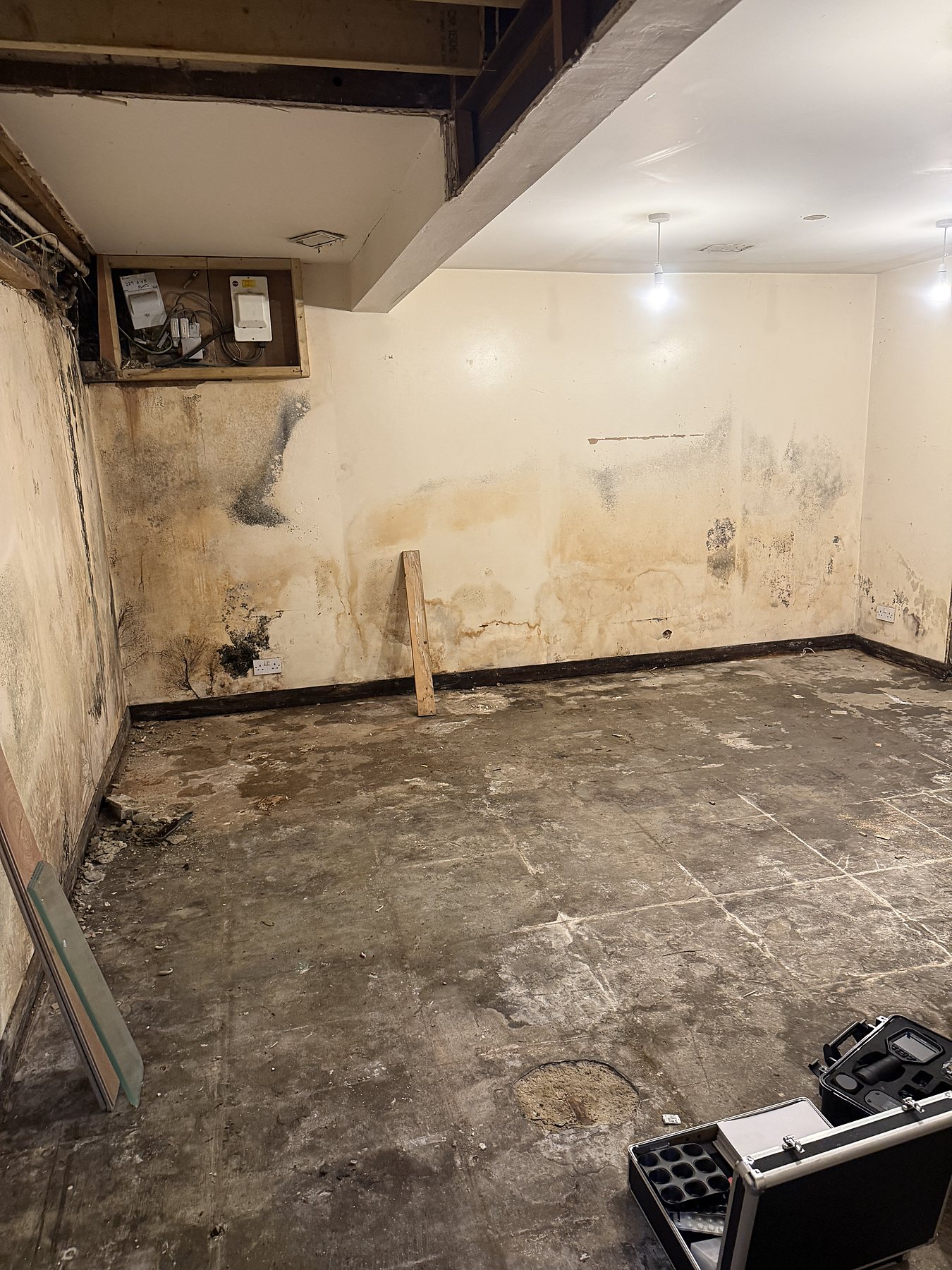
Stop the water before finishing: we do not cover a leaking crack; we seal the leak first and then restore the waterproofing.
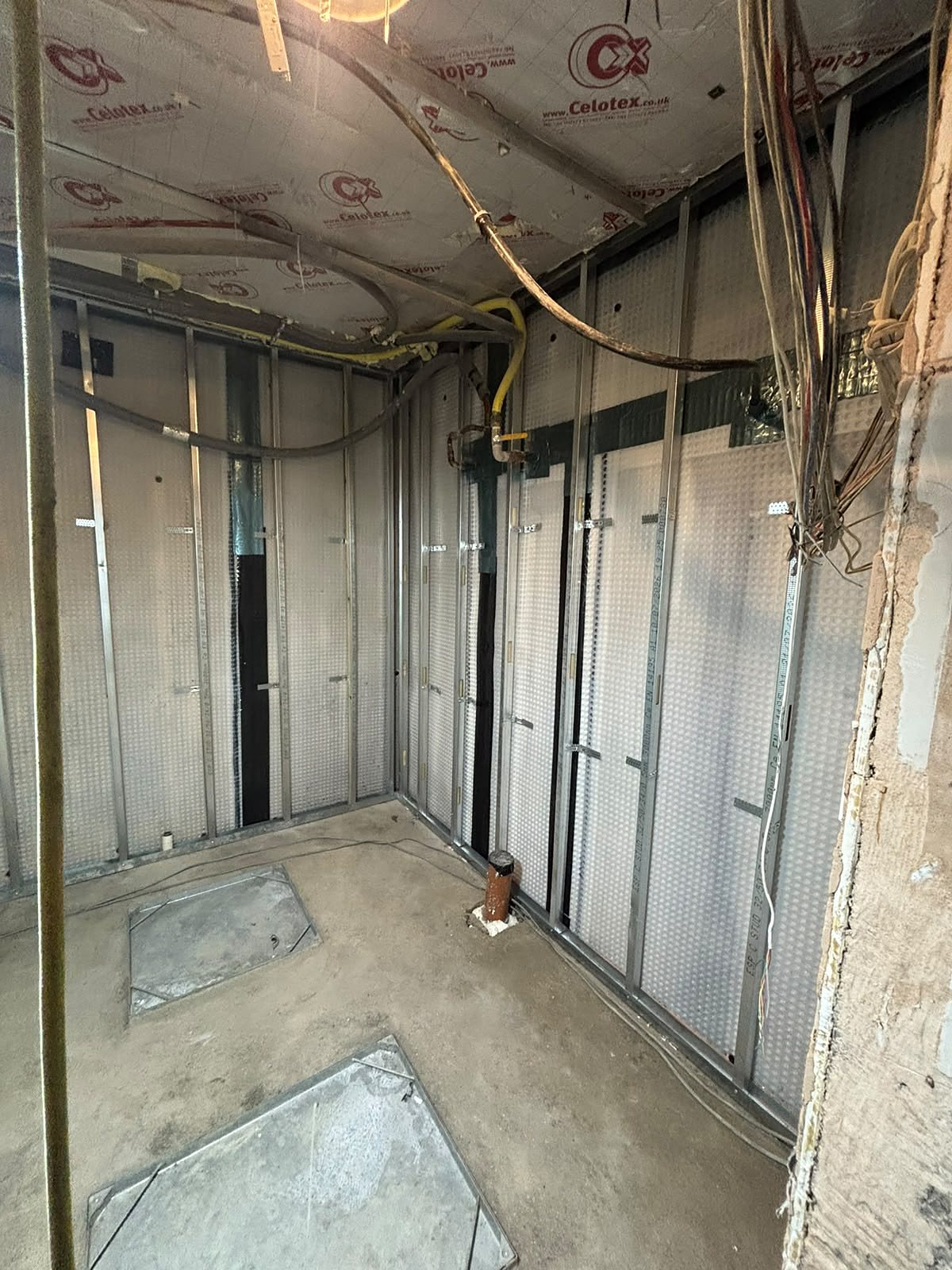
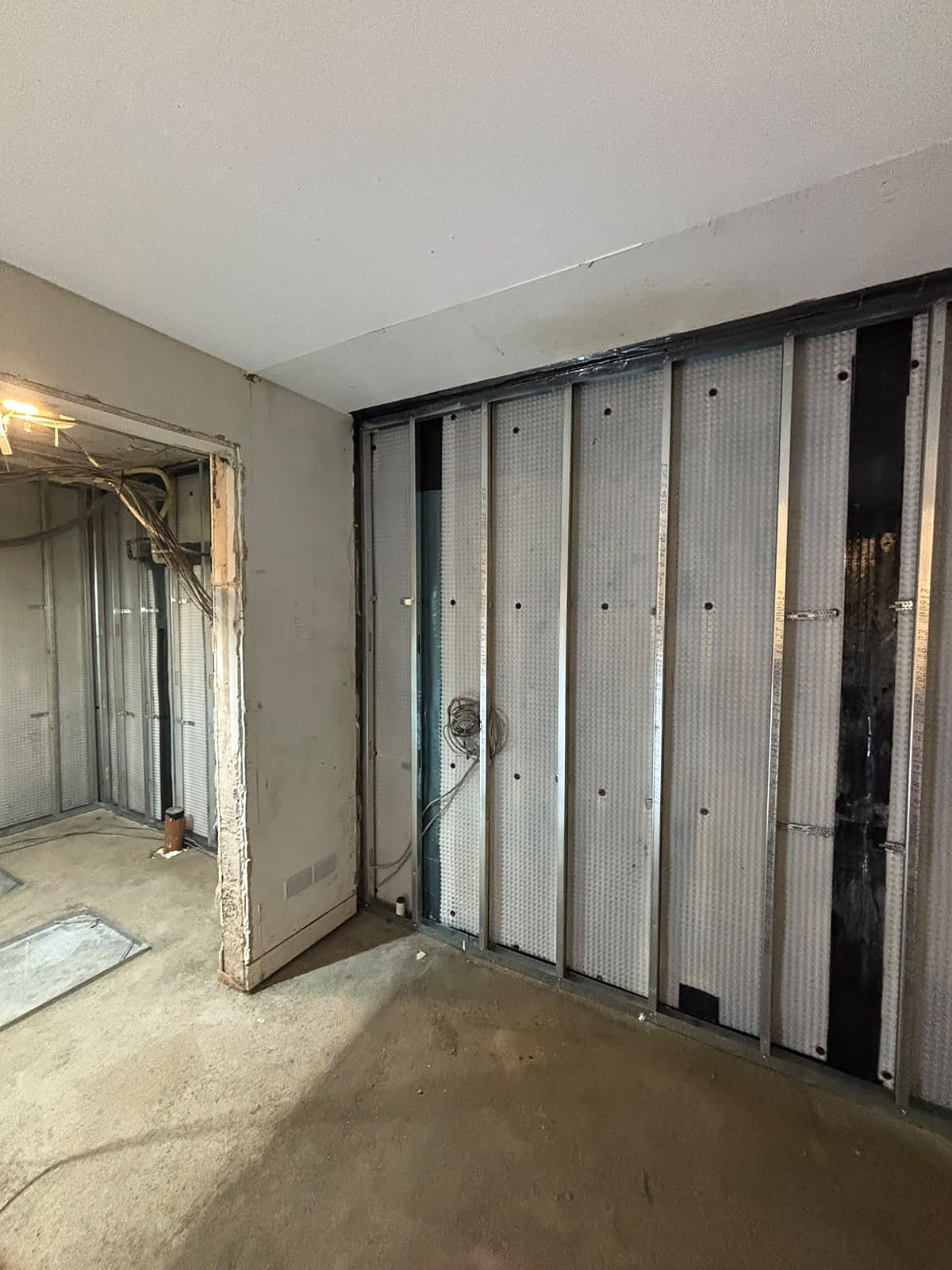
If cracks reopen: a Type C membrane
If a basement has numerous structural cracks associated with building movement or vibration from a nearby road, we use a Type C cavity drain membrane system.
Should a crack reopen, water passes behind the membrane into the drainage and is pumped away rather than reaching the room. Learn more about penetrating damp in basements.
How we install helical bars and why they work
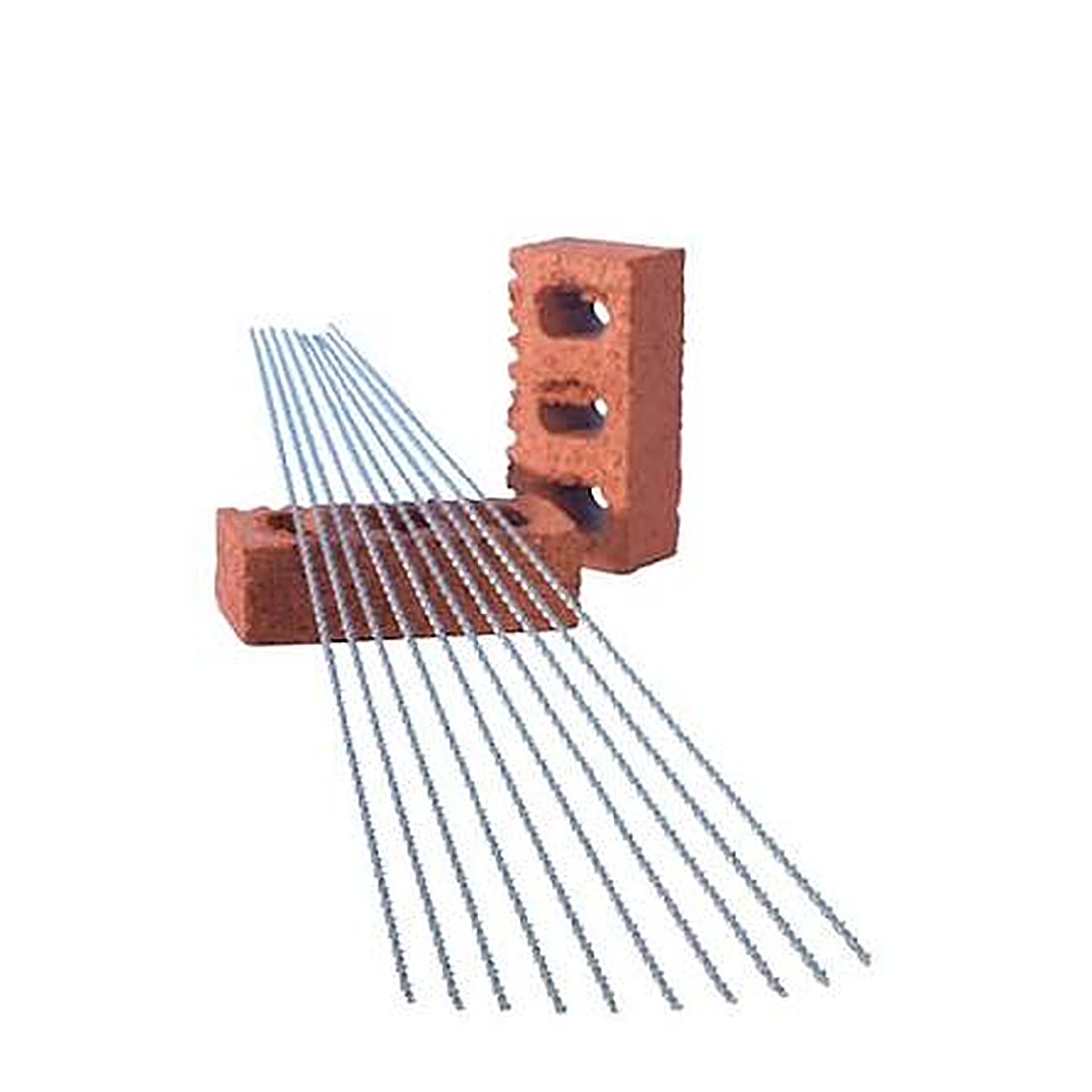
Helical bars are spiral-shaped stainless steel rods bonded into masonry. Working with the wall, they:
- transfer tensile and shear stresses across a crack,
- reinstate continuity and load-bearing capacity in the damaged wall,
- distribute stresses across a broader area of masonry,
- help prevent further cracking in the repaired area.
How we install them
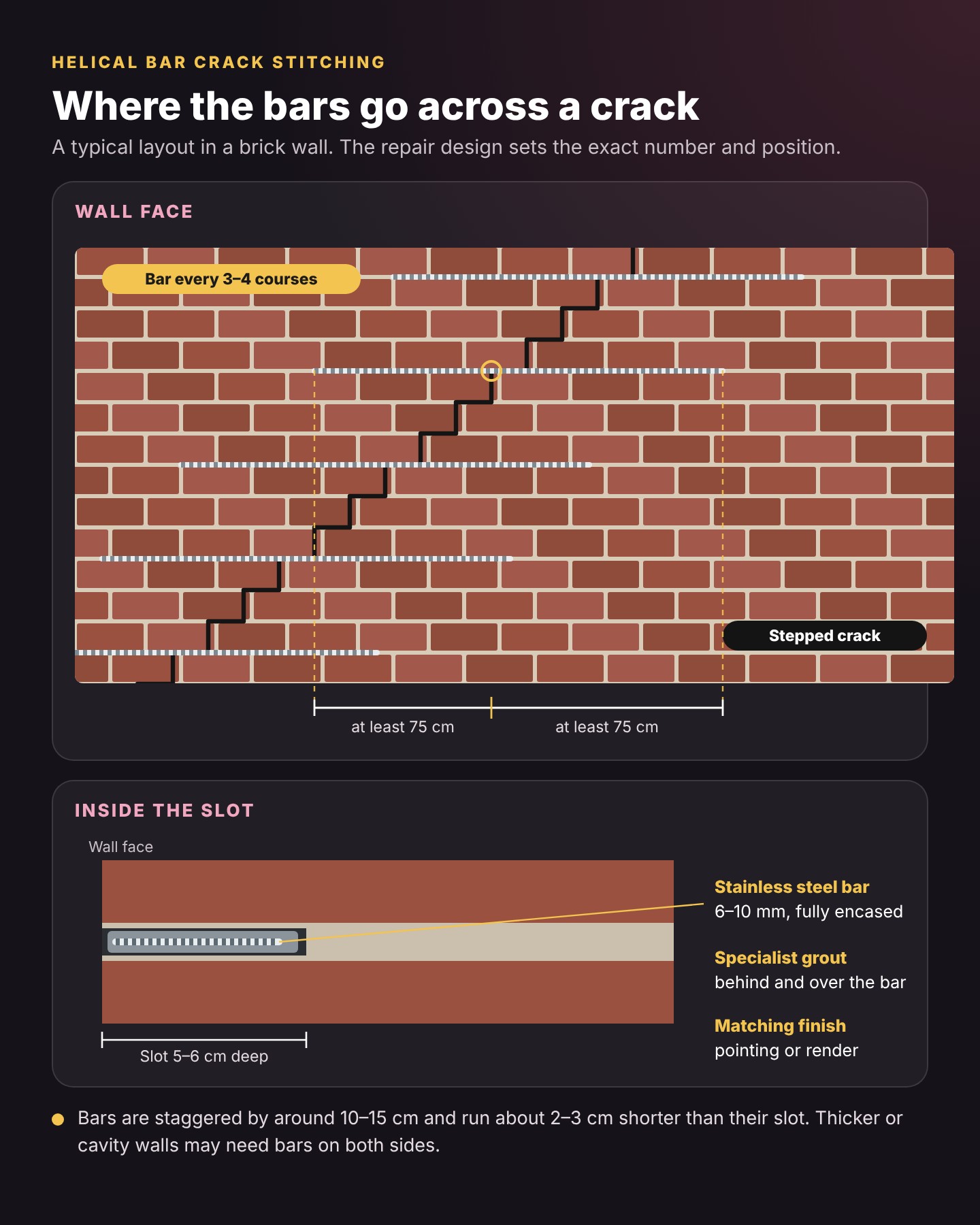
- Cut the slots: we form horizontal slots through the mortar joints across the crack, around 5–6 cm deep, typically every 3–4 brick courses or as specified in the repair design. Each slot reaches at least 75 cm beyond the crack on either side.
- Prepare the slots: we clear out dust and debris, dampen the masonry if necessary and apply a bonding coat where required.
- Fit the bars: we add specialist grout, set in a suitably sized bar (usually 6–10 mm) about 2–3 cm shorter than the slot, then add more grout to encase it fully.
- Make good: once the grout has set, we finish the slot with matching render or pointing mortar, leaving the repair practically invisible.
The bars are staggered vertically by around 10–15 cm. Thicker walls and cavity walls may require bars on both faces; the repair design determines their minimum number and placement.
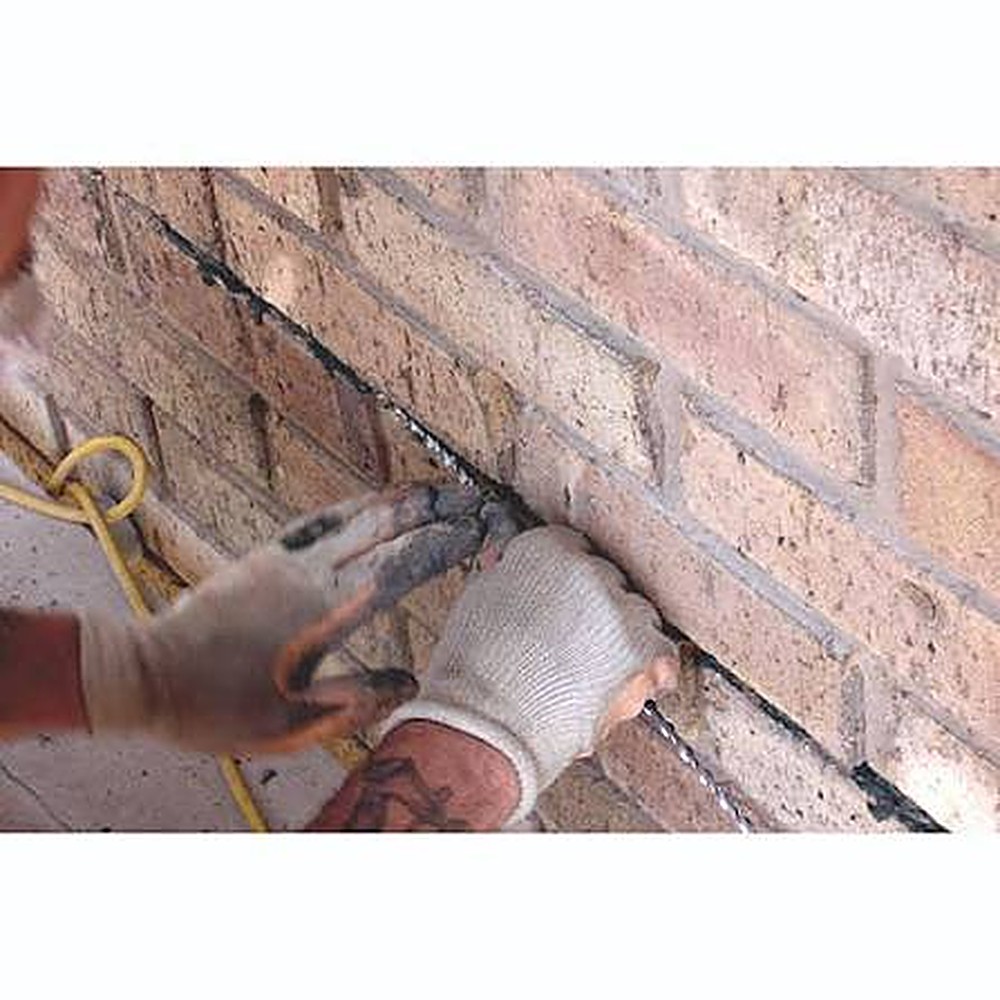
Helical bars
Getting the repair right
Why the right number of bars matters
A rope carries a heavy load because its many fine fibres share the strain. Take away most of those fibres and it can snap, even though some remain. Likewise, installing two bars where a cracked wall needs five or six because it costs less or takes less work will not hold it together. The stresses remain, cracking worsens and the money spent on the repair is wasted.
The material holding the bars matters too. Standard tile adhesive cannot replace specialist helical bar grout: it does not offer the same bond, flexibility or durability, and that shortcut can mean another repair at double the cost. We follow the repair design, using the specified number of bars and suitable materials.
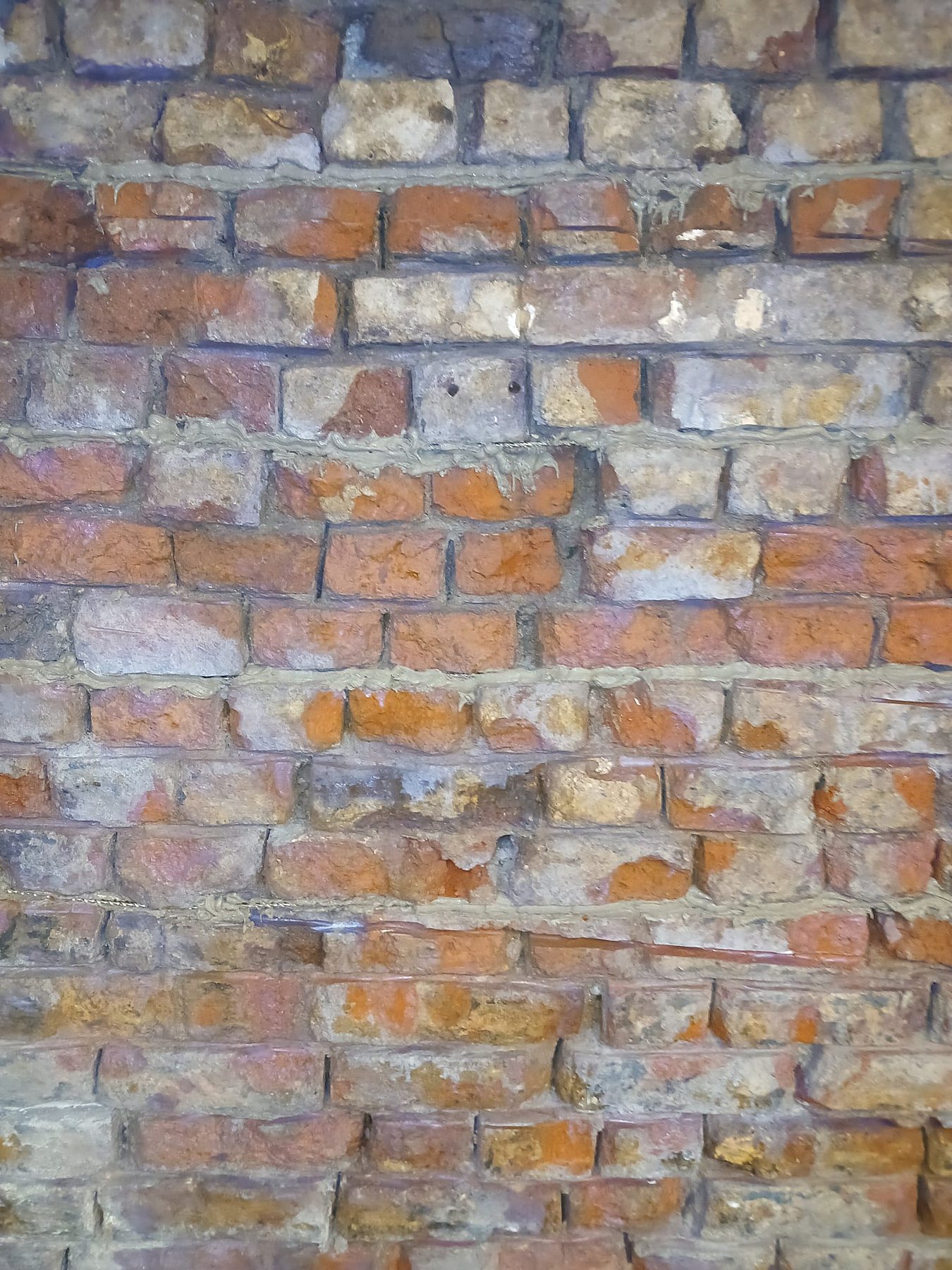
Why helical bars
Benefits of helical bar crack stitching
Helical bars are often the least disruptive option for restoring lasting strength to cracked brick or block walls.
What you gain
- A discreet finish: the completed repair is practically invisible.
- Quick installation: standard building tools keep dust and disruption limited.
- Enduring strength: permanent reinforcement without extensive demolition.
- Use across building types: suitable for new builds, period homes and listed properties.
- Limited intervention: minimal disturbance to the building's structure.
Found a crack? Tell us these three things
When you contact us, a photo helps, along with a description of:
- Its direction: is it vertical, horizontal, diagonal or stepped along the mortar joints?
- Its width: could you fit a coin, matchstick or finger into the gap?
- Any moisture: can you see damp patches or mould, or does water enter when it rains?
These details help us offer an initial view of the likely cause and arrange a survey.
Related services
Support from foundation work to finishing
Cracking may also involve foundation work or water ingress. Our waterproofing installations come with a 10-year guarantee and a QANW Insurance Backed Guarantee.
Basement Conversion & Waterproofing
Engineer-designed underpinning and new basements.
Basement Waterproofing
Type C cavity drain membranes for basements with cracks and leaks.
Thermal Inspection
Identify where water enters through a wall crack.
Waterproof Render Interior & Exterior
Repointing and render following crack repairs.
Penetrating Damp
Stop water entering through cracked walls.
Insurance Backed Guarantee & Product Warranty
Protection transferable with your home.
Questions
Structural crack repair: common questions
When is a crack in a wall structural?
A crack wider than about 3–5 mm, a diagonal or stepped pattern, a horizontal basement crack or cracking visible on both faces of a wall usually suggests a structural issue. Cracks under about 1–2 mm are generally defects in the finish.
How are cracks in buildings graded?
In the UK, BRE Digest 251 grades damage by crack width: hairline cracks (under 0.1 mm), fine cracks (up to 1 mm), then cracks up to 5 mm, 5–15 mm and 15–25 mm, with structural damage over 25 mm.
Can a cracked wall be repaired without rebuilding it?
In many cases, yes. Helical bar crack stitching can restore strength to brick and block walls without demolition, although severely damaged areas may need rebuilding and repointing.
Do I need a structural engineer?
Yes, for structural cracking. Our structural engineers work with us to identify the cause and produce a technical report or repair design ahead of the work.
Will the crack come back after the repair?
Addressing the underlying cause first is essential to stopping a crack returning. We diagnose the issue, monitor it where necessary and strengthen the structure before repairing the crack.
Can you repair a crack that lets water into my basement?
Yes. We use pressure-injected polyurethane resins or acrylic gels to stop the leak, then restore the waterproofing. If cracks may reopen, we install a Type C cavity drain membrane.
Does underpinning affect my neighbours?
Excavation close to a neighbour’s foundations may fall under the Party Wall etc. Act 1996, requiring notice to be served. This is general information rather than legal advice; consult GOV.UK guidance or a party wall surveyor.
How do I book a crack survey in Belgravia?
Arrange a survey online or speak to our specialists on 020 8432 3350 or 07720 752231. Surveys more than 10 miles from our base are charged in line with our price list.
Free consultation
Arrange a crack survey in Belgravia
Concerned about cracking in your walls? Get in touch for a free consultation or survey. Let us know the crack's direction and width, and whether you have noticed damp. Surveys more than 10 miles from our base are charged according to our price list. Speak to our specialists on 020 8432 3350 or 07720 752231.
07720 752231
Describe the crack
Please complete all fields marked *. We will contact you after receiving your details to arrange the survey.
Local context
Assessing cracked walls in Belgravia
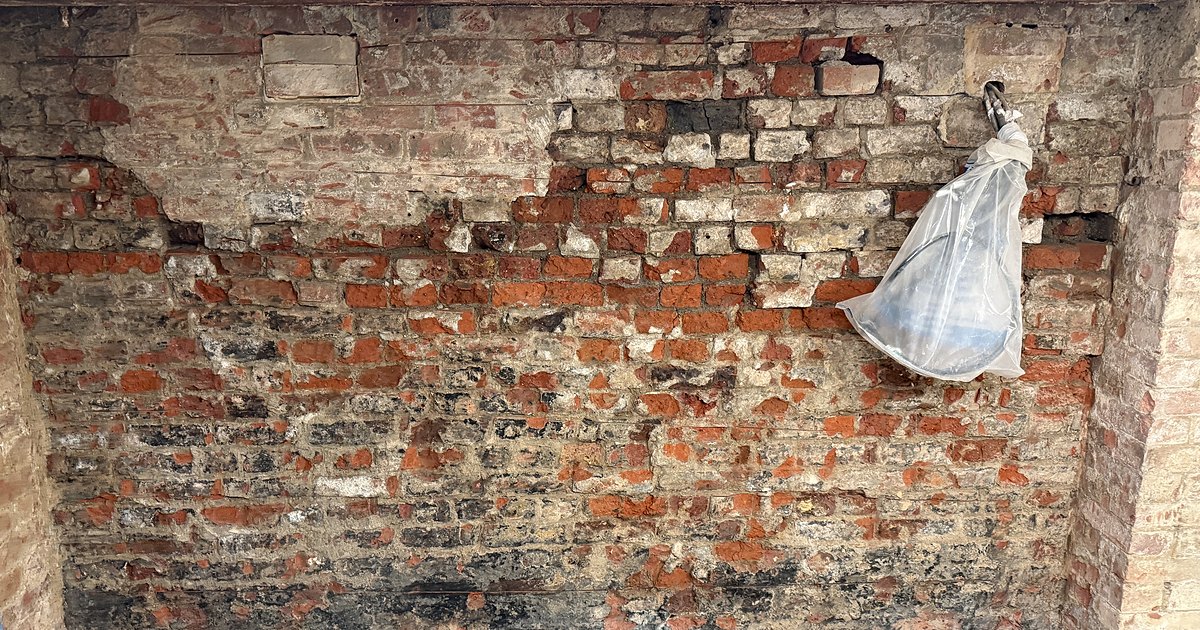
Belgravia's stucco-fronted terraces and garden squares give the area a distinctive character, but no streetscape tells us why an individual wall has cracked. Around Belgravia, we assess the building itself before recommending structural crack repair rather than relying on assumptions about its setting.
Our inspection considers each crack's width, shape and direction, whether it appears inside and outside, and any sticking doors or windows. We also check nearby trees and drains, damp and signs of continuing movement. The findings guide our choice of monitoring, crack stitching, structural strengthening or a combination.
Get your walls stabilised
We are proud of our 5-star Google rating. If cracks have appeared in your walls, arrange a survey through our Booking Survey section or speak to our specialists on 020 8432 3350 or 07720 752231.
Qualified Specialists & a 10-Year Guarantee
Our family-run team holds CSSW qualifications, with a minimum of 10 years’ experience each. We back our work in Belgravia with a 10-year guarantee covering workmanship, plus a QANW Insurance Backed Guarantee that transfers to the new owner if you sell your property. Based in Croydon, we work on domestic and commercial properties across London and the South East.

See What Our Clients Say
We are proud of our 5-star Google rating. Book a survey in our Booking Survey section, or call our specialists on 020 8432 3350 or 07720 752231.
Where we work
Structural crack repair in Belgravia and surrounding areas
For structural crack repair in Belgravia or nearby areas, including Chelsea, Piccadilly, South Kensington and Mayfair, contact Crystal Damp Proofing & Basements Ltd. Select an area below for its local page.