

Leave your details and our team will get in touch.
Request a call back
Rising Damp Treatment in Richmond
Stop ground moisture rising and protect your walls from further damp.
The right rising damp treatment begins with an accurate diagnosis. Moisture can travel upwards unnoticed, damaging plaster and masonry before tide marks, a musty smell or mould make the problem obvious.
At Crystal Damp Proofing & Basements Ltd, we investigate rising damp in Richmond TW9, identify its cause, install a crystalline damp-proof course through crystalline DPC injections and restore affected walls.
What we examine during a survey
Because rising damp can affect more than the visible finish, our survey considers:
- The foundations: persistent moisture can weaken mortar in older brickwork and corrode reinforcement in concrete.
- The lower part of the walls: up to around 1–1.2 metres, where we look for salt deposits, loose plaster and peeling paint.
- The existing damp-proof course: whether one is present, its position and whether it is slate, bitumen felt or plastic.
- Timber: including joist ends, floor joists and door frames. Moisture above 20% creates conditions for wood-destroying fungi.
- The wall-to-floor junction: a common entry point for water under pressure in a basement.
Understanding capillary rise
What causes rising damp?
Rising damp occurs when ground moisture moves upwards through the fine pores, or capillaries, in brick, stone, concrete and mortar. Like water soaking into a paper towel, it rises through adhesion to the material and cohesion within the water. It commonly reaches several tens of centimetres and, in extreme cases, a metre or more. Finer pores allow a higher rise, while a high water table adds pressure. If the damp-proof course (DPC) is ineffective, moisture can continue to climb. Common reasons include:
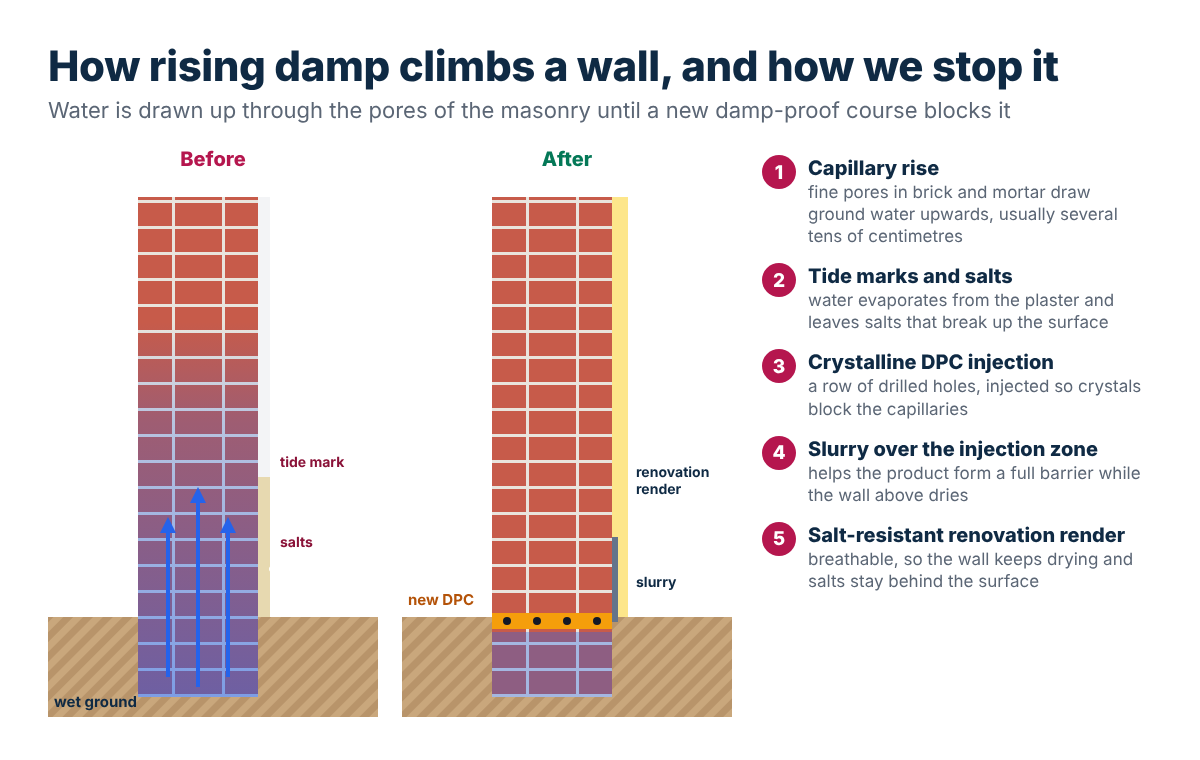
Why covering the stain does not solve it: fresh paint or plaster may conceal damp temporarily, but moisture and salts continue to move through the wall. Mould and visible damage can return unless an effective barrier stops the rising water.
Signs of rising damp in your home
A darkened strip near the bottom of a wall may be the first clue. As moisture builds, look for these signs:
- Tide marks: staining or a damp band near floor level, often reaching up to about a metre.
- Salt deposits: pale powder or small crystals forming on the plaster.
- Blown plaster and flaking paint: a hollow sound, crumbling surface or finish pulling away from the wall.
- Decaying skirting boards and timber floors: wood beside the wall becoming soft, discoloured or rotten.
- Cold walls: damp masonry feels chilly and makes the room more difficult to heat.
- A musty smell and mould: a lingering damp odour and dark growth close to the floor.
- Damaged masonry: failing joints and cracks, followed over time by deterioration of brick and mortar.
You may notice only some of these symptoms. A surface finish can mask them for a while, even as moisture continues to damage the wall beneath.
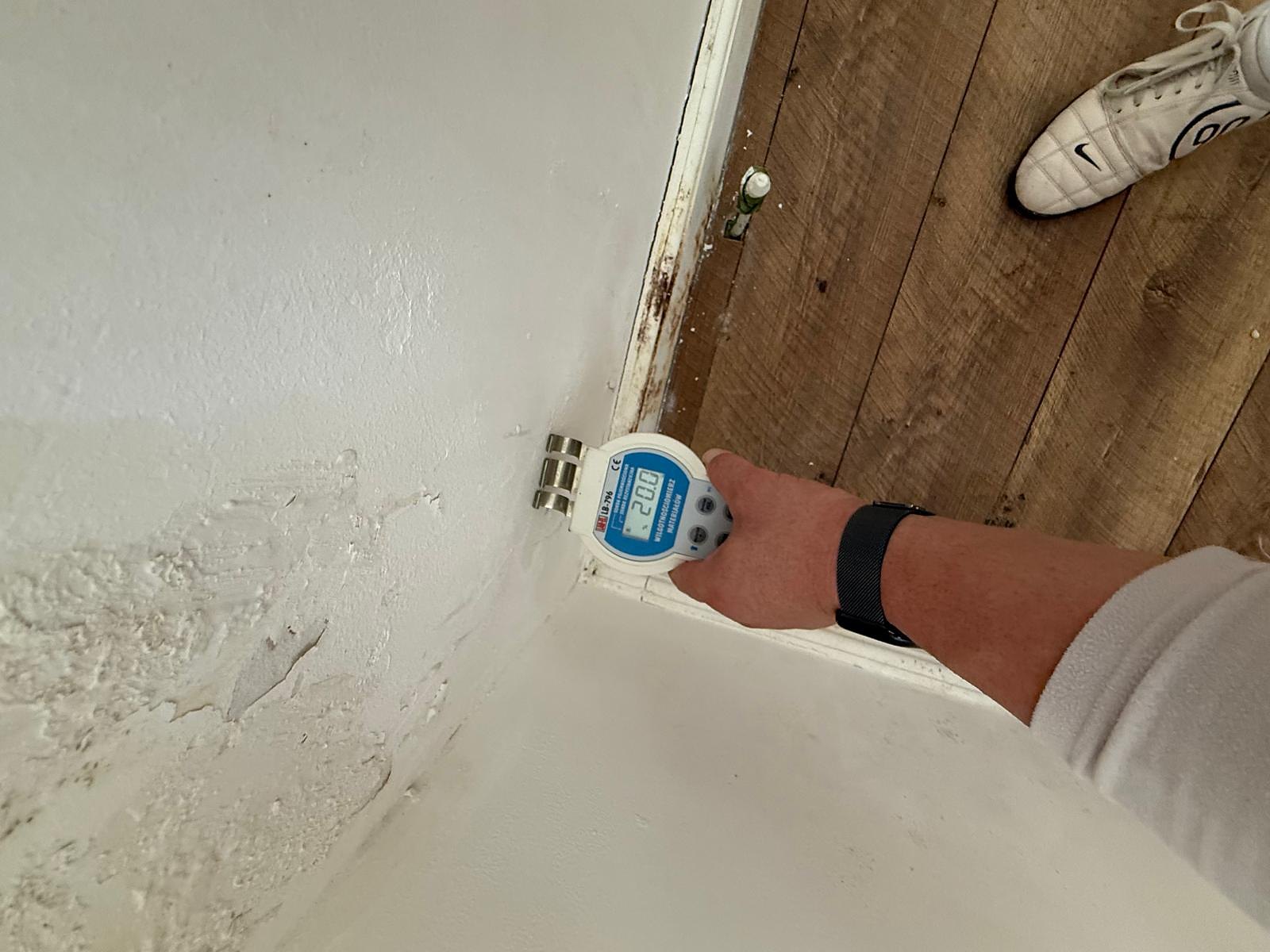
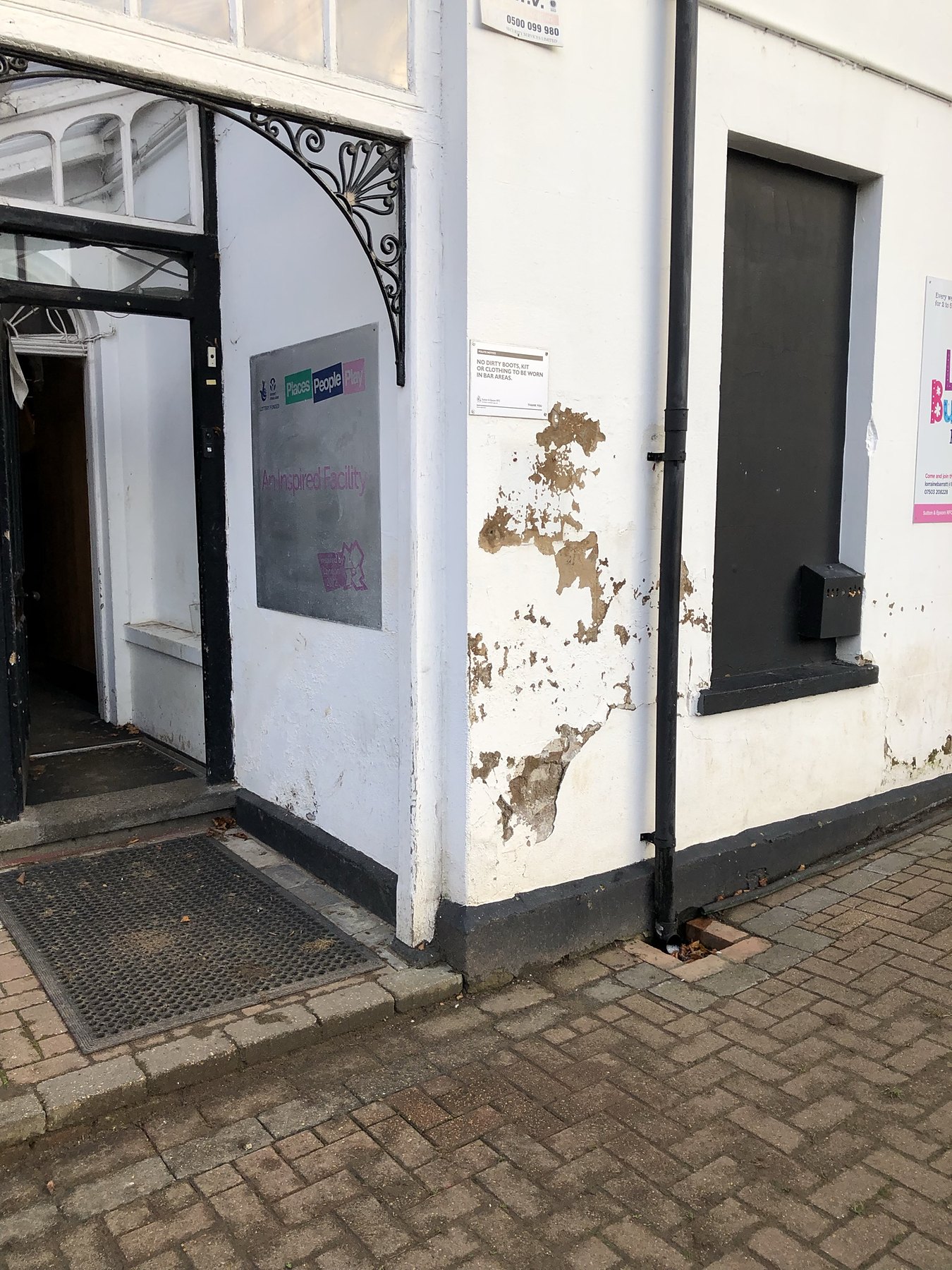
What rising damp can look like
Treating rising damp
How we treat rising damp
Once we have surveyed the property, we select the approach suited to its walls and the cause of the damp:
- Crystalline DPC injection (our main method): we drill a line of holes and introduce a crystalline product into the wall. It crystallises within the capillaries to form a permanent barrier against rising moisture, without the disruption of cutting through the wall. Learn more about crystalline DPC injections.
- Physical damp-proof course: for particularly difficult situations, we cut the wall in sections, insert a solid damp-proof membrane and secure it with mortar.
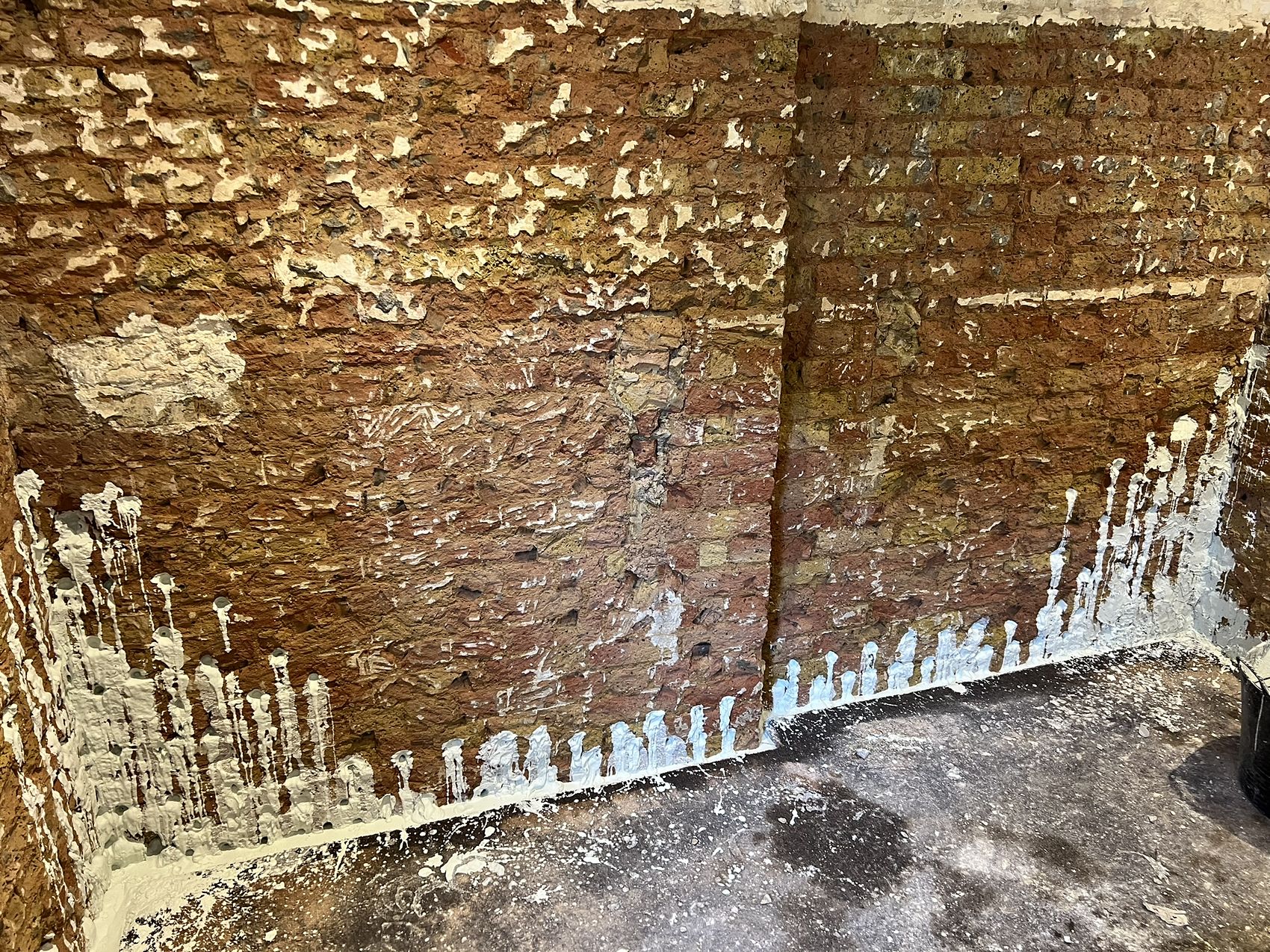
- Assisted mechanical drying: after removing old plaster and completing the injection, we begin drying the masonry no sooner than 3 days later, allowing the holes to remain saturated with product. Applying a tanking slurry across the injection area slows drying so the barrier can form fully and prevents airborne salts from interfering.
- External waterproofing and drainage: where appropriate, we excavate and clean the foundations, add bituminous coatings or a studded membrane, and install drainage pipes. Explore retaining wall and foundation waterproofing.
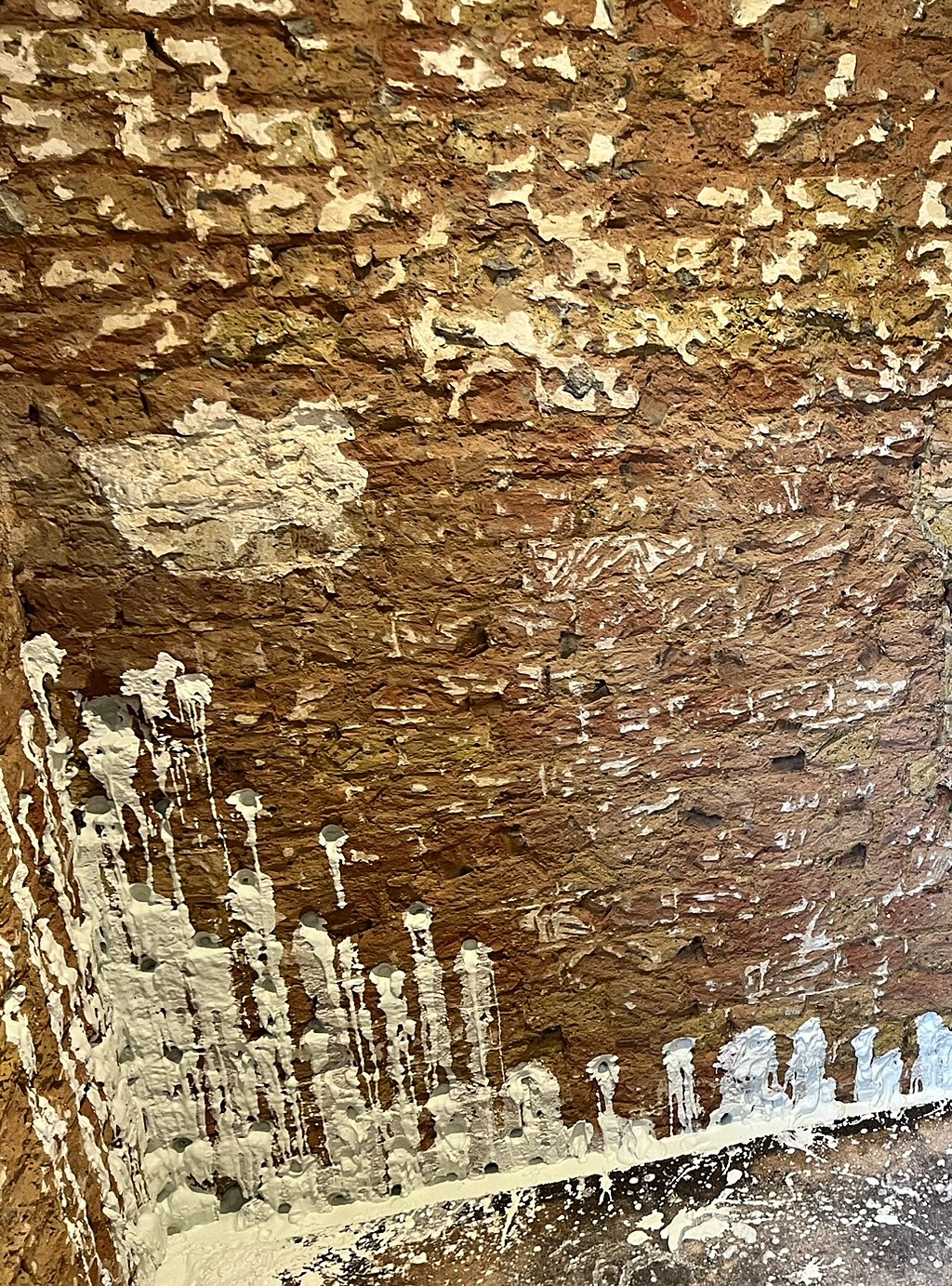
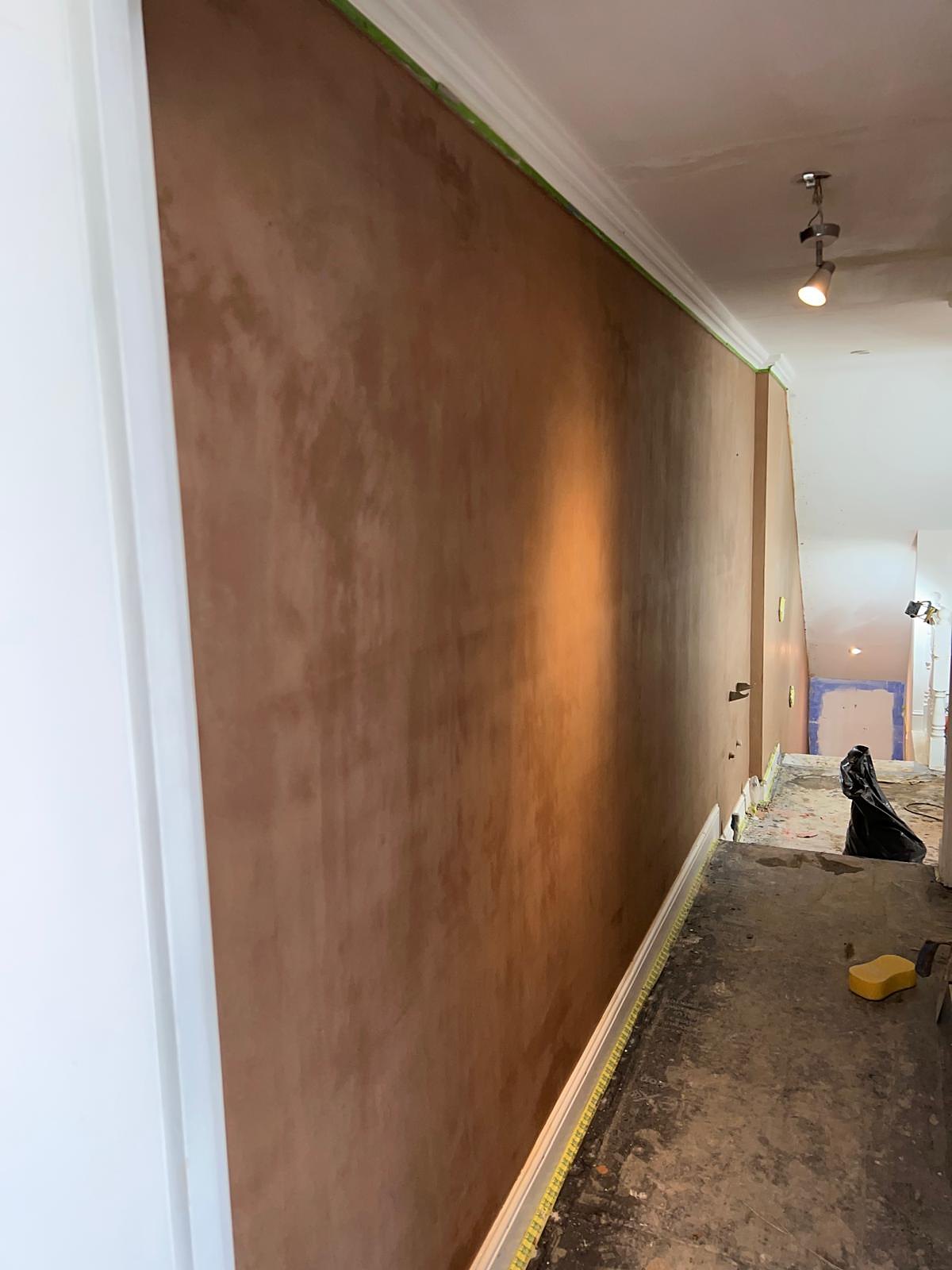
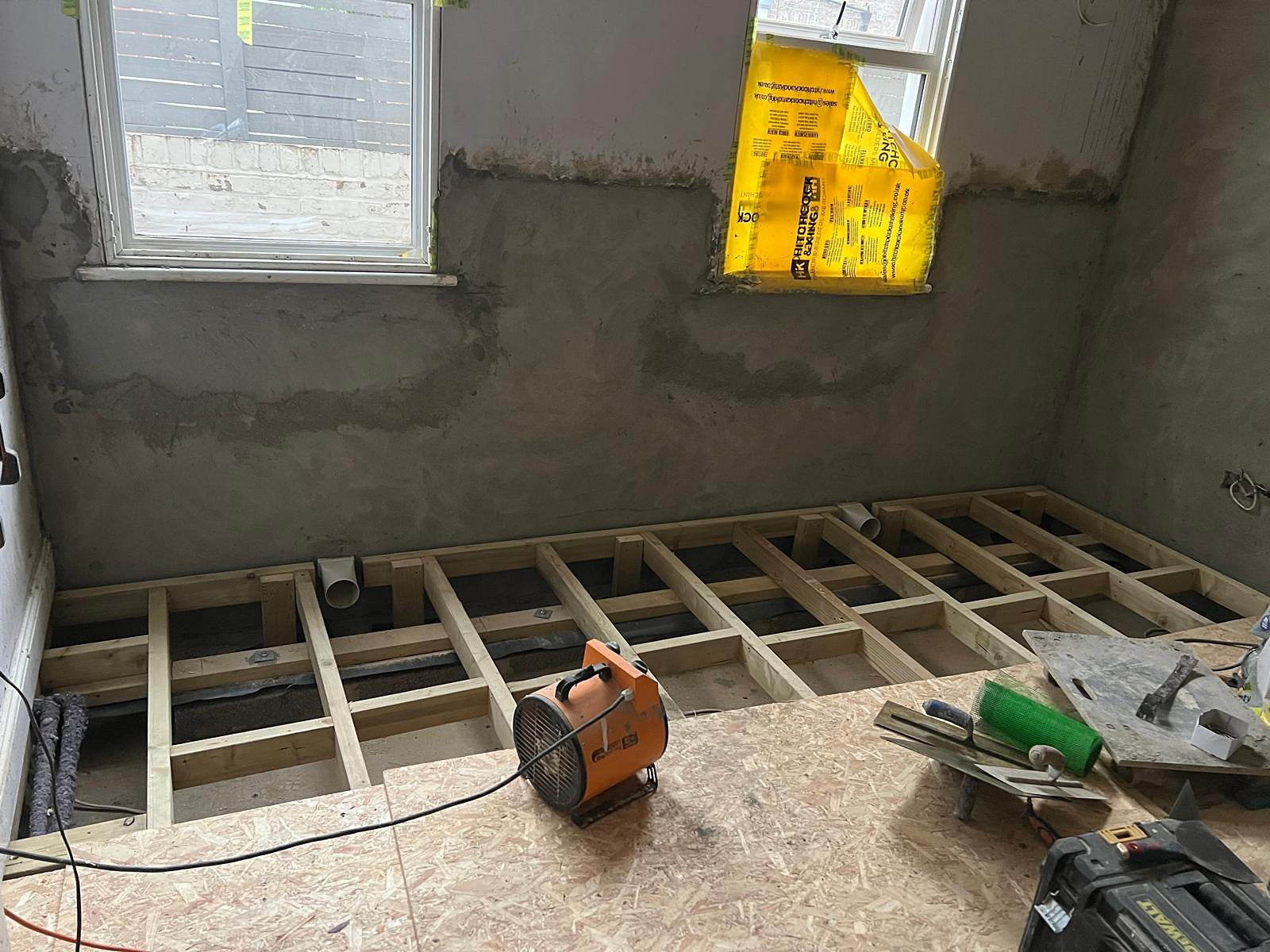
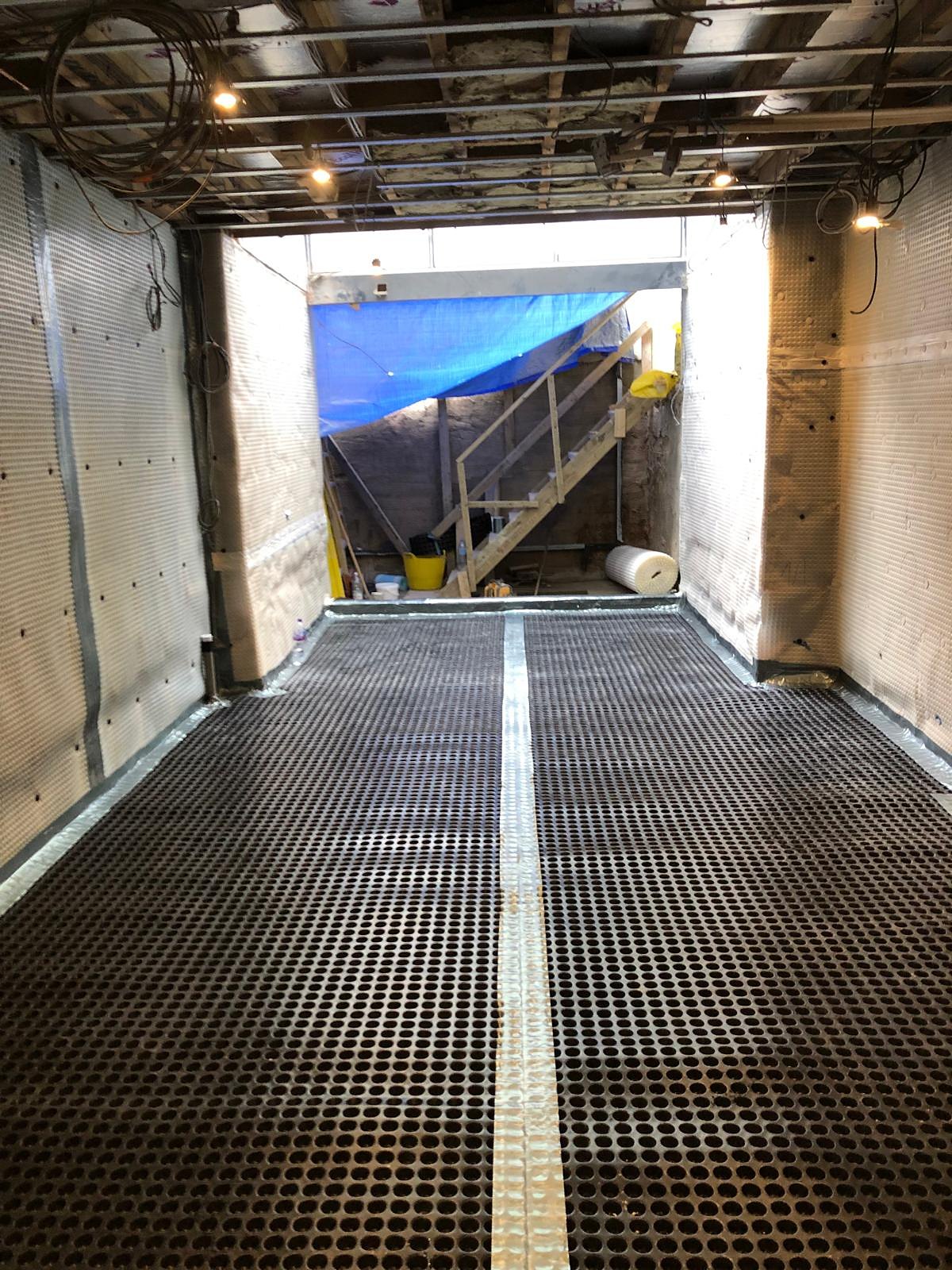
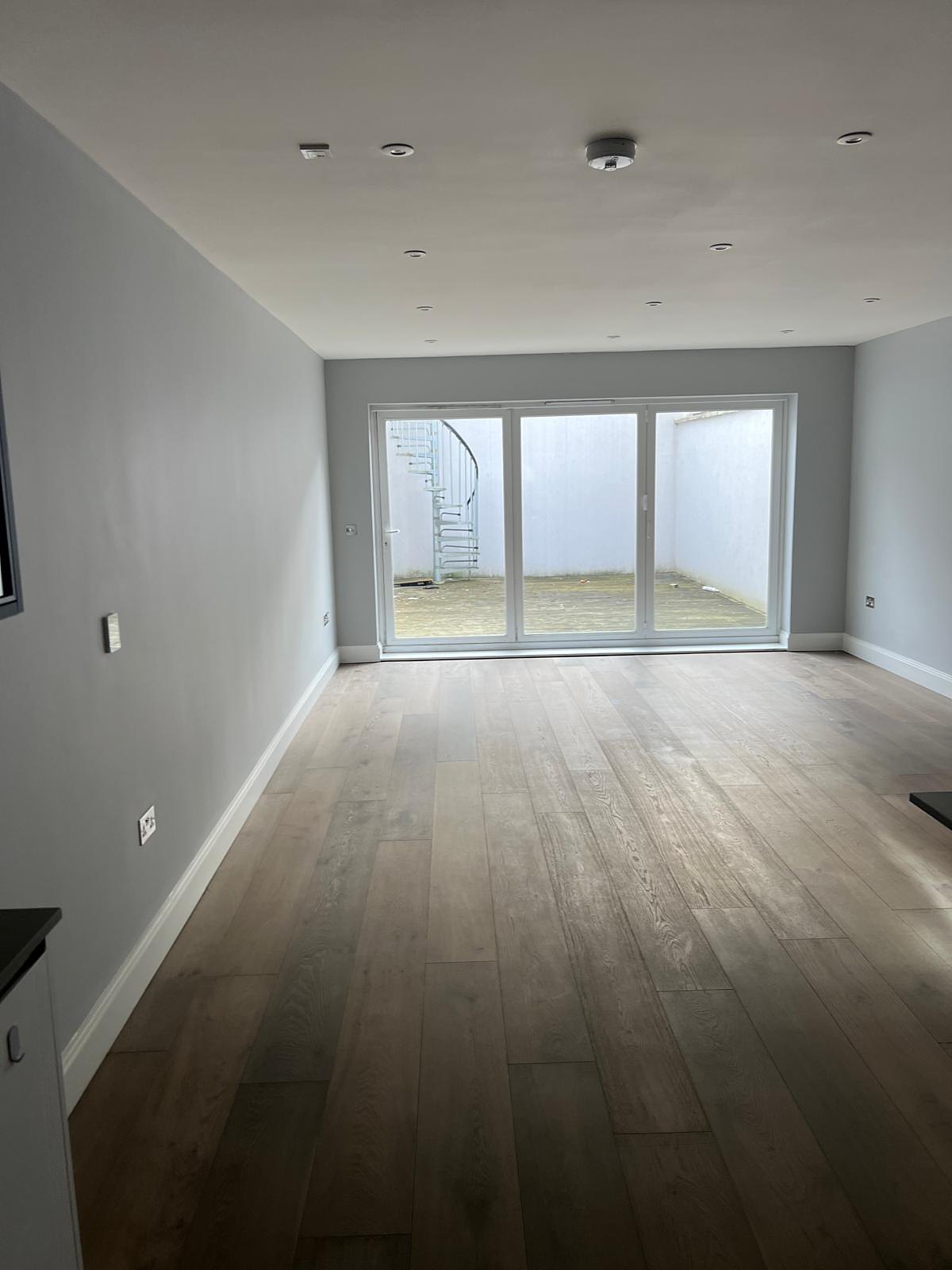
Type C basement conversion
When a basement has rising damp and flooding
In a basement with active leaks or water pressing in from outside, a DPC injection on its own is not enough: high water pressure can wash the product out before it sets. When converting a basement like this, we combine the injection with water management, a Type C waterproofing system:
- Perimeter drainage and a sump pump: help relieve pressure beneath the floor and beside the foundations. Find out about our sump pump systems.
- Cavity drain membrane: keeps the finished space separate from damp masonry while moisture passes behind it into the drainage.
- Stripping salt-contaminated plaster: exposes the masonry so deterioration does not continue behind the membrane.
- Replacing damaged timber: uses pressure-treated timber or a steel structure where necessary.
We do not begin conversion work until water ingress has been fully stopped and controlled.
Following treatment
Restoring walls and helping them stay dry
Once the source of moisture is stopped, the affected wall still needs careful restoration. Straightforward steps afterwards can help prevent damp from returning.
How we restore affected walls
- Remove damaged plaster: salt-laden plaster comes off well beyond the visible damp line.
- Renew weakened mortar: we rake out and repoint crumbling joints to at least 20 mm deep, ideally throughout the wall.
- Allow proper drying: applying finishes while masonry remains wet can cause them to fail within months.
- Finish with renovation render: we use breathable, salt-resistant renovation renders, applying an initial coat at least 10 mm thick.
Helping prevent rising damp
- Direct rainwater away: maintain gutters, downpipes and drainage, with perimeter drainage where the water table is high.
- Leave the DPC clear: keep soil, flower beds and paving below the damp-proof course.
- Keep rooms aired and heated: extract moisture from kitchens and bathrooms and ventilate regularly.
- Choose suitable finishes: breathable, quality materials help avoid trapping water in masonry.
Rising damp and moisture-attracting salts
Ground moisture can carry hygroscopic salts into a wall. These salts absorb water vapour from indoor air, particularly in humid rooms, so plaster may still feel damp after rising moisture has been stopped. Removing contaminated plaster and replacing it with salt-resistant render addresses this continuing source of moisture.
Salt also affects electrical moisture meter readings: a high reading does not, by itself, prove water is still rising from the ground. Diagnosis needs to consider where the damp appears as well as what the meter shows.
Ventilation and heating can help manage indoor moisture. Use kitchen and bathroom extractors, dry washing outdoors or in a ventilated room, and air the rooms regularly.
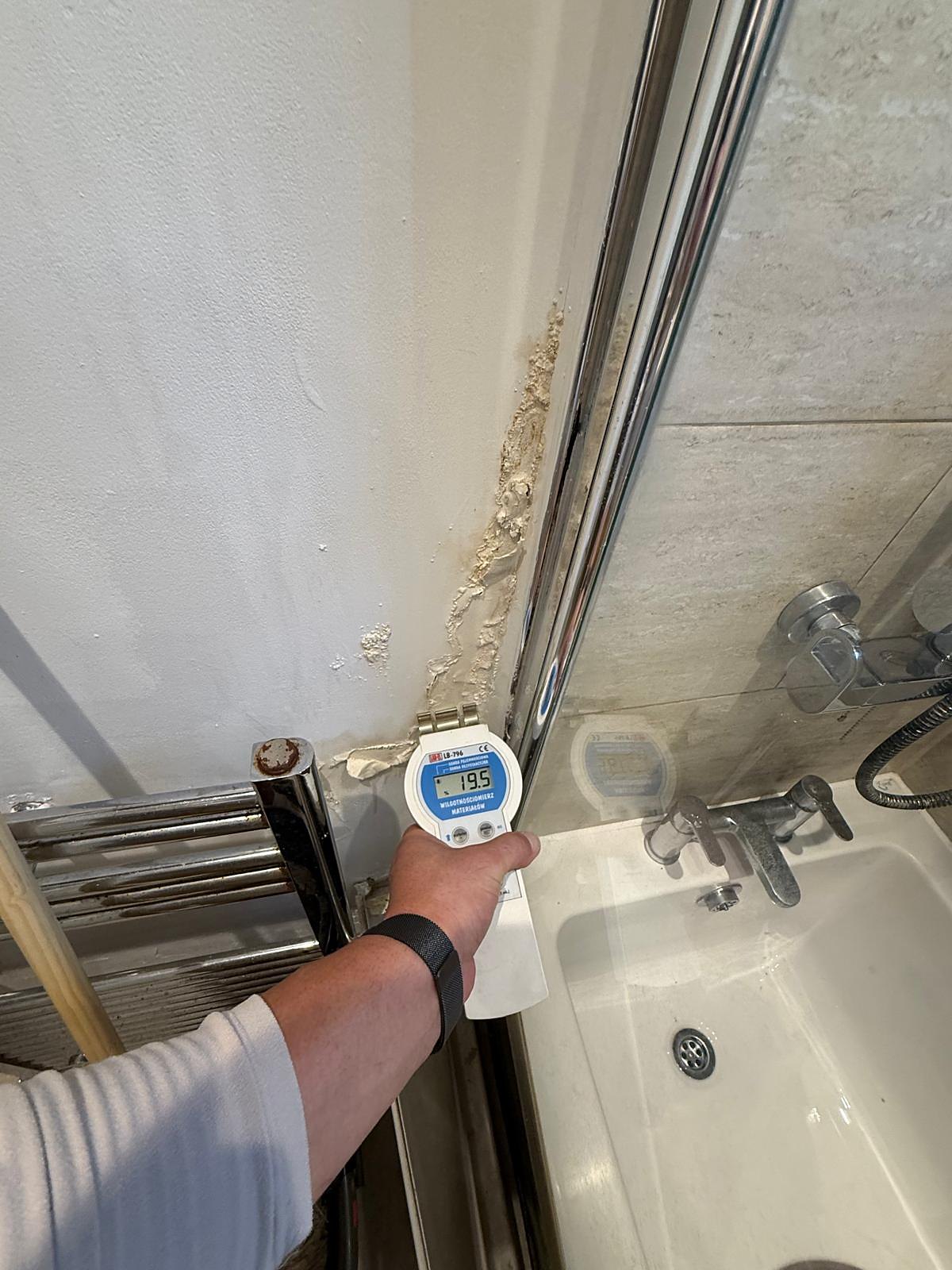
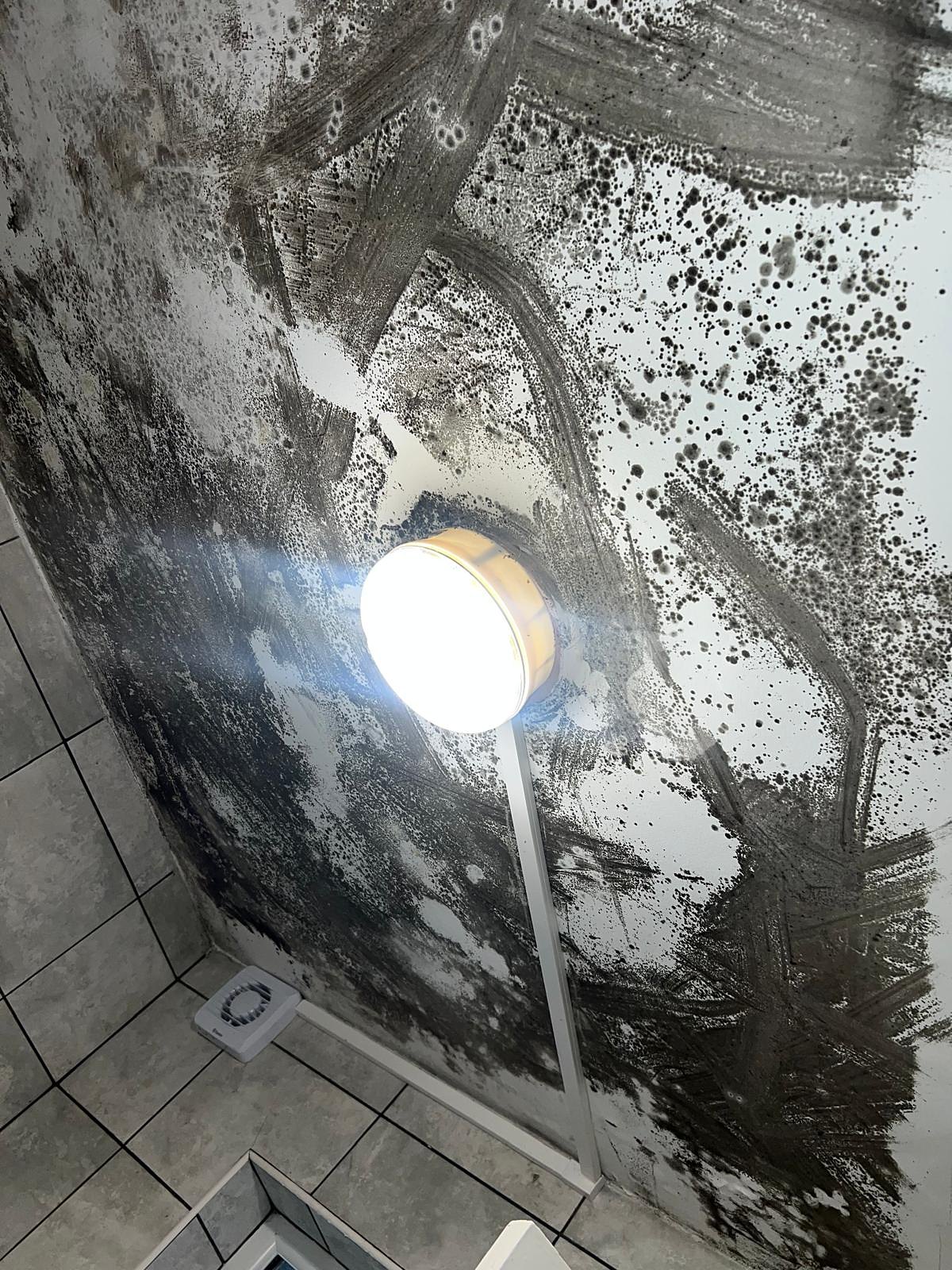
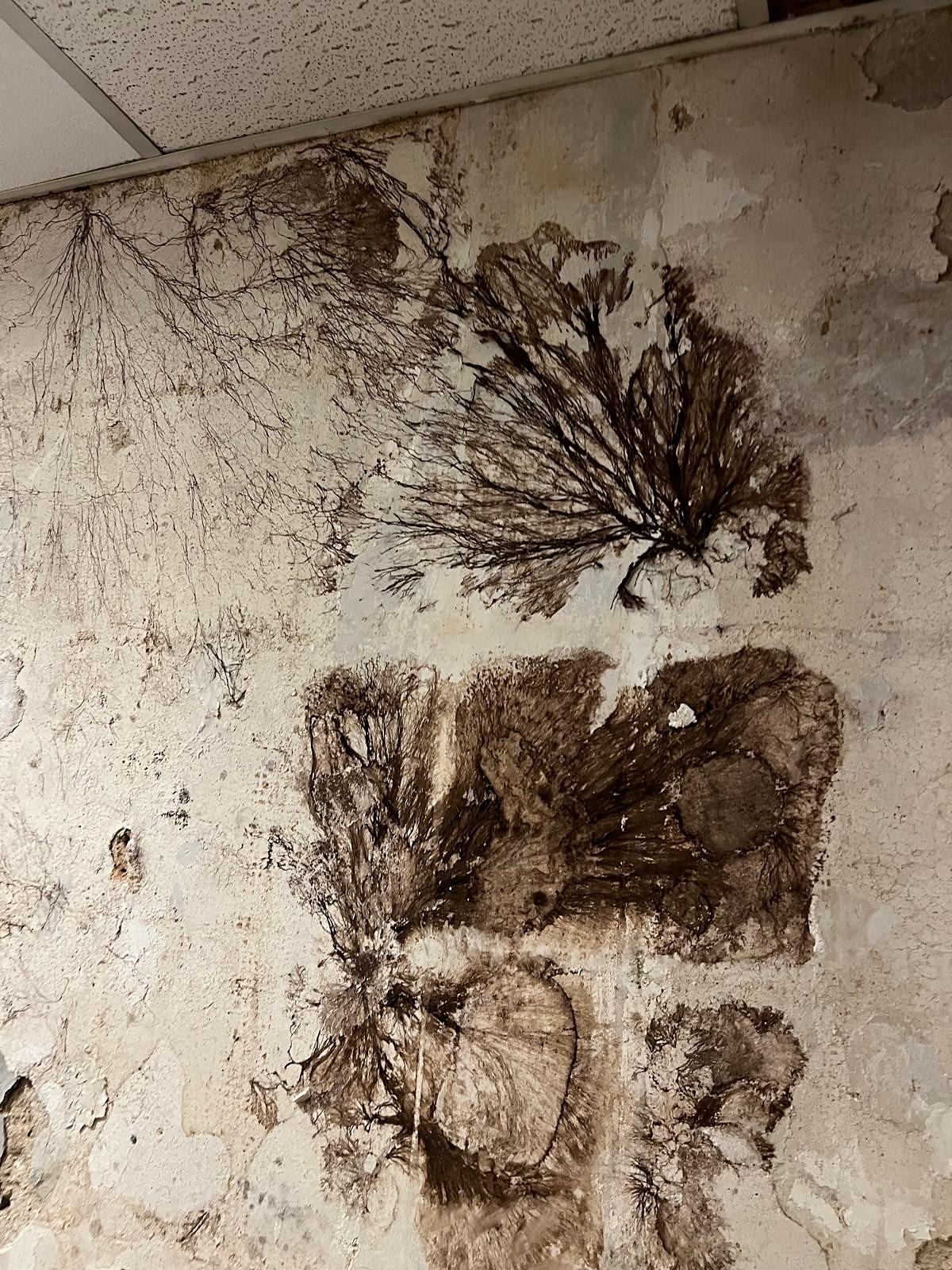
Mould and timber fungi associated with damp
Persistent moisture in walls and nearby timber can encourage mould and wood-destroying fungi:
- Black mould (Stachybotrys chartarum): can grow on wallpaper and plasterboard; its mycotoxins may contribute to tiredness, headaches and breathing difficulties.
- Aspergillus and Penicillium: moulds associated with allergies, asthma, sinus symptoms and respiratory infections.
- Cladosporium and Alternaria: may appear as dark staining towards the bottom of a wall.
- Dry rot (Serpula lacrymans): attacks timber and can spread through masonry in search of further wood.
- Wet rot (Coniophora puteana): a cellar fungus that affects timber kept constantly wet.
For related help, see our black mould service.
Why damp needs proper attention
- Indoor health: mould spores can affect air quality and contribute to allergies, asthma, repeated infections, headaches and irritation of the eyes or skin.
- Building fabric: nitrates, sulphates and chlorides carried by rising damp crystallise, damaging plaster, brick and mortar.
- Short-term cover-ups: bleach-based paint over mould cannot stop moisture moving through the wall, so the growth may return.
- Sequence of work: the moisture source needs to be stopped before drying and rerendering the wall.
Why addressing it early matters
- Heating costs: wet masonry provides poorer insulation than dry masonry.
- Wider damage: moisture can reach other rooms and floors, while failed plaster requires further repair.
- Health concerns: mould and fungi can affect people living in the property.
Acting before damage spreads can reduce the extent of repairs and the cost of dealing with them.
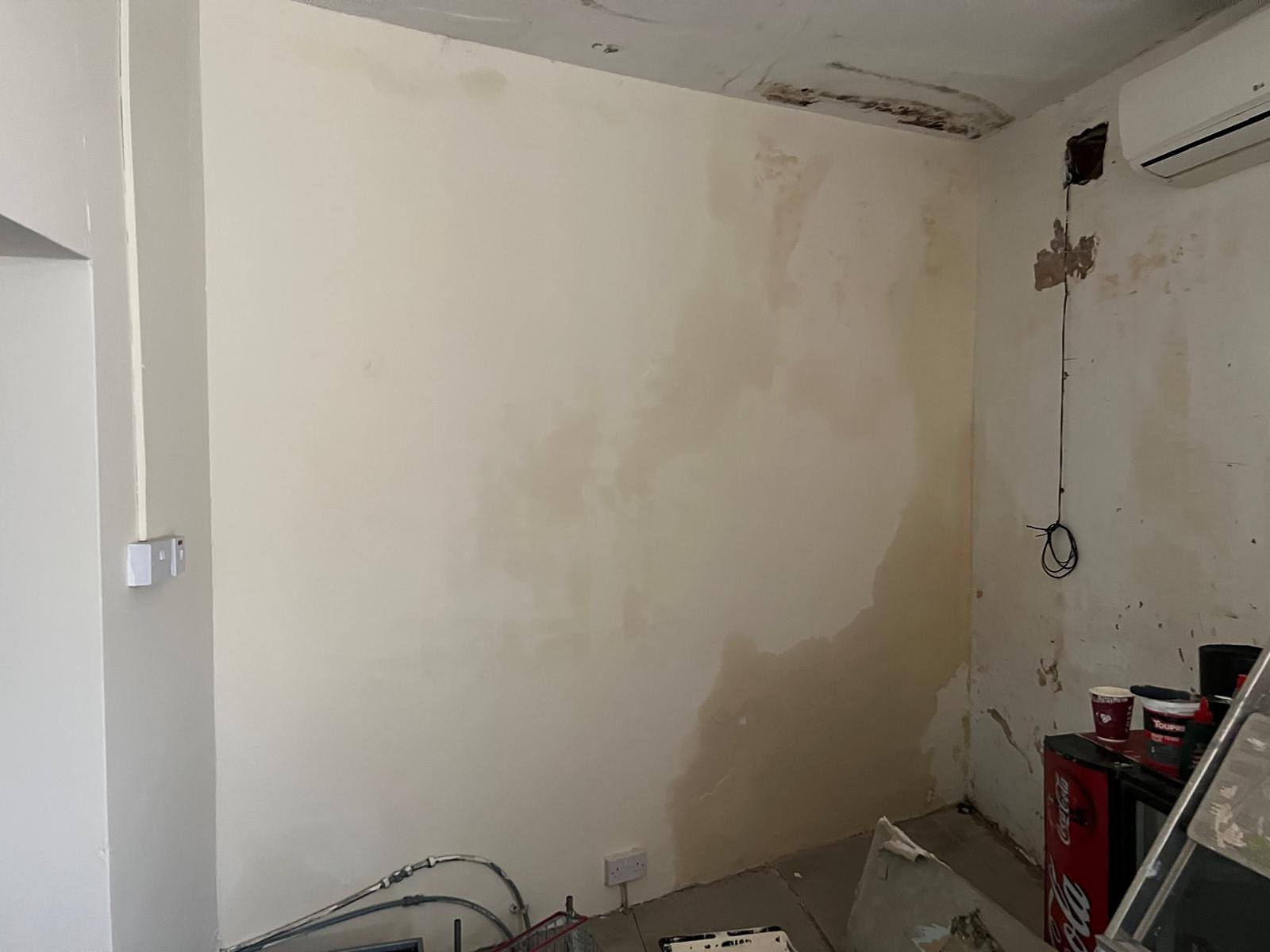
Our process
From diagnosis to restored walls
We follow a clear sequence on each rising damp job, addressing the moisture before finishing the wall.
The materials we use
Established manufacturers and quality materials
Our products come from established manufacturers including Newton, Wykamol, Delta, Biokil and Mapei. We are an approved installer for Wykamol, Delta and Biokil, and select products that work together as a system to keep walls dry for years.
NEWTON products
Newton
Membranes for cavity drainage and associated pump systems.

Wykamol
Sump pumps, tanking slurries and membranes.

Delta
Drainage channels, studded membranes and pumps.

Biokil
Products for damp proofing and treating mould.

Mapei
Waterproof coatings and mortars for repairs.
Other ways we can help
Services linked to rising damp treatment
If moisture has more than one source, we can also address penetrating damp and black mould, alongside waterproofing for basements.
Crystalline DPC Injections
An injected damp-proof course for walls.
Penetrating Damp
Addressing water that passes through walls.
ISO-Therm Membrane and Black Mould
Help with mould and condensation.
Interior and Exterior Waterproof Render
Renovation render that resists salts.
Thermal Inspection
Camera checks for concealed damp.
Basement Waterproofing
Pumps, membranes and tanking.
Retaining Wall and Foundation Waterproofing
Exterior protection for walls.
Sump Pump System & Services
Pump installation and servicing.
Your questions answered
Rising damp treatment FAQs
Is the damp rising damp, condensation or penetrating damp?
A low-level band, tide marks and salts, seldom reaching above about a metre, can indicate rising damp. Condensation tends to appear on cold corners and window reveals; penetrating damp often follows a defect such as cracked render or a leaking gutter. Our survey considers the building, the pattern and the readings together.
Can a moisture meter confirm rising damp on its own?
No. Hygroscopic salts can cause a high electrical meter reading even when ground moisture is no longer rising. We use readings as a guide alongside the height and distribution of damp, with more accurate tests on wall samples where necessary.
What British Standard applies to rising damp?
BS 6576 sets out good practice for diagnosing rising damp in walls and installing chemical damp-proof courses. As it requires, we first establish whether rising damp is actually the cause.
Will a crystalline DPC injection cause much disruption?
This is the least invasive rising damp treatment: we drill a line of holes in the wall and inject the crystalline product. Salt-damaged plaster still needs removing, so we organise the work room by room.
Why must the old plaster be removed?
Salts left in plaster can keep drawing moisture from the air after rising damp is stopped. We strip affected plaster well above the visible line, then apply a breathable, salt-resistant renovation render.
When will the treated wall be dry?
Drying depends on the wall's material and thickness and on conditions indoors. Assisted mechanical drying begins no sooner than 3 days after injection, and final finishes wait until the wall is dry.
Can a newer home develop rising damp?
Yes. A DPC may be missing, interrupted or wrongly installed, or raised soil, paving or render may bridge it.
How can I arrange a damp survey in Richmond?
Book online or call our specialists on 020 8432 3350 or 07720 752231. We will investigate the cause and recommend the treatment suited to your walls.
Free damp survey
Arrange a damp survey in Richmond
Seeing salts, tide marks or mould near floor level? Arrange a damp survey or speak to our specialists on 020 8432 3350 or 07720 752231.
07720 752231
Describe the damp problem
Please complete all fields marked *. We will be in touch when we receive your details to arrange the survey.
Local considerations
Investigating damp walls in Richmond
From houses near Richmond Green to homes elsewhere in Richmond, the important question is how moisture enters the particular wall. An existing DPC may be missing, damaged or bridged; we check the property rather than assume the cause from its surroundings.
During a visit, we assess the damp's position and extent, outside ground and paving levels, rainwater goods, the existing DPC, and nearby plaster and timber. The results guide whether injection, drainage, ventilation or a combination is appropriate.
First, establish the source of moisture
A damp wall is not automatically affected by rising damp. Under normal conditions, brick, concrete and gypsum contain less than 5% moisture, while timber contains around 20%. Construction moisture in new or recently renovated properties can take around two years to dry naturally. Leaks, condensation and penetrating damp are other possible causes.
Our CSSW-qualified surveyors combine moisture readings with thermal imaging to investigate damp in Richmond and recommend only the work the walls need. We also provide rising damp treatment in Twickenham, Kingston upon Thames and Hounslow.
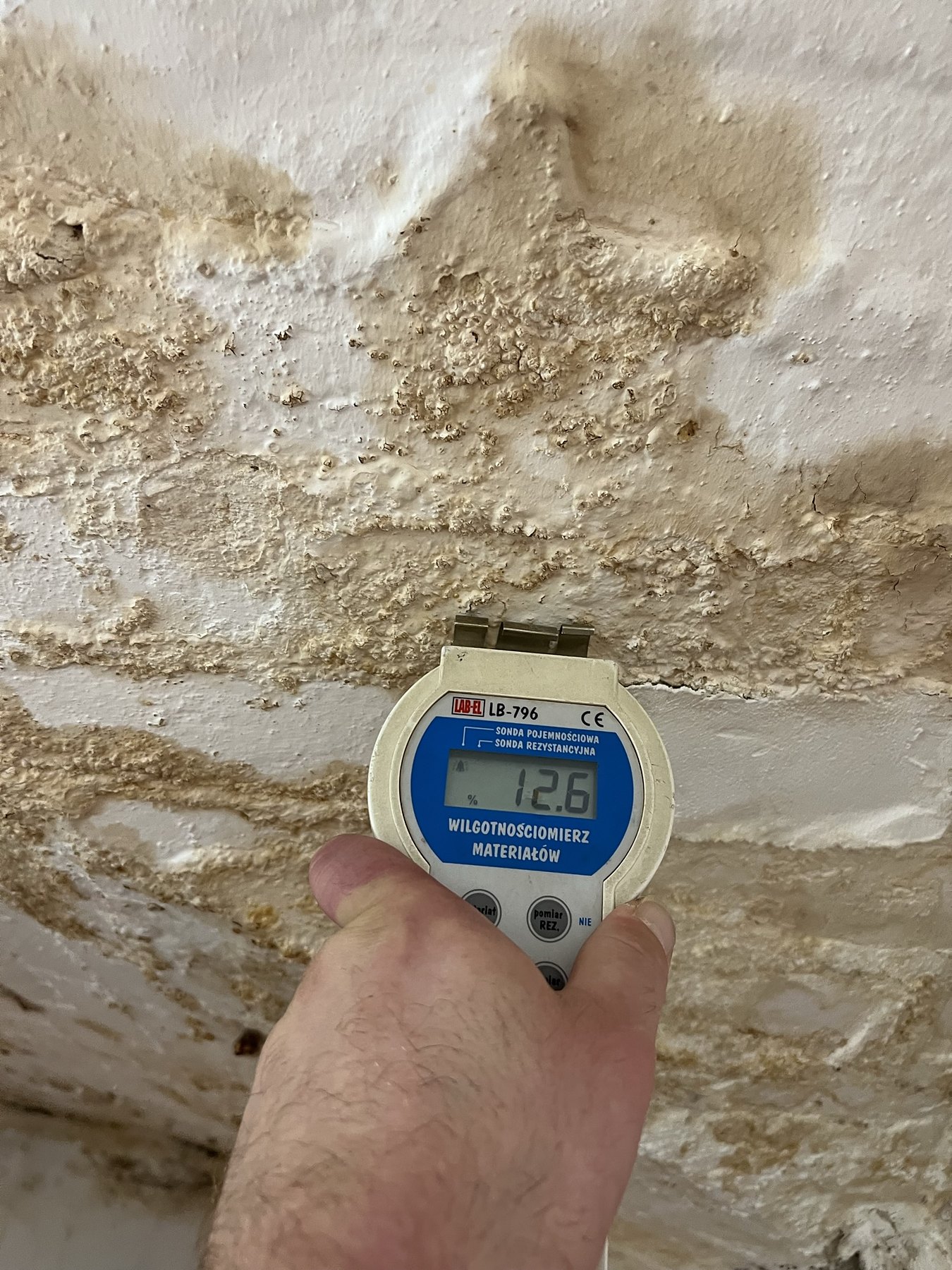
What happens before treatment
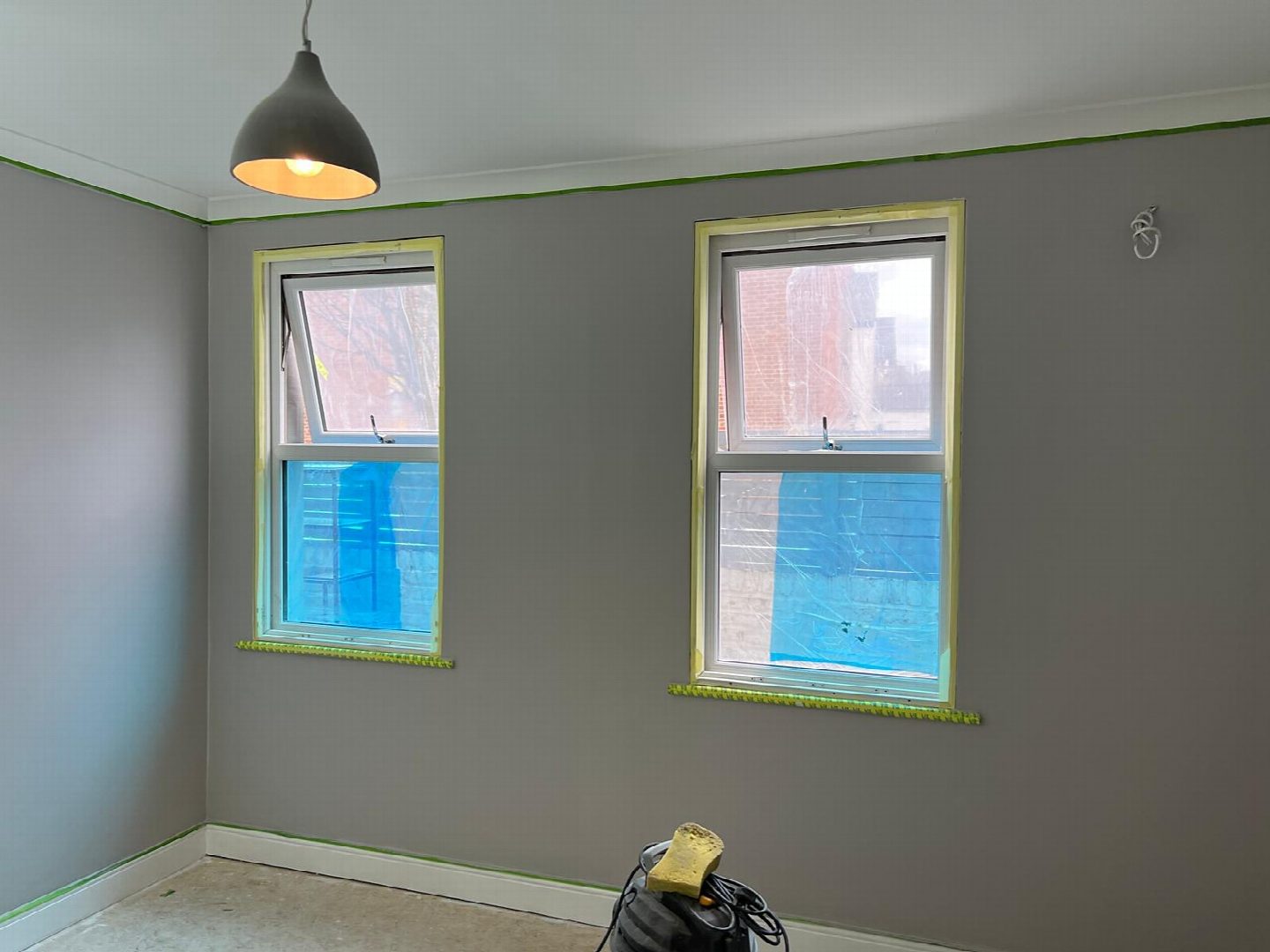
Help for damp walls
Our Google rating is 5 stars. Read our reviews, arrange a survey or speak with our specialists on 020 8432 3350.
Qualified Specialists & a 10-Year Guarantee
Our family-run team holds CSSW qualifications, with a minimum of 10 years’ experience each. We back our work in Richmond with a 10-year guarantee covering workmanship, plus a QANW Insurance Backed Guarantee that transfers to the new owner if you sell your property. The materials we use also carry a 10-year manufacturer’s product warranty.

See What Our Clients Say
We are proud of our 5-star Google rating. If you have noticed tide marks, salts or mould at the bottom of your walls, book a survey or call our specialists on 020 8432 3350 or 07720 752231.
Our service area
Rising damp treatment near Richmond
Crystal Damp Proofing & Basements Ltd treats rising damp across Richmond and nearby areas, including Twickenham, Kingston upon Thames and Hounslow. Select an area below for its local service page.