

Leave your details and our team will get in touch.
Request a call back
Basement Tanking in Berkhamsted
Basement tanking for dry, usable basements, backed by a 10-year guarantee.
A damp basement with a musty smell, tide marks and blown plaster is one of the most common problems in homes, and in most cases it can be solved for good. “Damp-proof” paint or more airing may help for a season or two, then the damp comes back, because only the symptom was treated. Basement tanking deals with the source.
Our CSSW-qualified specialists find where the water is coming from and install basement tanking and waterproofing systems in Berkhamsted HP4 that keep your basement dry for years.
What is basement tanking?
A waterproof barrier applied to the walls and floor, so water and moisture from the ground cannot get into the room. Under BS 8102:2022 it is Type A (barrier) protection, one of three types:
- Type A (tanking): a waterproof coating, such as a tanking slurry, bonded to the walls and floor.
- Type B (structurally integral): reinforced waterproof concrete, used only in new buildings.
- Type C (drained protection): a cavity drain membrane that collects water and drains it to a sump pump.
Signs your basement needs tanking
- tide marks and damp patches low down on the walls,
- white, powdery salt deposits on the brickwork or plaster,
- blown plaster and flaking paint,
- a musty smell that airing does not get rid of,
- mould on the walls and behind furniture,
- water on the floor, especially after heavy rain,
- plans to turn the basement into a bedroom, office, gym or living space.
Why a damp basement should not be ignored
- Your health: constant damp encourages mould, whose spores can cause allergies and breathing problems, and basements often share ventilation with the rest of the house. See black mould.
- The structure: brick and mortar lose strength, and floor joists and floorboards start to rot.
- The value of your home: damp foundations and stains lower the value and can put off buyers. The longer it lasts, the more there is to repair.
Choosing the system
Tanking or a membrane system? How we choose
Every basement is different, so we never guess. We recommend a system only once we have inspected the basement, the walls and the local ground conditions.
| Compared | Type A (tanking) | Type C (membrane) | Highest protectionType A + C |
|---|---|---|---|
| Best for | Mild dampness, stable walls | Water pressing in, cracked walls | Living spaces, heavy salts, water on the floor |
| How it works | Blocks water at the wall | Collects and drains water away | Blocks and drains |
| Sump pump | Not usually needed | Needed | Needed |
| Level of protection | Good | Very high | Highest |
Not sure what your basement needs? Don’t risk paying for the wrong system: book a survey and we will recommend the safest, most cost-effective solution.
Our tanking process, step by step
- Survey: moisture levels deep in the masonry, the mortar joints and any water rising from the foundations, with thermal imaging where needed.
- Stopping active leaks: seeping points are cut out and plugged with fast-setting hydraulic cement; cracks are sealed with pressure injection where needed.
- Preparation and salts: damp, salty plaster is stripped to bare masonry, at least 50–80 cm above the visible damp line (in basements, ideally up to the ceiling), crumbling joints are raked out to around 2 cm, a fungicide removes the source of the musty smell and salts are brushed off dry, never washed. Where needed, a salt neutraliser suited to the salts (nitrates, sulphates or chlorides) is applied.
- Cutting off rising damp: if water also rises from the foundations, a crystalline DPC injection creates a new horizontal barrier first.
- Levelling and fillets: deep joints are filled, a levelling render applied where needed, and rounded fillets formed at the wall-to-floor junctions, because tanking must never go into sharp corners.
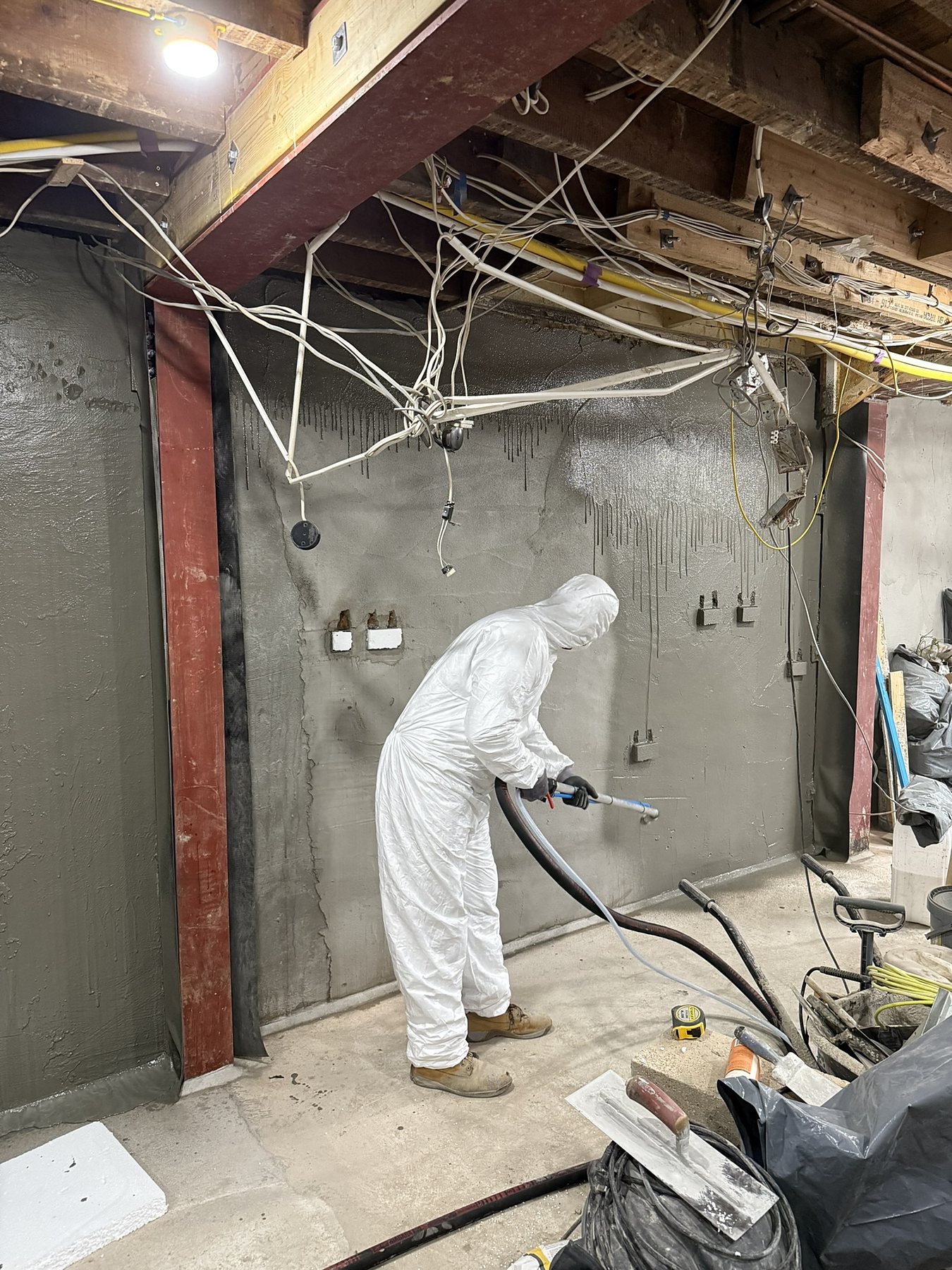
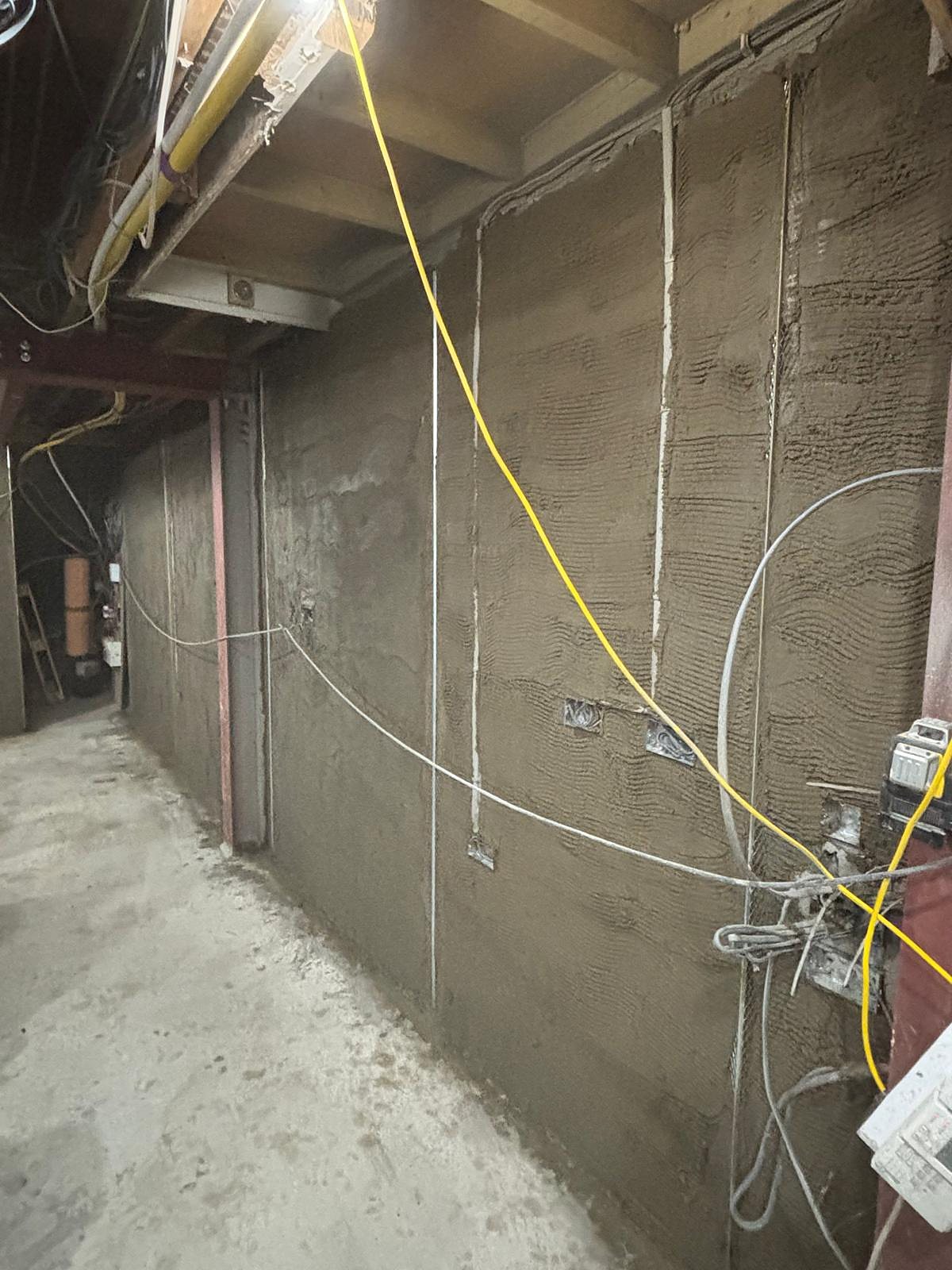
- Tanking slurry: the first coat is worked into the masonry by hand, with the details around pipes and corners; the main coats are machine-sprayed to an even 2–3 mm. Where water presses in, a rigid crystalline slurry that resists negative pressure goes first, then a flexible slurry.
- Render and finish: a bonding coat and waterproof render or salt-resistant renovation render, never gypsum plaster, then breathable silicate or lime paints.
- Ventilation and heating: steady ventilation and heating keep the humidity at around 45–55%, so the musty smell does not return.
Spray-applied
Application
Hand-applied or sprayed?
On old, uneven brick and stone, the first coat is always worked in by hand, so no air pockets are trapped under the coating. On larger basements, the following coats are sprayed, which is faster, more even and reduces the cost of the work. See spray-applied basement waterproofing.
| Method | By hand (brush or trowel) | Machine-sprayed |
|---|---|---|
| Best for | Small rooms, corners, fillets and around pipes | Large, open rooms and long, straight walls |
| Bond | Very high: brushing closes the pores and fills every gap | High, on a clean, well-prepared surface |
| Thickness | Easy to control, but slower | Very even thickness, much faster |
Why the mortar joints matter
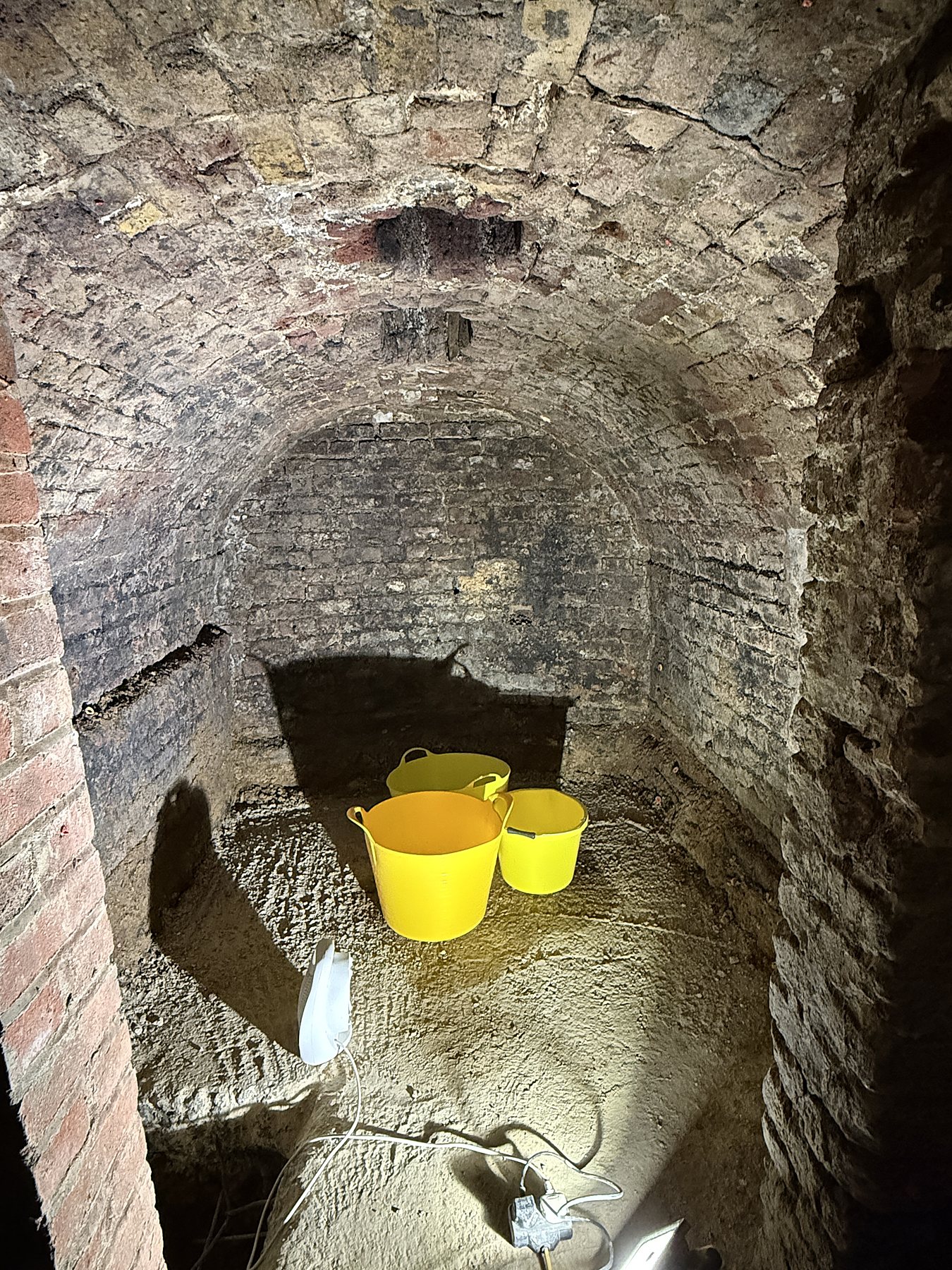
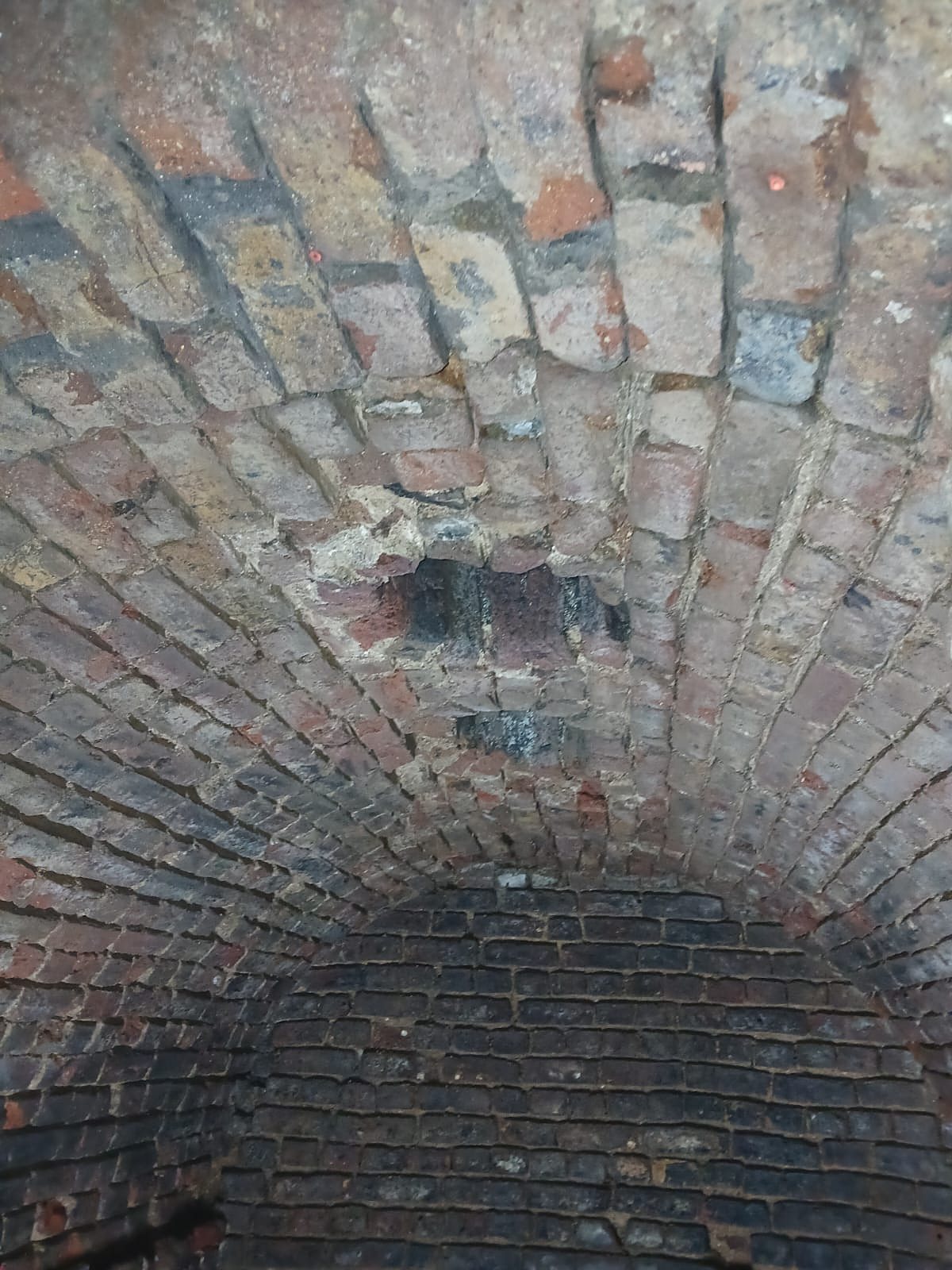
The mortar joints between the bricks keep the walls stable and decide how much water gets through. Most older brick walls are uneven and porous, with worn or crumbling joints.
Before tanking, we check every joint. Where the mortar is no longer hard enough, we rake it out to around 2 cm and refill it, with the same mix or a suitable sand and cement mortar. Where a structural engineer is involved, we follow their recommendations.
Outside or inside
External or internal waterproofing?
Where the foundations can be excavated, external waterproofing with drainage stops the water before it enters the wall. Where they cannot, because of terraces, extensions, paving or a neighbouring building, internal tanking and membrane systems keep the basement dry from the inside. See retaining wall and foundation waterproofing for external work.
| Compared | External (excavation) | Internal (tanking or membrane) |
|---|---|---|
| Protecting the wall | Full: water does not get into the wall | The wall can still take on water; the waterproofing stops it inside |
| Frost | A dry wall does not freeze and crack, and can be insulated with XPS | The outside of the wall is not protected |
| Water pressure | Water presses the waterproofing against the wall | Needs materials that resist negative pressure, or a membrane |
| Work and cost | Higher: excavation and reinstating gardens or paving | Lower: no excavation, all work from inside, in any weather |
| Room space | No loss of space inside | Render and floor layers take a few centimetres |
Simple checks outside: make sure gutters and downpipes carry rainwater well away from the walls, paving slopes away from the house and the joint between paving and wall is sealed. This alone can greatly reduce the water pressing against the basement.
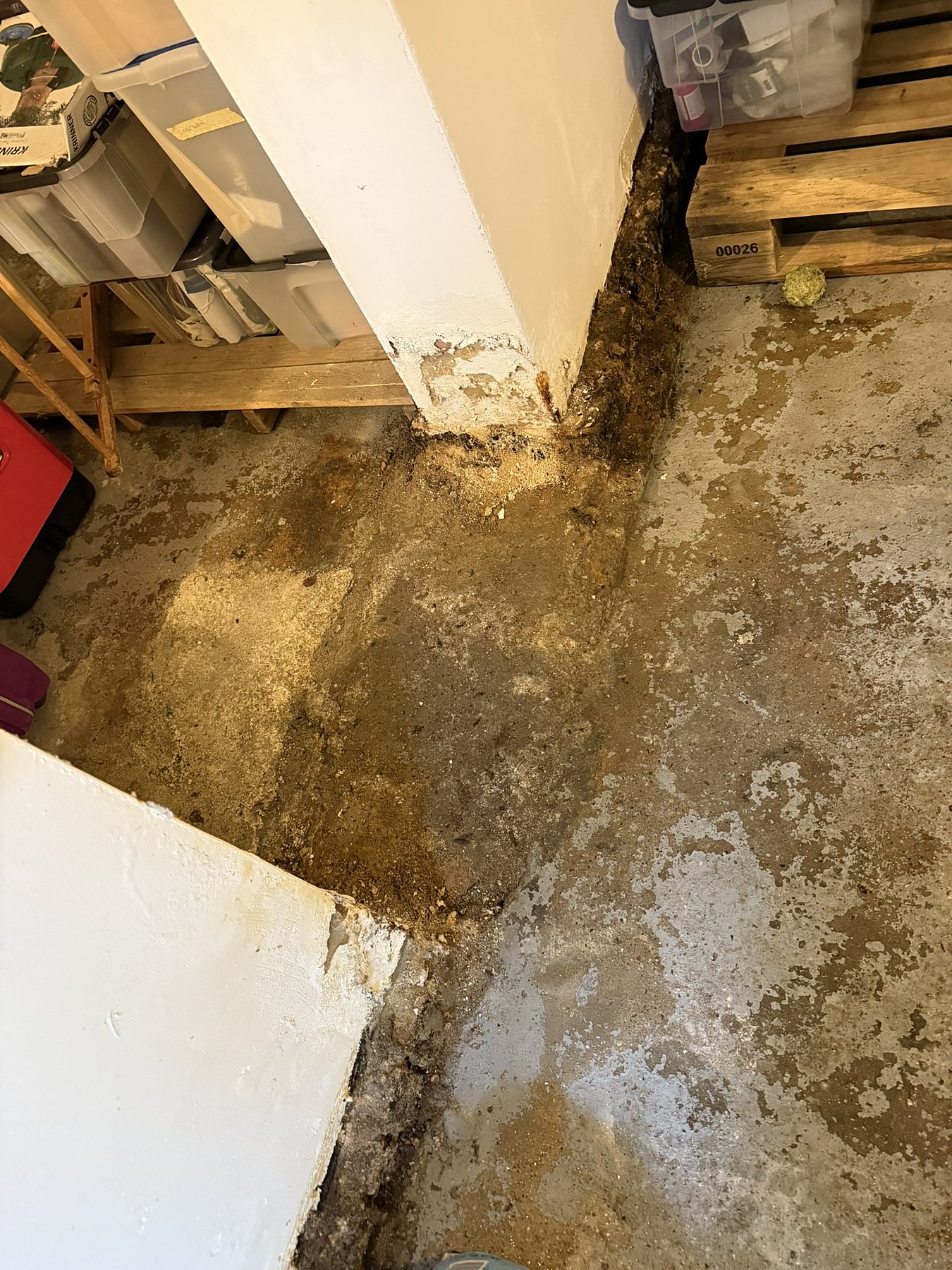
Water on the floor
Heavy salts and water on the floor: why we recommend Type A + C
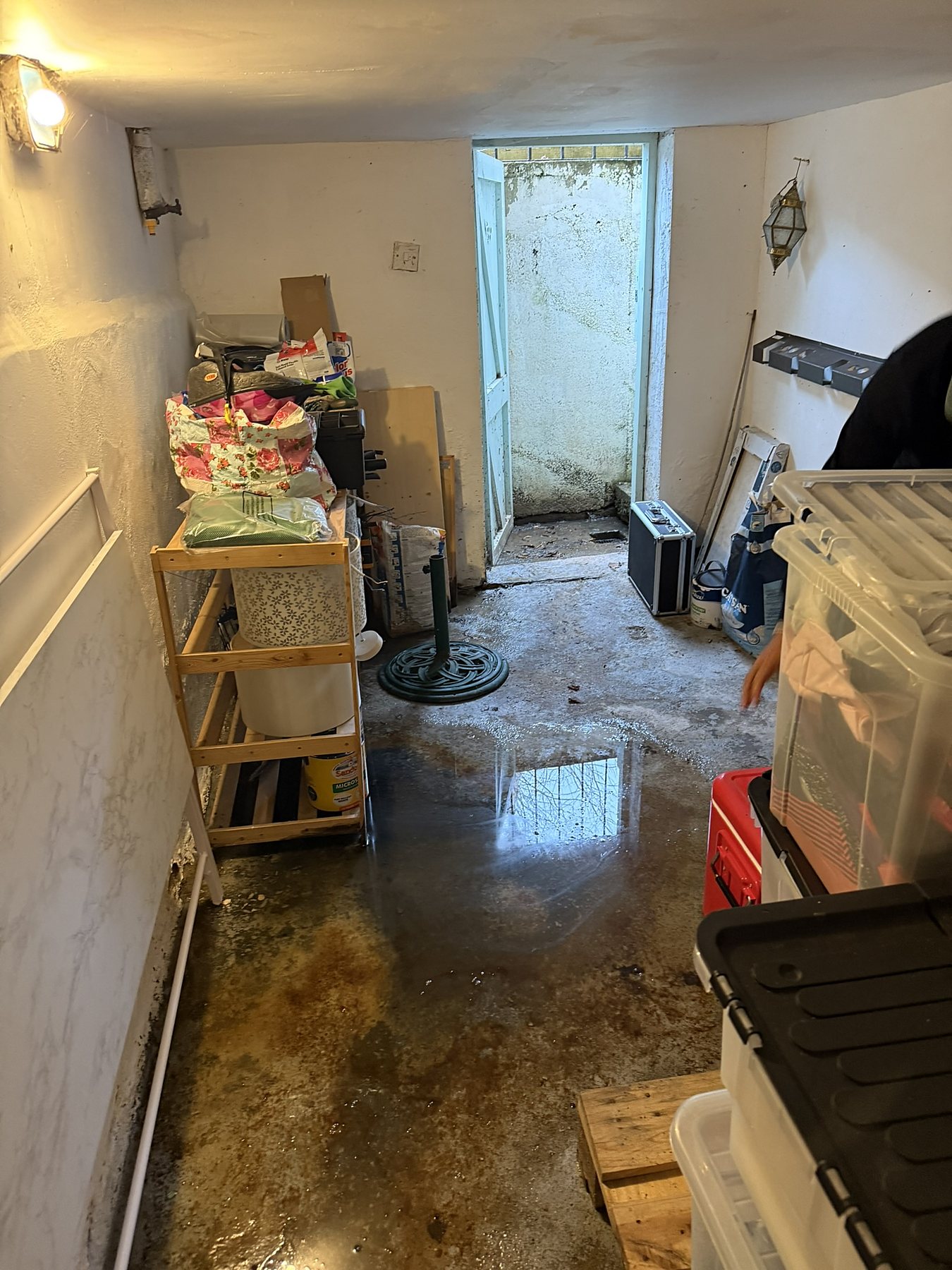
The most difficult case is an old brick basement that is heavily salt-contaminated, with water pushing in from outside, no way to excavate, and water appearing on the floor, especially in the rainy season.
Here, tanking alone is under huge pressure: water and salts crystallising in the brick can break away the surface just behind the coating, and the tanking blisters and comes away within months.
That is why we recommend a combined Type A + C system: the tanking blocks the salts and limits the moisture, and the membrane separates the new rooms from the wet, salty brick and drains away any water that gets through.
A typical project
A 100 m² basement for living space, an office and a gym
For a basement that will become living space, an office and a gym (a Grade 3 environment under BS 8102), the room must be completely dry, free of water vapour and protected even during a power cut. This is how we build it for a 100 m² basement:
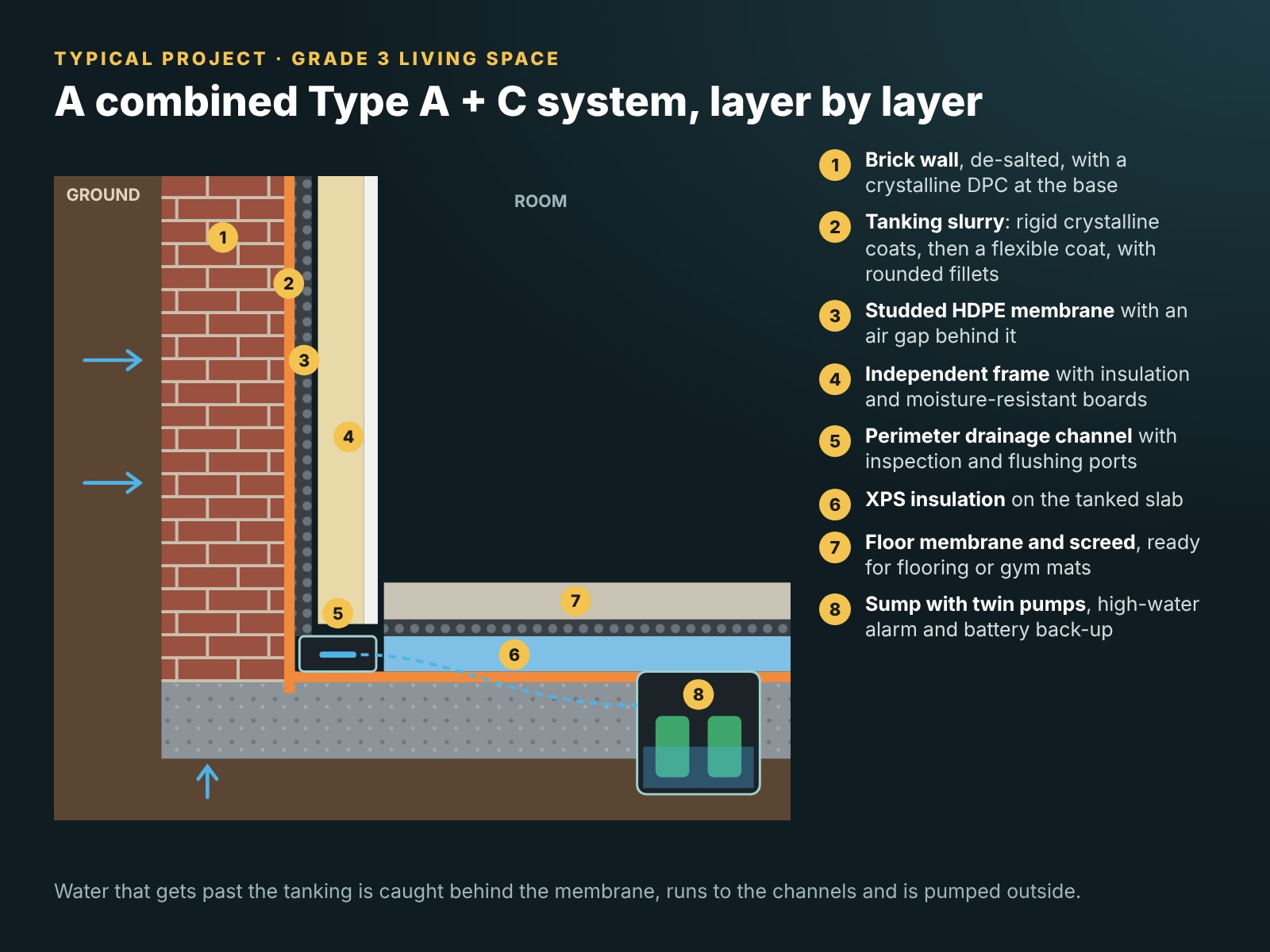
Finishing for living space: XPS insulation under the floor membrane and a screed; an independent insulated frame or plywood boards on battens in front of the wall membrane, never fixed through it; and heat-recovery ventilation (MVHR) or a ducted dehumidifier. See sump pump systems.
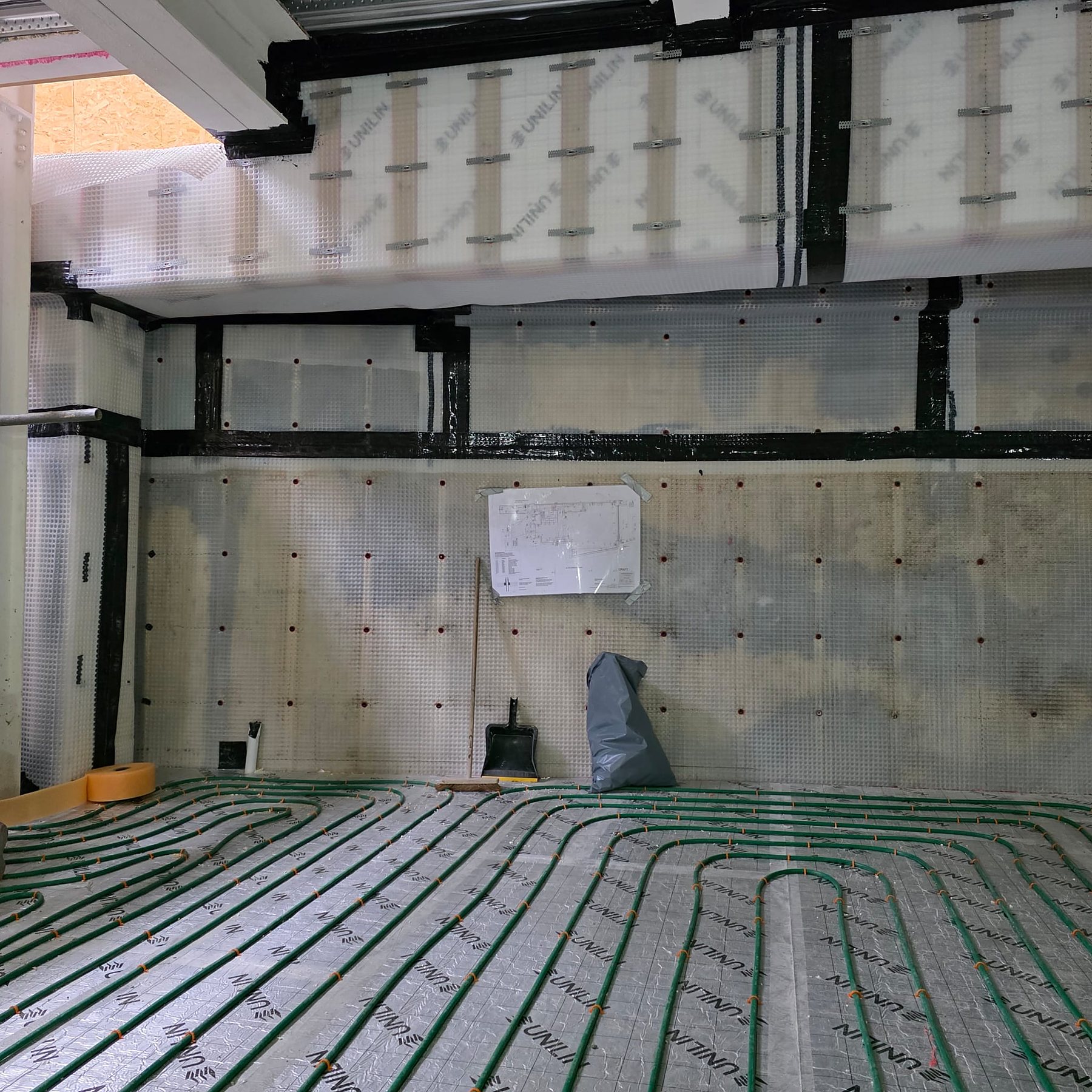
Our projects: a large basement in Notting Hill
Every basement project is agreed with our architect and our CSSW-qualified surveyor, who set out the right solution for that project, and we adapt the materials and costing to their recommendations.
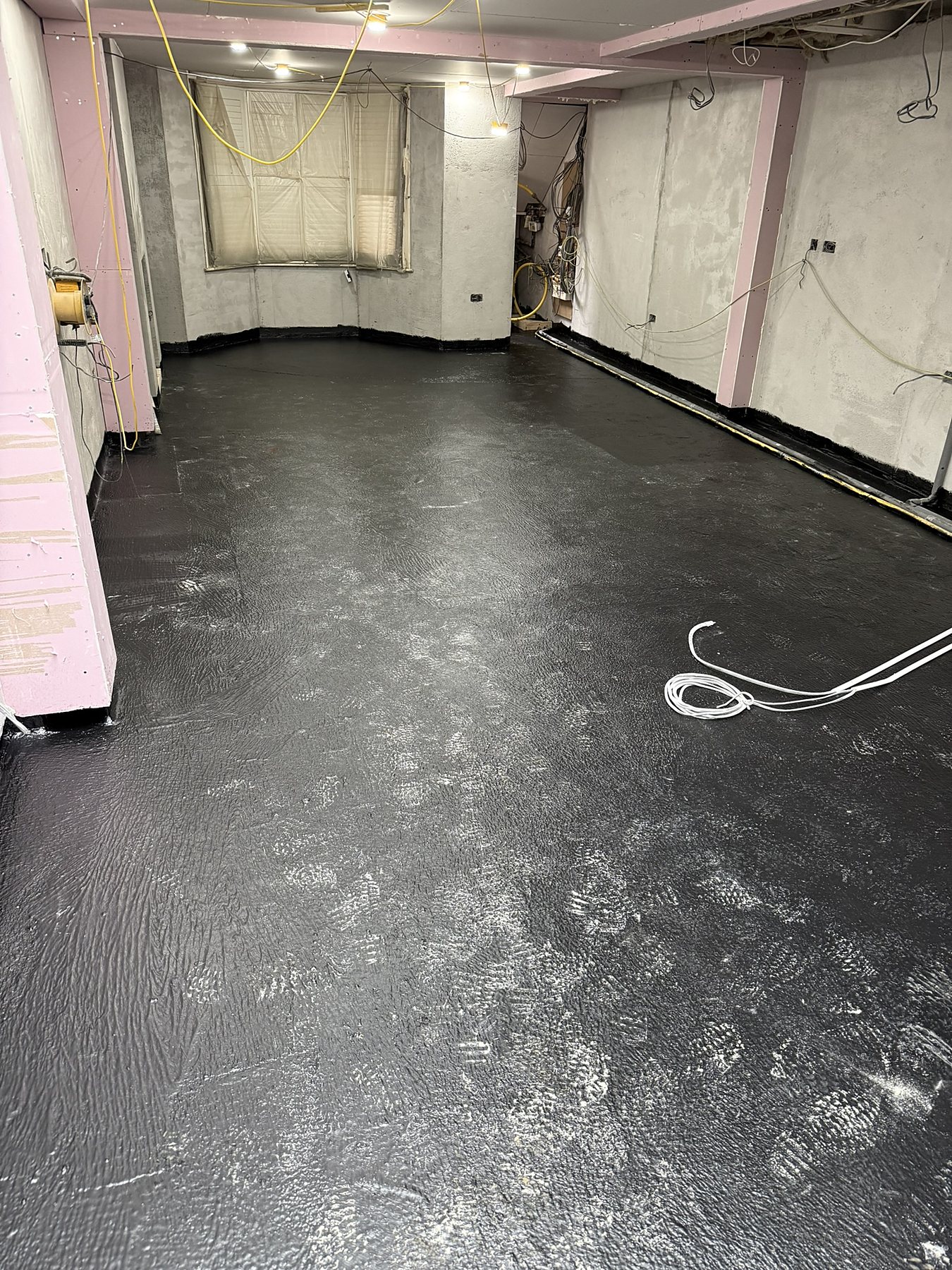
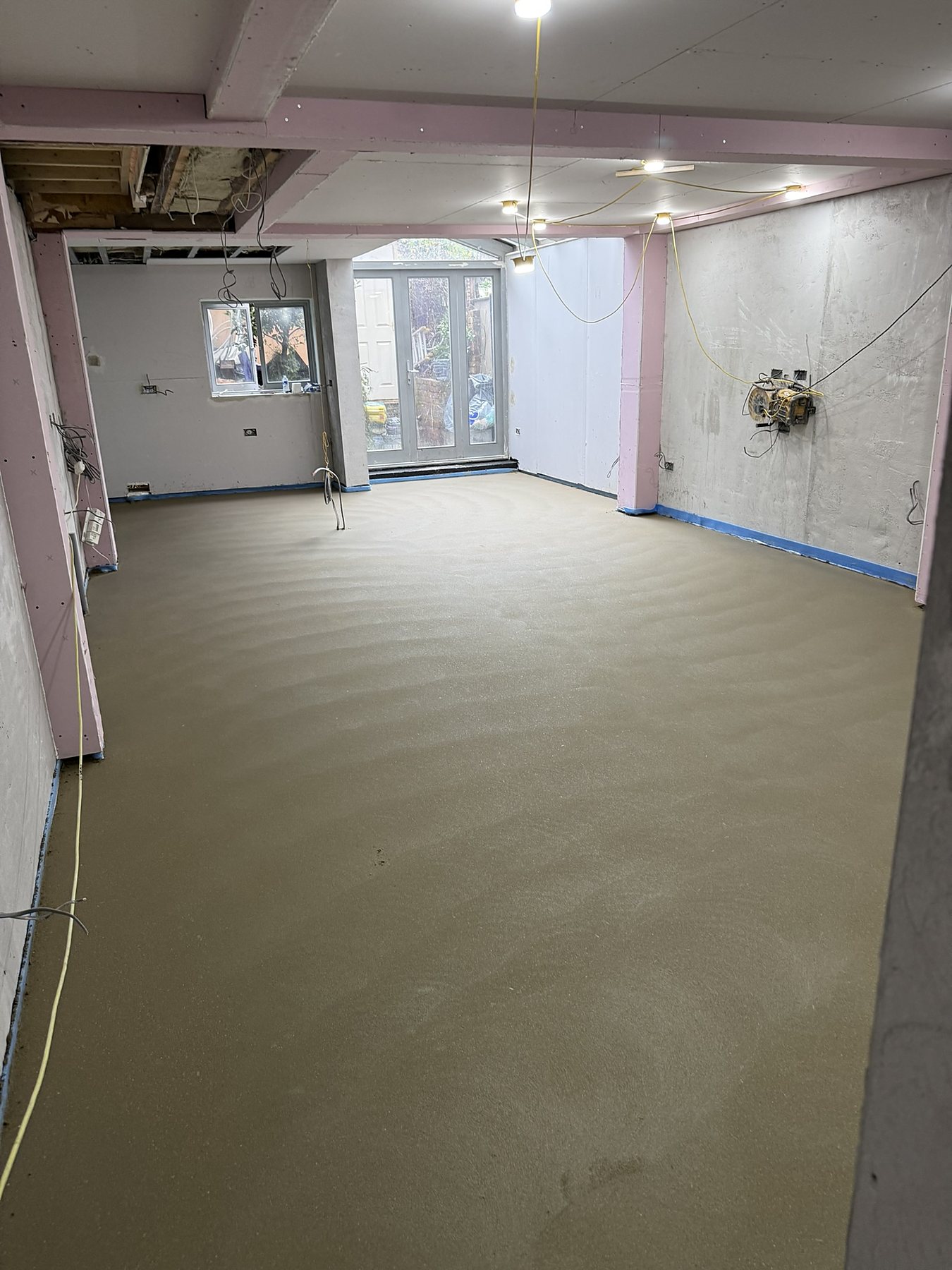
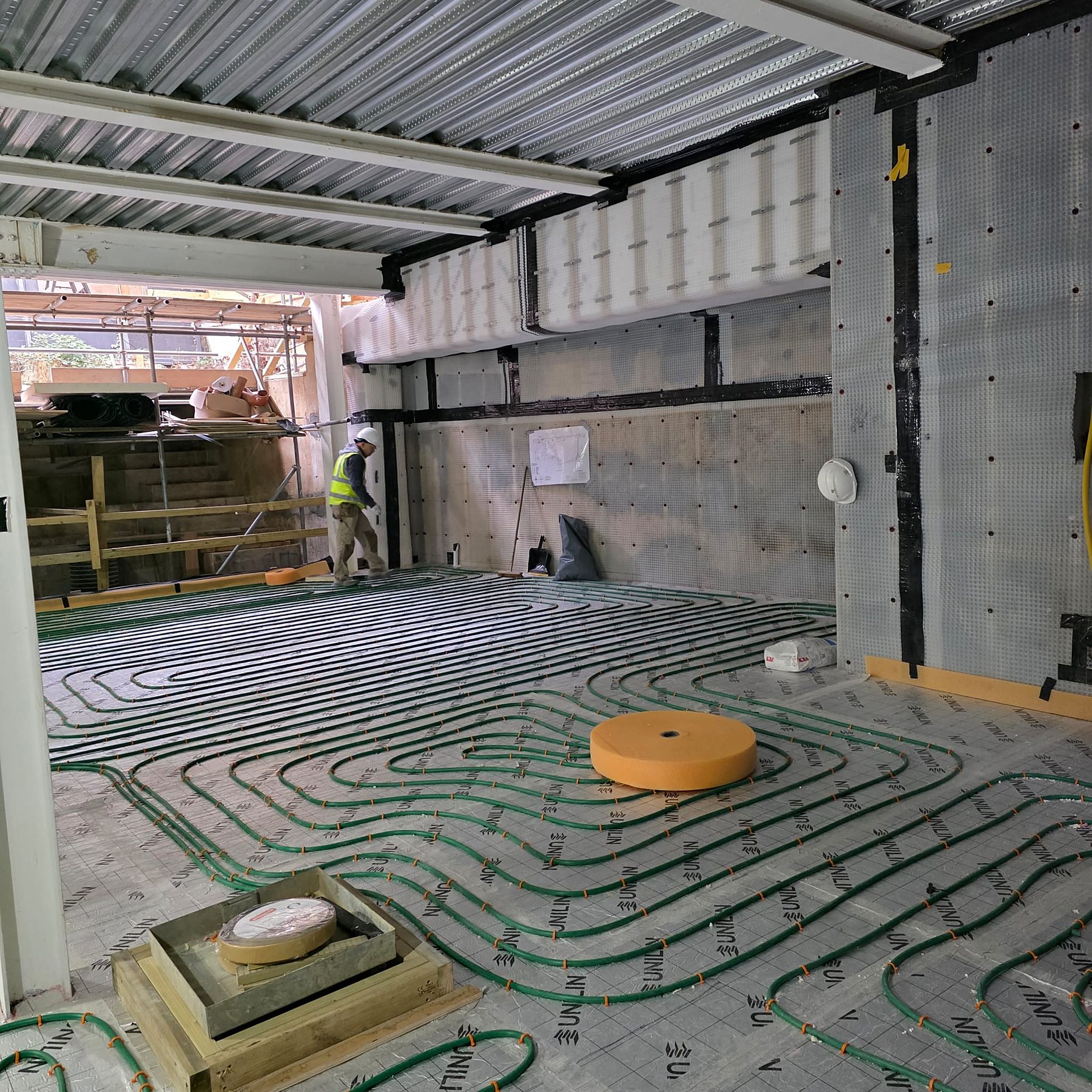
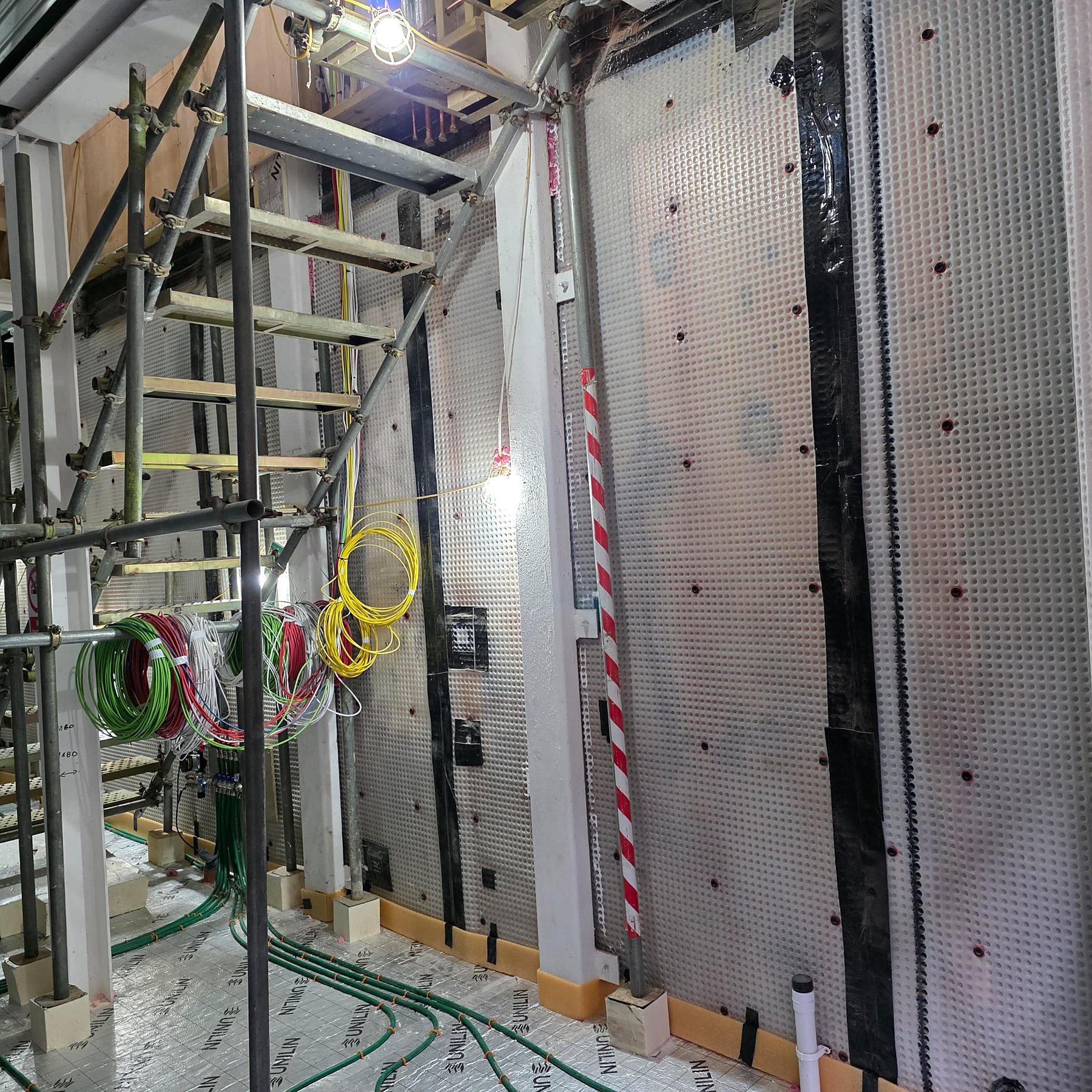
One example is our current project in Notting Hill, where a Type C system has been installed. Over almost two years, including underpinning, we worked through changing drawings with the architects as new uses and ideas were added:
- Type A, B and C systems completed: every system discussed in detail so all three work together.
- Inside: the cavity drain floor membrane is installed and the screed is being laid.
- Outside: the final stage protects the planters with a waterproof barrier, a self-adhesive membrane and a geotextile membrane.
Common tanking mistakes we put right
A lot of our work is putting right tanking that has failed. These are the mistakes we see most often:
- tanking applied over old, damp or salty plaster,
- coatings that are too thin, under 2 mm,
- no fillets in the corners, where the tanking cracks first,
- tanking alone where water presses in under pressure, with no drainage,
- shelves and fixings screwed straight through the tanking,
- salts washed with water instead of brushed off dry.
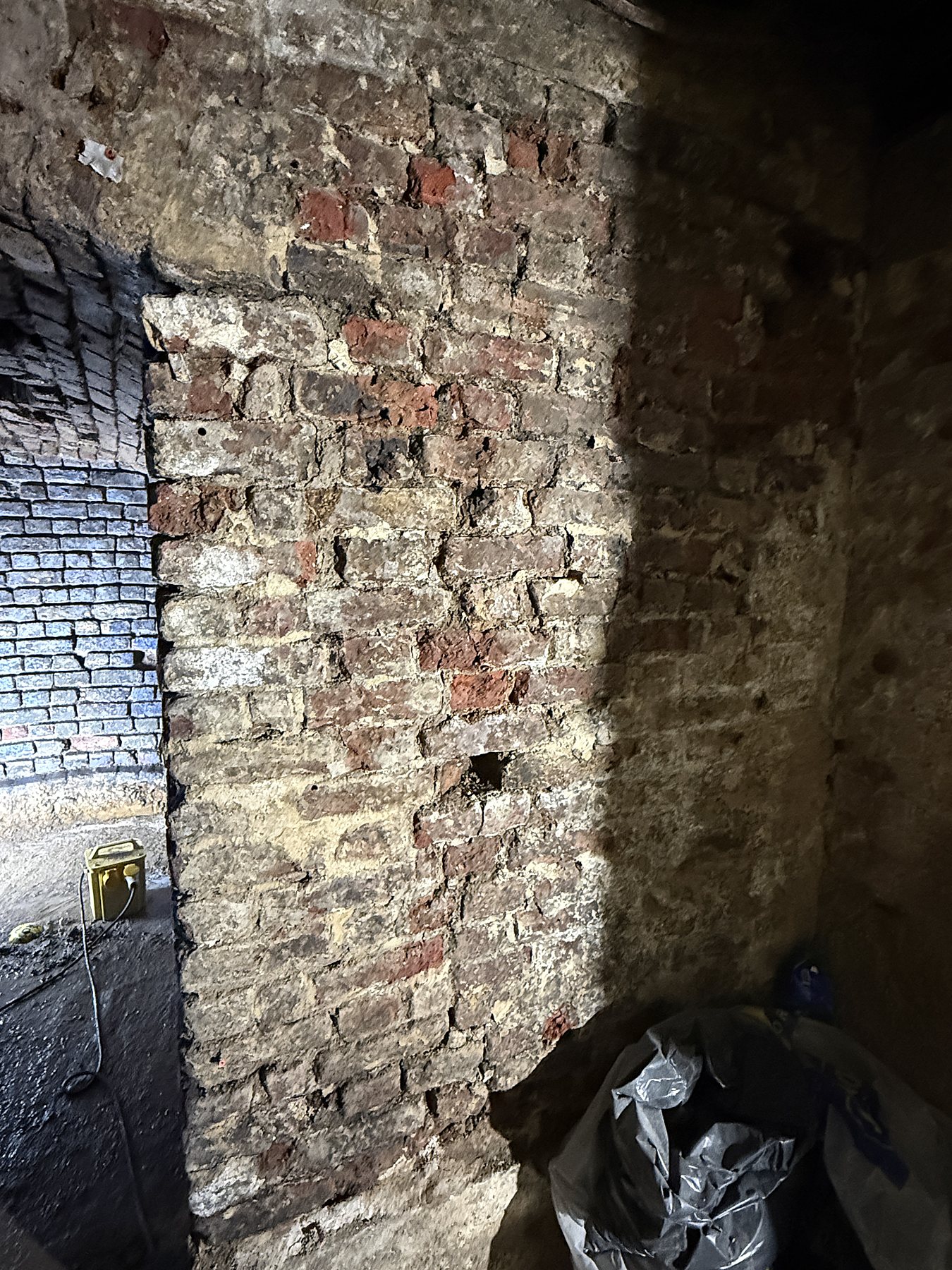
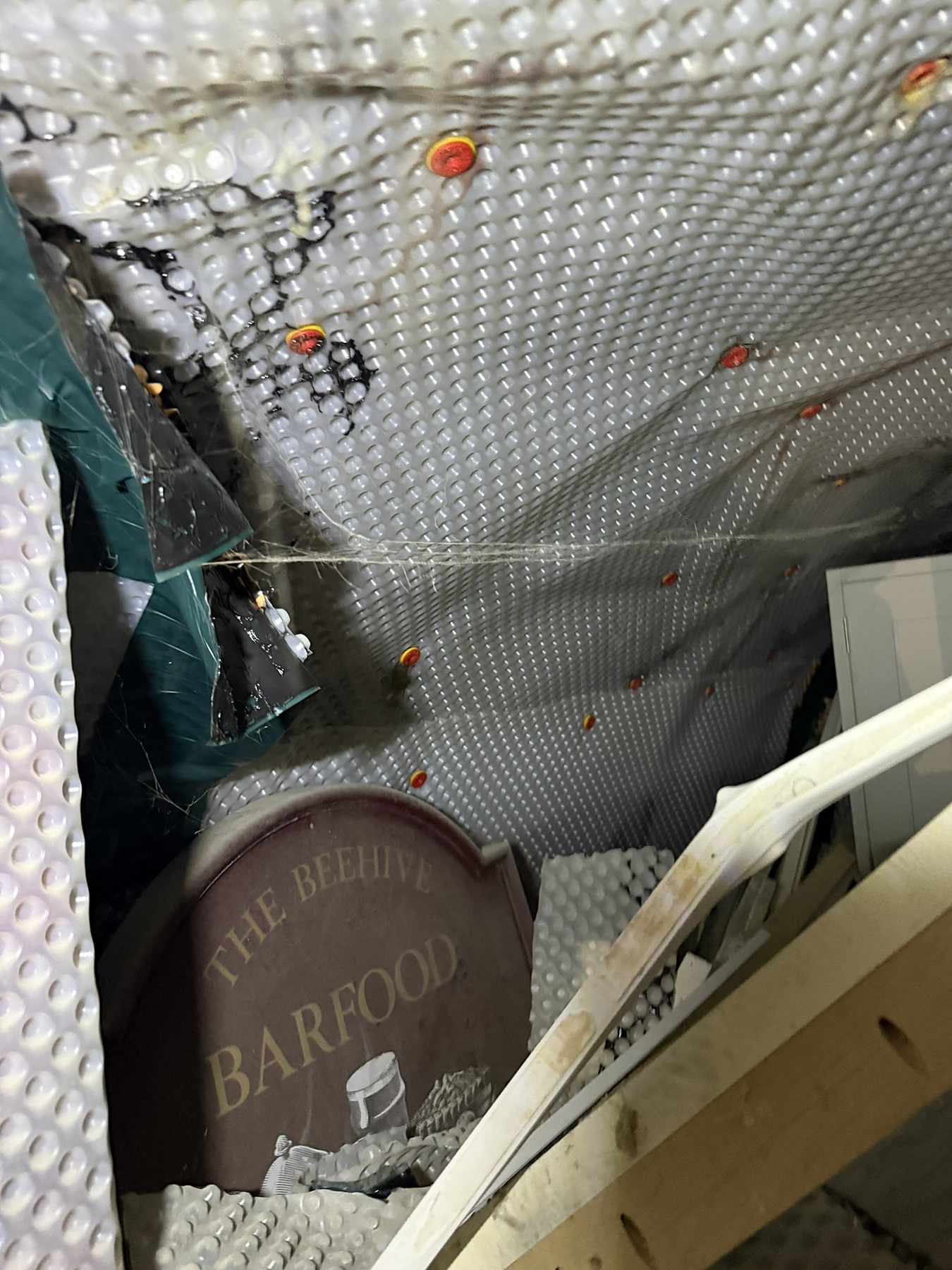
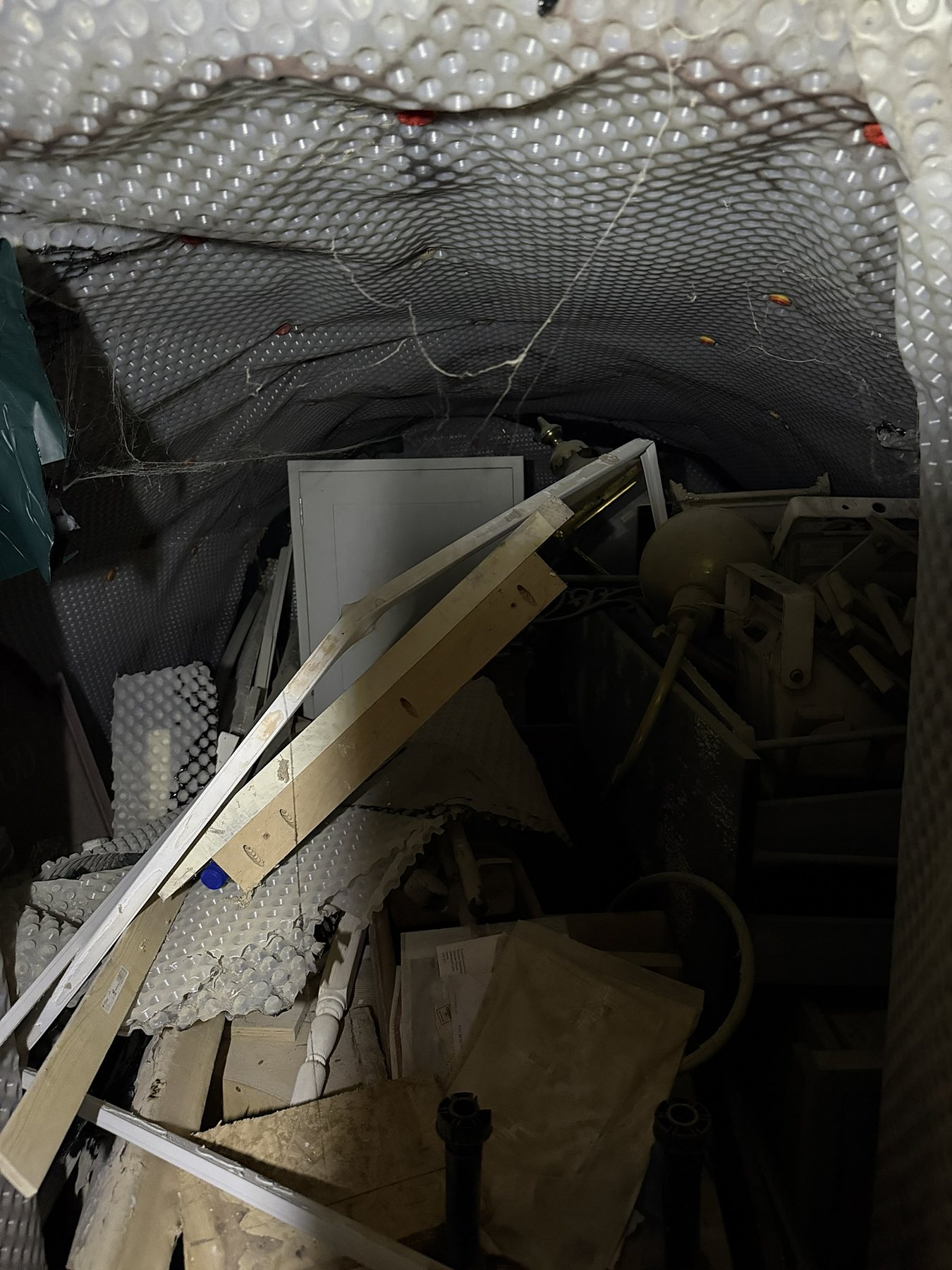
In the vault shown, failed tanking was put right with a cavity drain membrane.
Conversions
Tanking for basement conversions
If you are turning your basement into a bedroom, office, gym or cinema room, the waterproofing has to be planned together with the conversion: ceiling height, Building Regulations, insulation and ventilation. Together with our architects and structural engineers, we plan the whole project from the start. See basement conversion and waterproofing.
Cost
Basement tanking cost, and what to check before you sign
Every basement is different, so we price after the survey. Here is what affects the cost, and what to check before you sign.
How much does basement tanking cost?
The cost depends on:
- the area of the walls and floor,
- the condition of the walls and the preparation needed,
- the system: Type A, Type C or Type A + C,
- whether a sump pump and drainage are needed,
- the finish, such as render, boards, insulation and flooring,
- for a conversion, electrics, ventilation and heating too.
Simple tanking is the most affordable option; membrane systems with drainage and a sump pump cost more but give far higher protection for living spaces.
Before you sign: what to check
- Qualifications and an insured guaranteeA contractor with a CSSW-qualified waterproofing designer, who offers an insured guarantee on the system.
- Service accessDiscreet inspection and flushing ports for the drainage channels, and easy access to the sump and pumps.
- What the quote includesPreparation, salt treatment, DPC injection where needed and the finishing, not just the tanking itself.
Related services
Everything a dry basement needs
Tanking is often one part of a dry basement. These services work alongside it, and every installation is backed by our 10-year guarantee and a QANW Insurance Backed Guarantee.
Spray-Applied Basement Waterproofing
Tanking slurry sprayed to an even thickness.
Tanking Membrane
Type C cavity drain membranes for water under pressure.
Sump Pump Systems & Services
Twin pumps, alarms and battery back-up.
Crystalline DPC Injections
A new damp-proof course before tanking.
Basement Conversion & Waterproofing
From a damp cellar to living space.
Basement Floor & XPS Insulation
Warm, dry floors for living spaces.
Approved installer
Approved systems and product warranties
We are an approved installer for Wykamol, Delta and Biokil. The waterproofing materials carry a 10-year manufacturer’s product warranty, on top of our own 10-year workmanship guarantee and a QANW Insurance Backed Guarantee.

Wykamol
Membranes, tanking slurries and sump pumps.

Delta
Studded membranes, channels and pumps.

Biokil
Damp proofing and mould treatments.
Questions
Basement tanking: FAQs
How long does basement tanking take?
It depends on the size and condition of the basement. We give you a clear timescale after the survey.
Will tanking stop water under pressure?
Tanking with a rigid crystalline slurry resists moderate water pressure. Where water presses in strongly or appears on the floor, we recommend a Type C membrane or a combined Type A + C system.
Do I need a sump pump?
Not with tanking alone. With a Type C or Type A + C system, the water collected behind the membrane needs a sump and pump to carry it outside.
Can I drill into a tanked wall?
Never drill straight through the tanking or membrane. Fix shelves into the render or into a frame or battens in front of it. If you are not sure, ask us.
Why not just use damp-proof paint?
Paint only hides the problem for a season or two. As long as water keeps coming in from the ground, the damp and salts will come back.
How much does basement tanking cost?
We price after the survey. The cost depends on the area, the condition of the walls, the system (Type A, C or A + C), any sump pump and drainage, and the finish you want.
Is it covered by a guarantee?
Yes: a 10-year guarantee on workmanship, backed by a QANW Insurance Backed Guarantee. The materials also carry a 10-year manufacturer’s product warranty.
How do I book a basement survey in Berkhamsted?
Book a survey online or call our specialists on 020 8432 3350 or 07720 752231. Surveys more than 10 miles from our base are charged according to our price list.
Free consultation
Book a basement survey in Berkhamsted
If your basement is damp, smells musty or lets in water, call us for a free consultation or survey. Surveys more than 10 miles from our base are charged according to our price list. Call our specialists on 020 8432 3350 or 07720 752231.
07720 752231
Tell us about your basement
Fields marked * are required. Once your details arrive, we will contact you to arrange the survey.
Local context
Damp basements around Berkhamsted: what we check first
Basements around Berkhamsted range from old brick cellars and vaults under period homes to newer conversions, and each one takes on water in its own way. Before recommending tanking, we look at the basement itself rather than general assumptions about an area.
On site we check moisture deep in the masonry, salts and joints, any water on the floor or under pressure, rising damp, drainage and ground levels outside, and how you want to use the space. Those findings decide whether the answer is Type A tanking, a Type C membrane or both.
A dry, usable basement for good
We are proud of our 5-star Google rating. Book a survey in our Booking Survey section, or call our specialists on 020 8432 3350 or 07720 752231.
Qualified Specialists & a 10-Year Guarantee
Our family-run team holds CSSW qualifications, with a minimum of 10 years’ experience each. We back our work in Berkhamsted with a 10-year guarantee covering workmanship, plus a QANW Insurance Backed Guarantee that transfers to the new owner if you sell your property. Based in Croydon, we work on domestic and commercial properties across London and the South East.

See What Our Clients Say
We are proud of our 5-star Google rating. Book a survey in our Booking Survey section, or call our specialists on 020 8432 3350 or 07720 752231.
Areas we cover
Basement tanking in Berkhamsted and nearby
Based in Croydon, Crystal Damp Proofing & Basements Ltd carries out basement tanking in Berkhamsted and nearby areas, including Hemel Hempstead, Chesham, Tring and Bennetts End, and across London and the South East, from Kensington, Chelsea and Notting Hill to Wimbledon, Bromley and Redhill. Choose an area below to see the local page.